Notice the busy areas
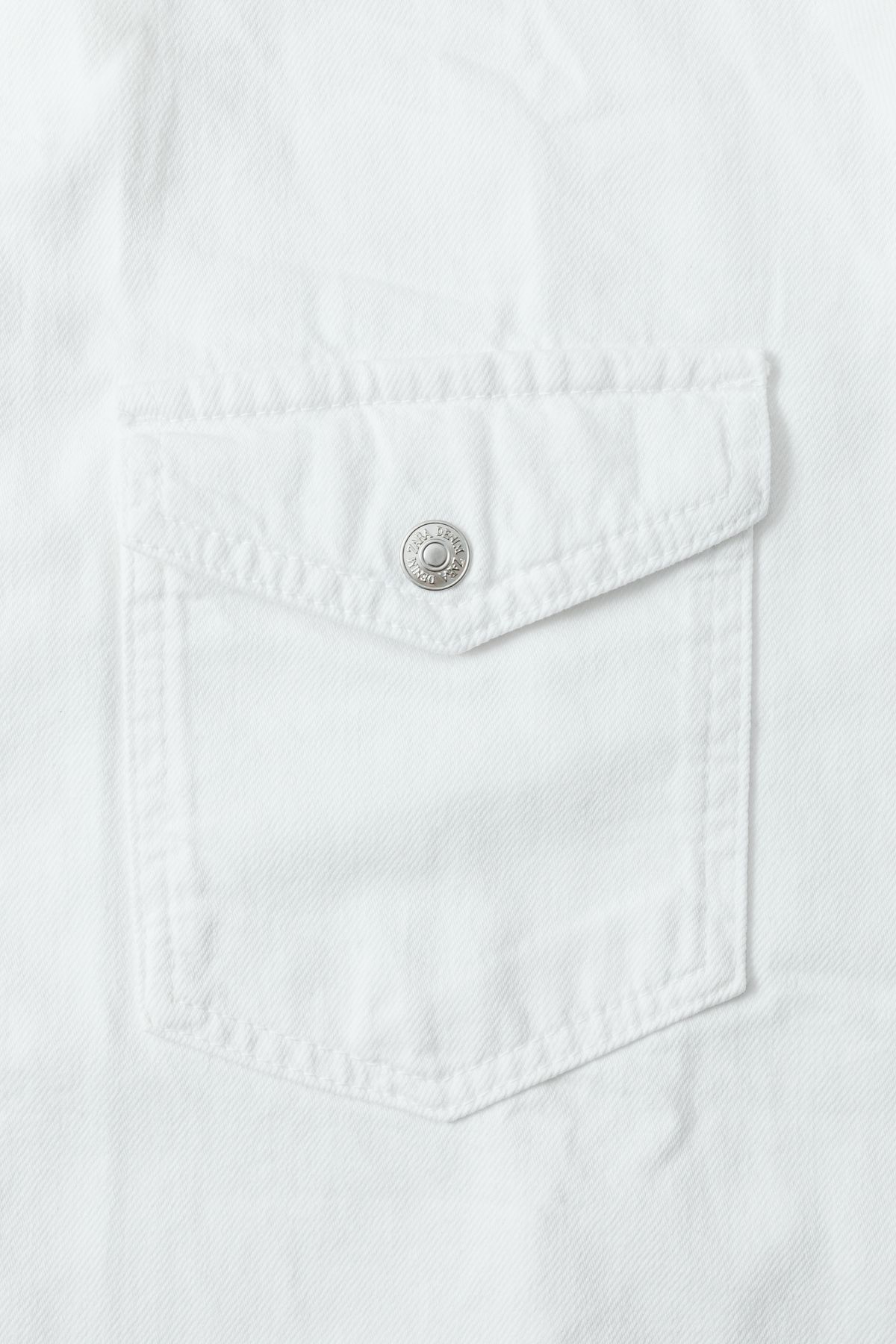
Collars, cuffs and underarms usually deserve a closer look than the broad back panel. Inspect them before a shirt enters the laundry basket so a mark does not become a surprise when you need it again. Empty pockets and remove detachable collar stays if the shirt has them and its instructions call for it.
Read the label even when the shirt feels like straightforward cotton. Non-iron finishes, contrasting trims and blended fibres can affect care. A white shirt and a dark shirt from the same shop need not belong in the same wash.
Make the routine manageable
Group shirts with compatible colours and care needs. Use the recommended detergent dose and leave enough room for the load to move. A tightly packed drum may seem efficient, but it makes careful handling and an even result harder to manage.
After the cycle, take shirts out rather than leaving them compressed in a damp heap. Follow the drying instructions, gently arranging collars, plackets and sleeves. If ironing is permitted, concentrate on the finish you need: a shirt under a jumper may not require the same effort as one worn on its own at an event.
Return a ready shirt to the rail
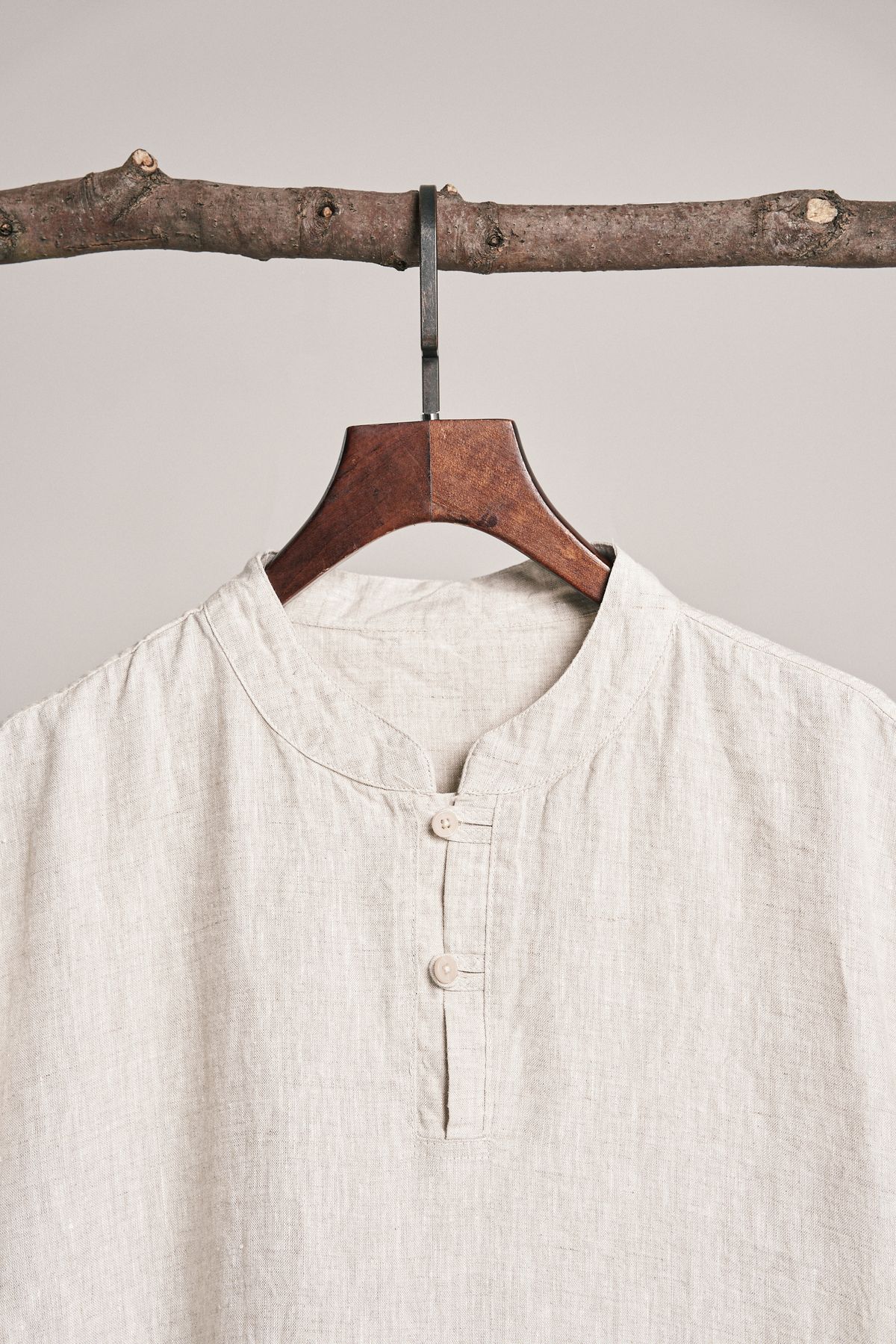
Check that cuffs and the collar are fully dry before storage. Fasten a button or two if that helps the shirt sit neatly on its hanger, without pulling the fabric tight. Look for a loose button while the shirt is in your hands.
Put freshly cleaned shirts behind the ones already waiting to be worn if you tend to reach for the same item repeatedly. The point is not to enforce equal wear, but to notice whether several shirts are genuinely useful or simply occupying the rail. A workable rotation should make getting dressed easier, not create a separate housekeeping project.