
Wardrobe planning
A wardrobe reset you can finish in an afternoon
An afternoon is enough to make getting dressed easier, provided the job stays smaller than the entire contents of your bedroom.
The wardrobe journal
Make space for the clothes you wear, find the gaps that matter and keep getting dressed straightforward.
Wardrobe planning
An afternoon is enough to make getting dressed easier, provided the job stays smaller than the entire contents of your bedroom.

Wardrobe planning
A few minutes with your diary can remove the most awkward clothing decisions from the week without prescribing every outfit.

Wardrobe planning
A small wardrobe needs clear access more than elaborate storage. Make the clothes you use easiest to see and remove.

Wardrobe planning
Seasonal storage works best as a gradual exchange. Keep the clothes useful in mixed weather while moving genuinely inactive pieces out of the way.
Wardrobe planning
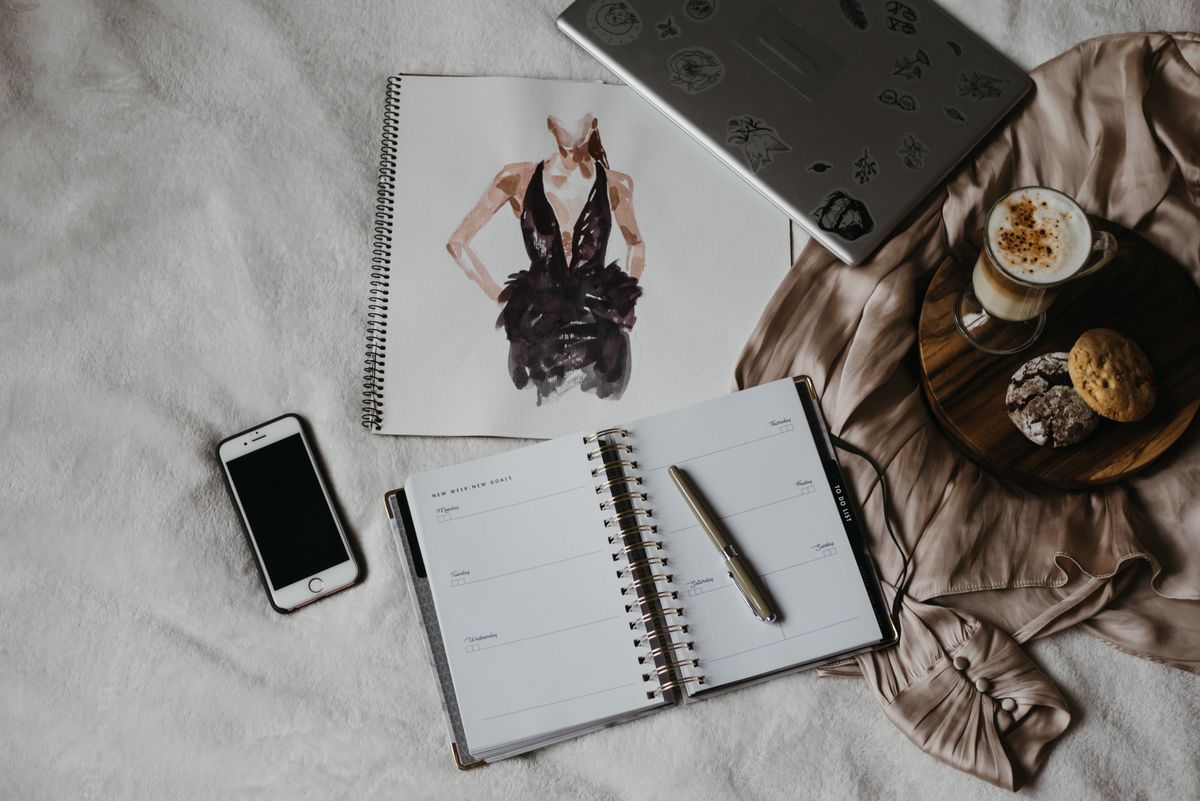
Useful outfit notes explain why a combination worked. A quick photograph and one sentence can be enough.

Wardrobe planning
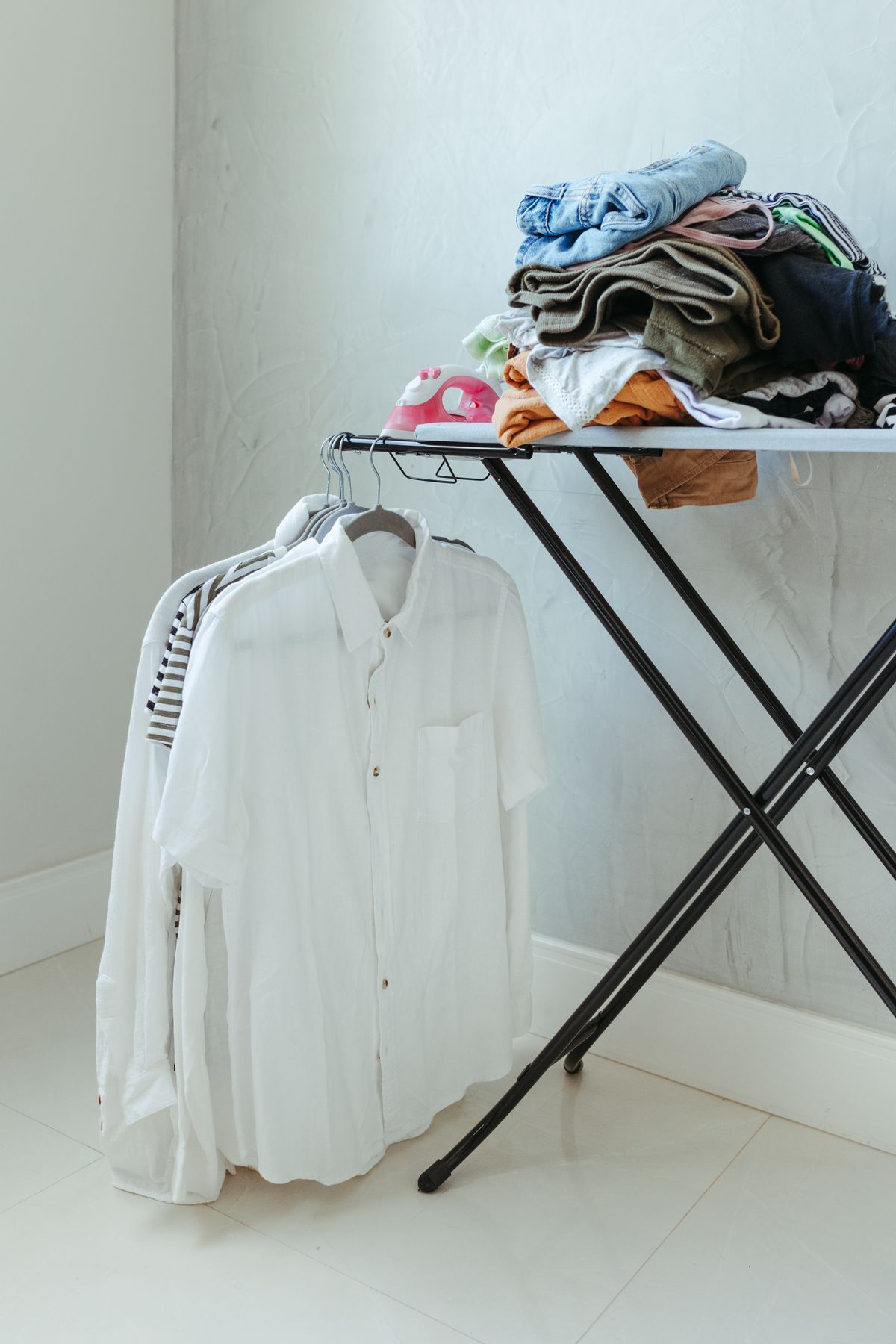
A hanger should support the garment without stretching it, slipping off or making the rail unnecessarily crowded.
Wardrobe planning
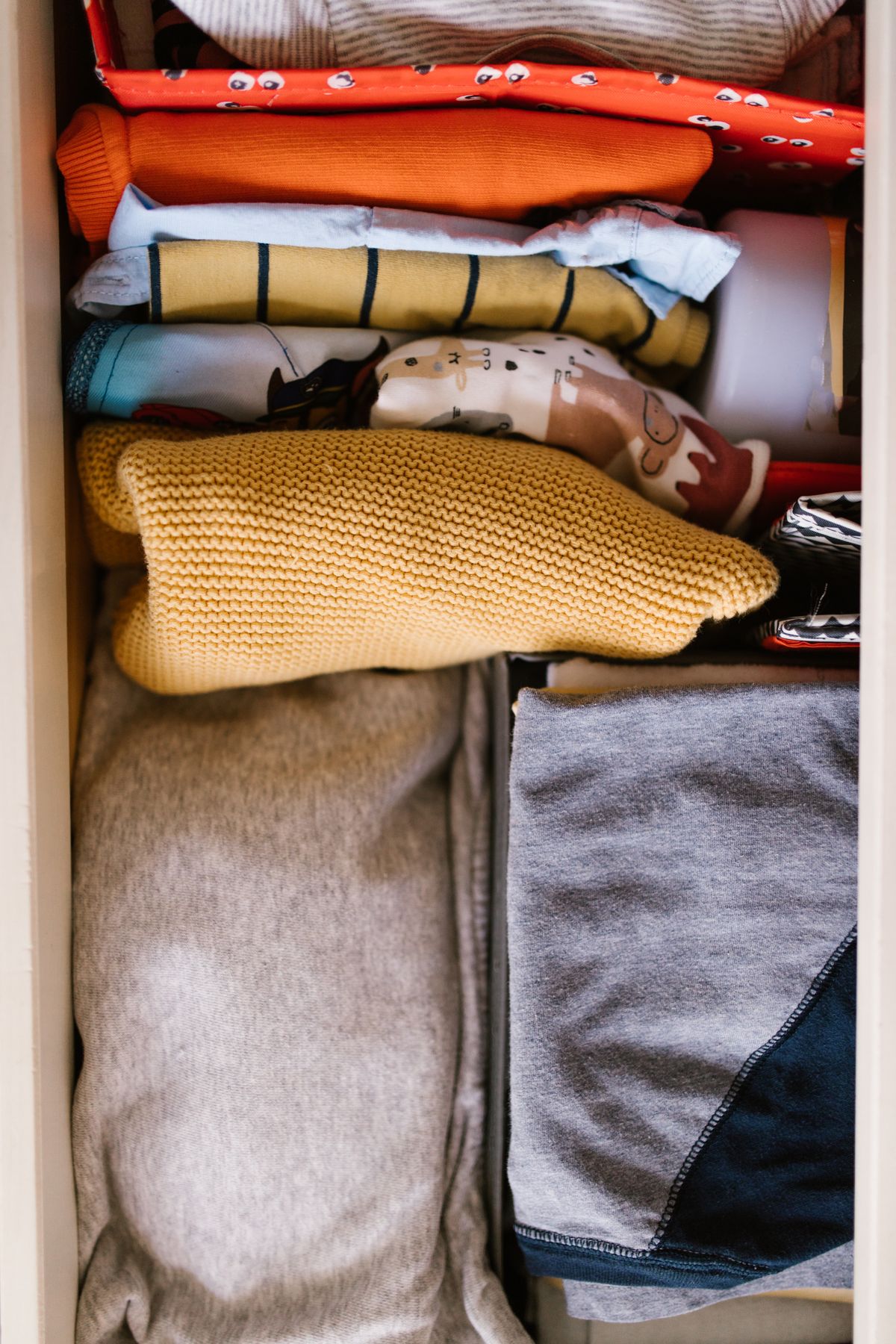
Deciding what to fold is less about strict wardrobe rules than the way each garment holds its shape and responds to creasing.
Wardrobe planning
Before buying drawer organisers, find out which clothes become hard to see, hard to remove or difficult to put back.
Wardrobe planning
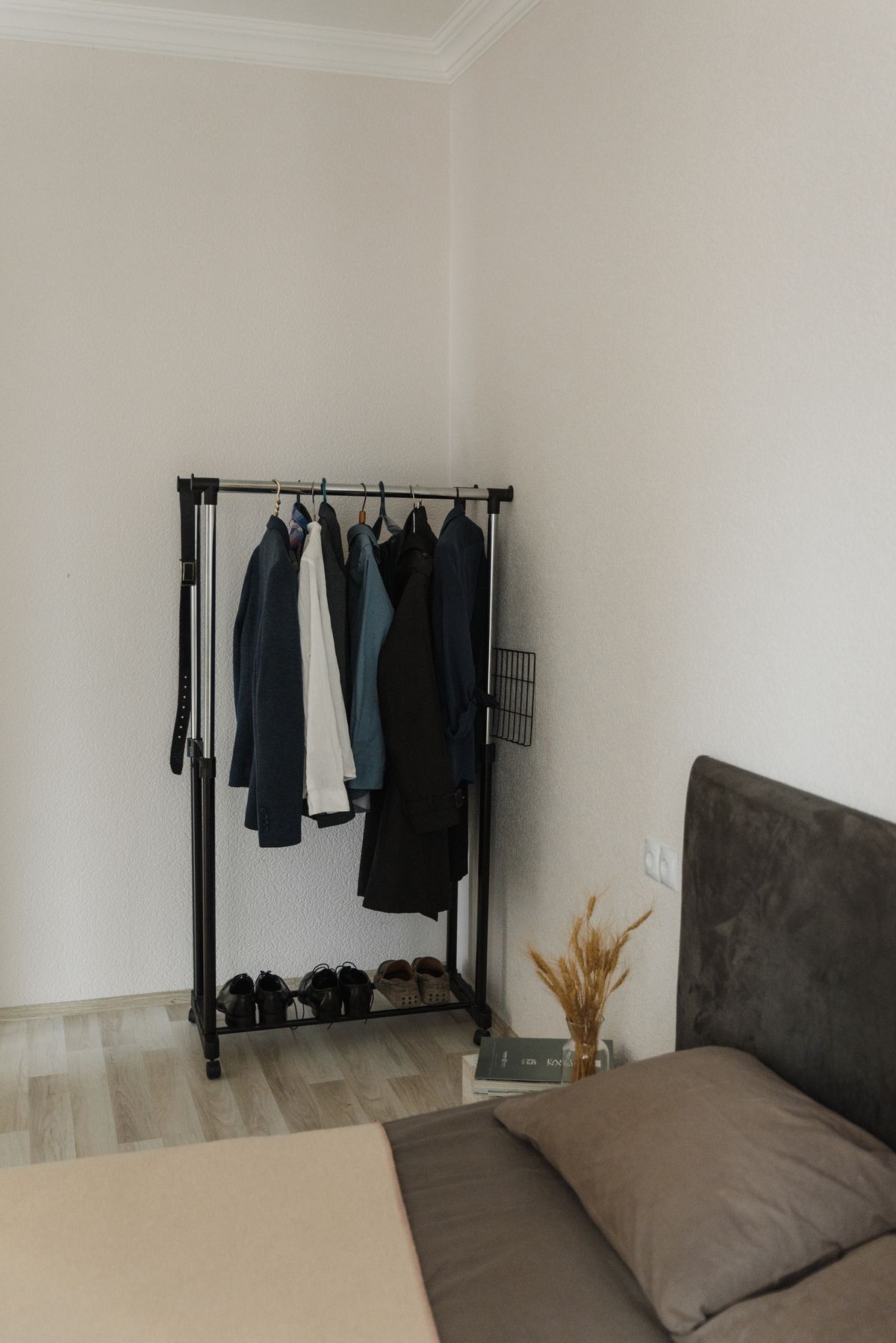
An open rail can make favourite clothes easier to reach, but it needs a clear purpose and enough breathing room to stay useful.
Wardrobe planning
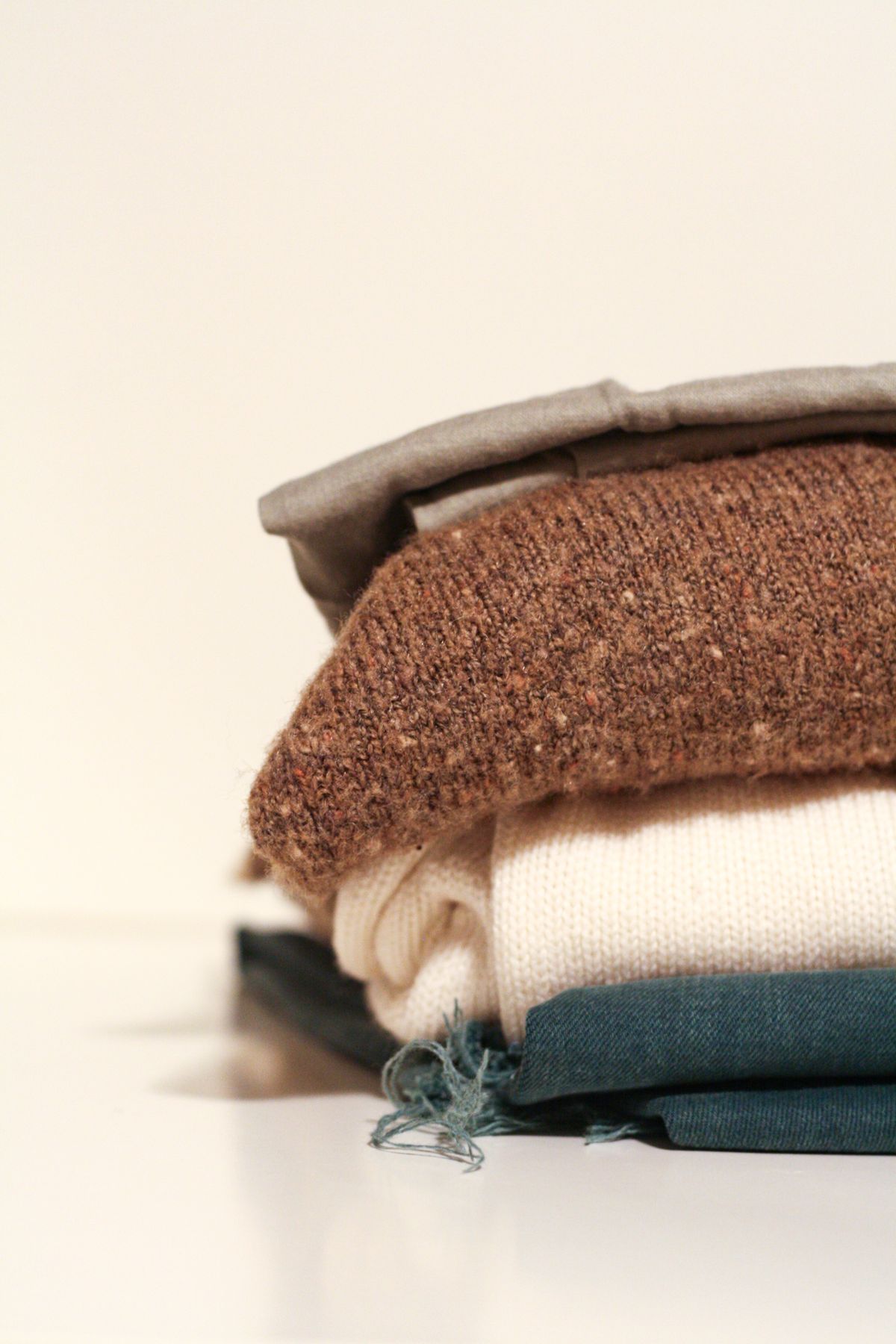
Knitwear is easier to wear regularly when you can see the options without lifting a heavy, unstable tower of jumpers.
Wardrobe planning
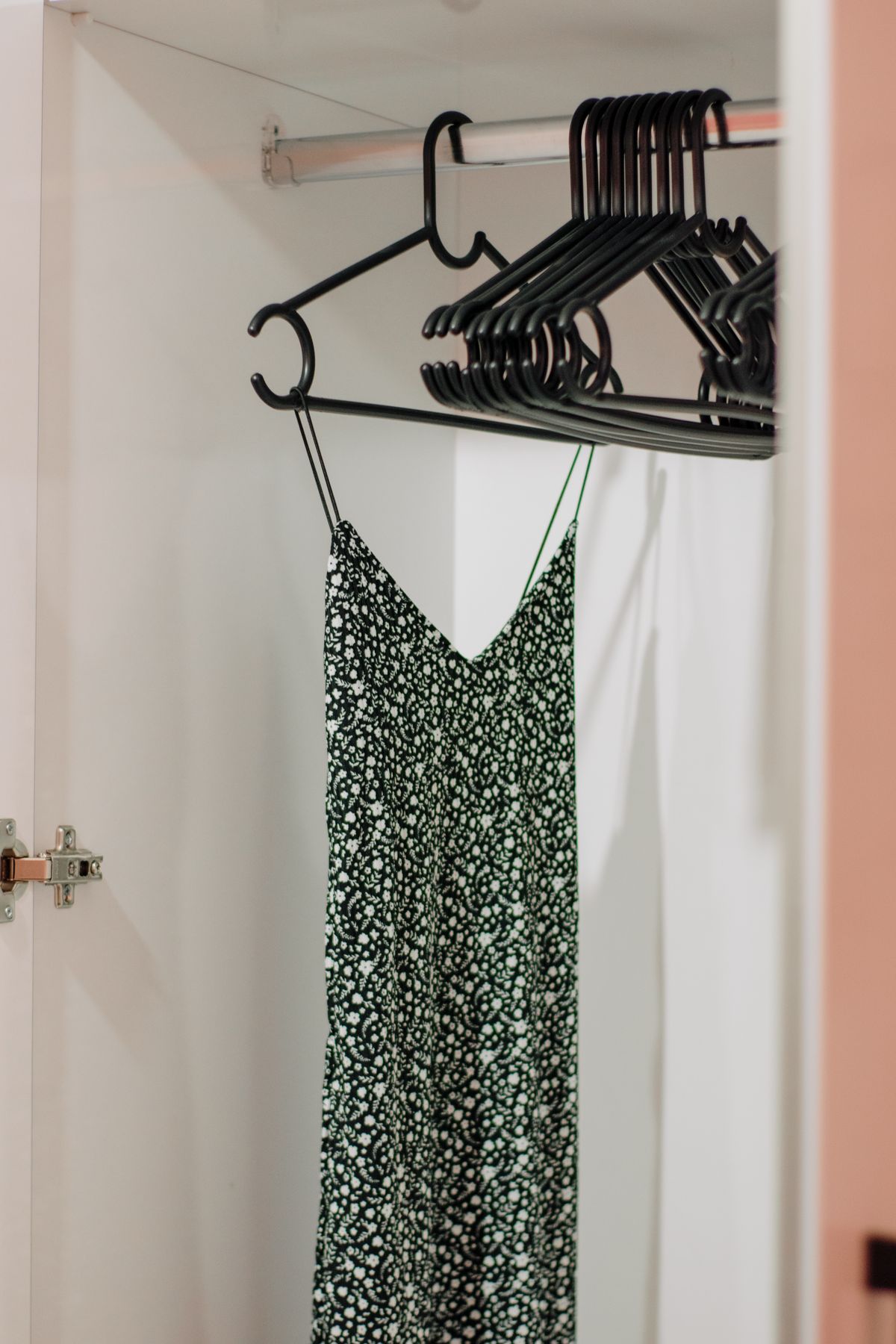
Occasion clothes can deserve a place in a wardrobe even when they are rarely worn. The aim is to keep them ready without letting them obstruct everyday dressing.
Wardrobe planning
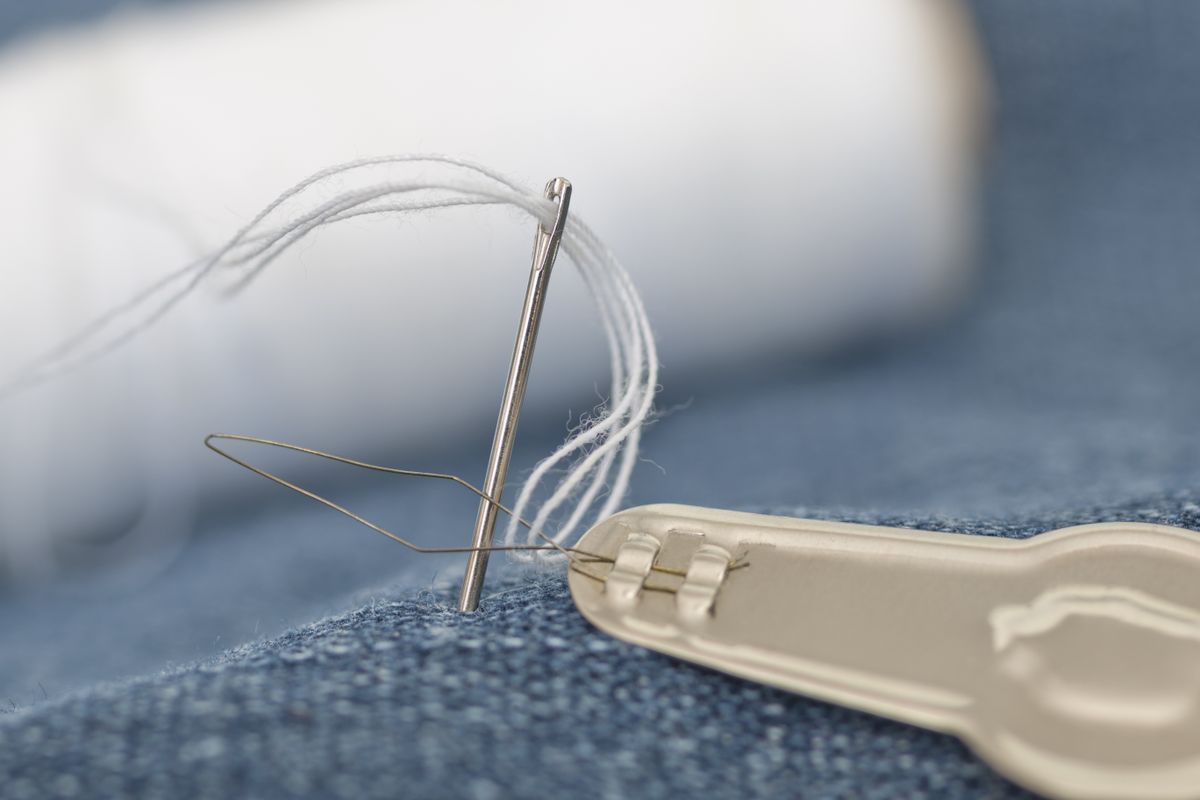
A repair pile becomes manageable when each garment has a named problem and a realistic next step.

Wardrobe planning
Clothes that no longer fit need a calm decision, not a judgement about your body or the money already spent.

Wardrobe planning
A thoughtful donation starts with the condition of the clothes and the needs of the organisation receiving them.

Wardrobe planning
A genuine wardrobe gap is a recurring practical obstacle. It is easier to recognise when you describe the job before imagining the purchase.

Wardrobe planning
A capsule wardrobe can simply be a useful group of clothes that work together. It does not need a fixed count or a fresh shopping list.

Wardrobe planning
A shared work-and-home wardrobe depends on comfortable pieces that suit both settings, with a few changes where the day asks for them.
Wardrobe planning
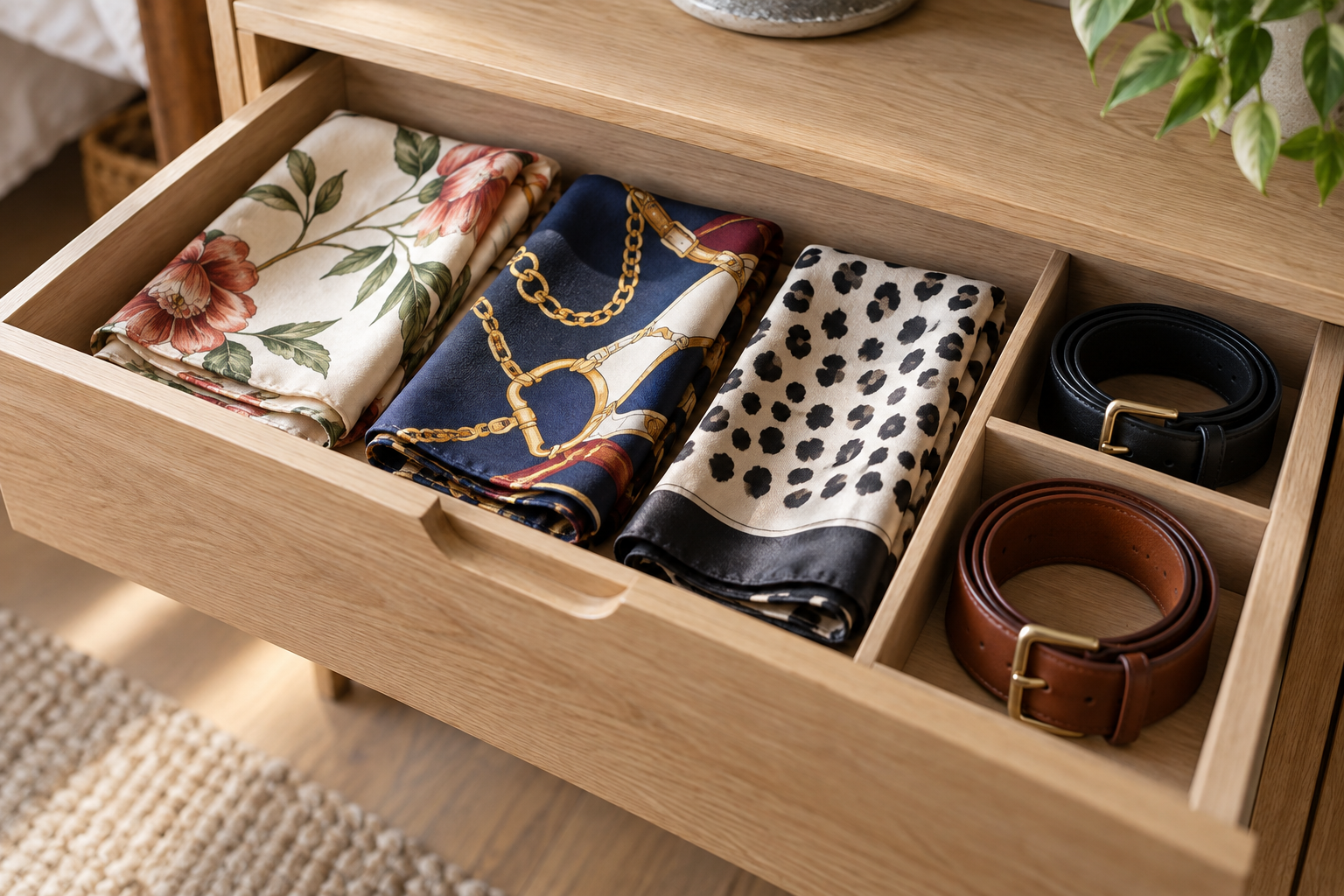
Scarves and belts are most useful when you can find the right one without emptying a drawer or untangling a knot of buckles.
Wardrobe planning
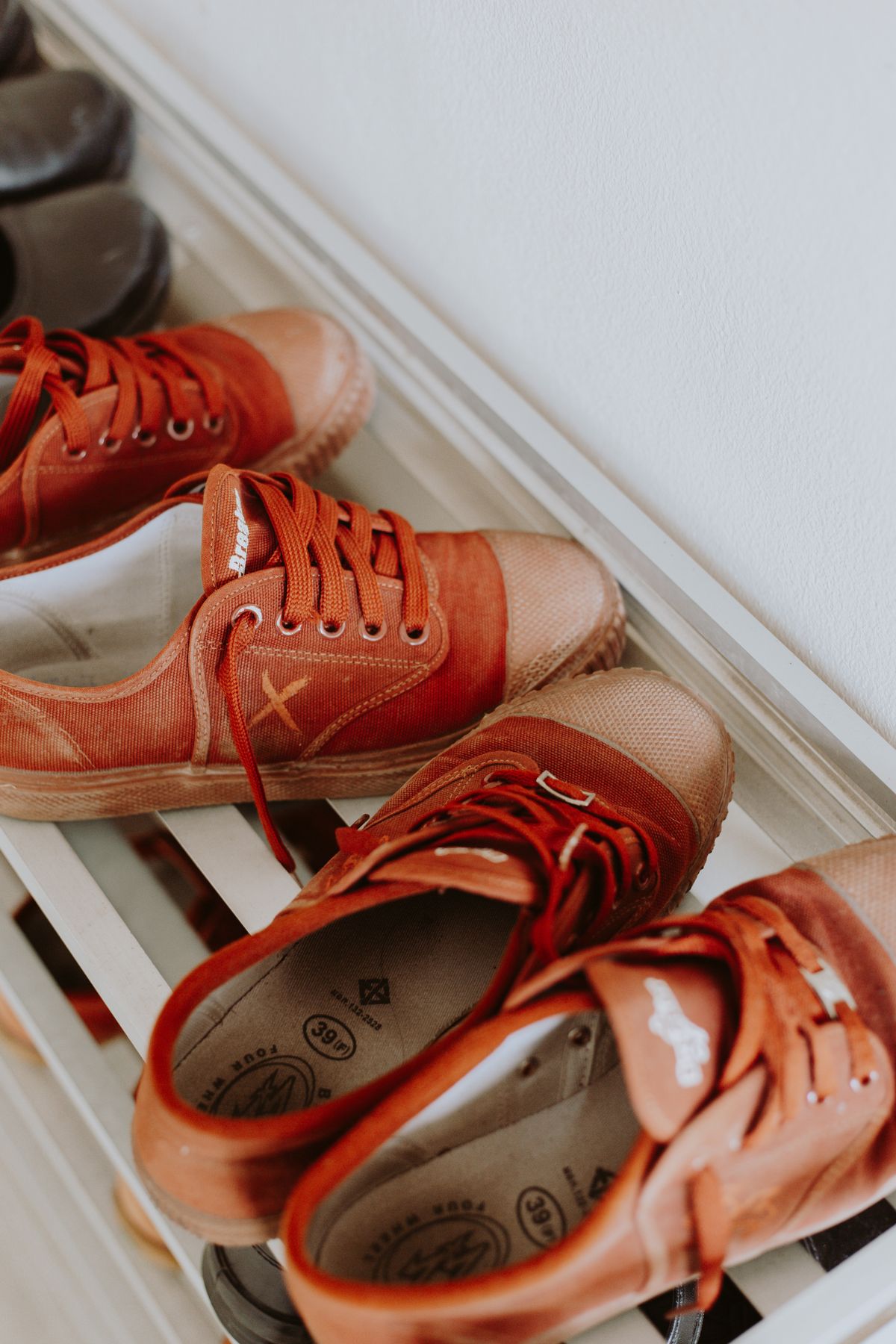
A useful shoe area keeps everyday pairs together, gives damp footwear time to dry and leaves the route through the room clear.

Wardrobe planning
A laundry routine should return the clothes you need to the wardrobe reliably, with room for drying and a little attention to garment care.
Wardrobe planning
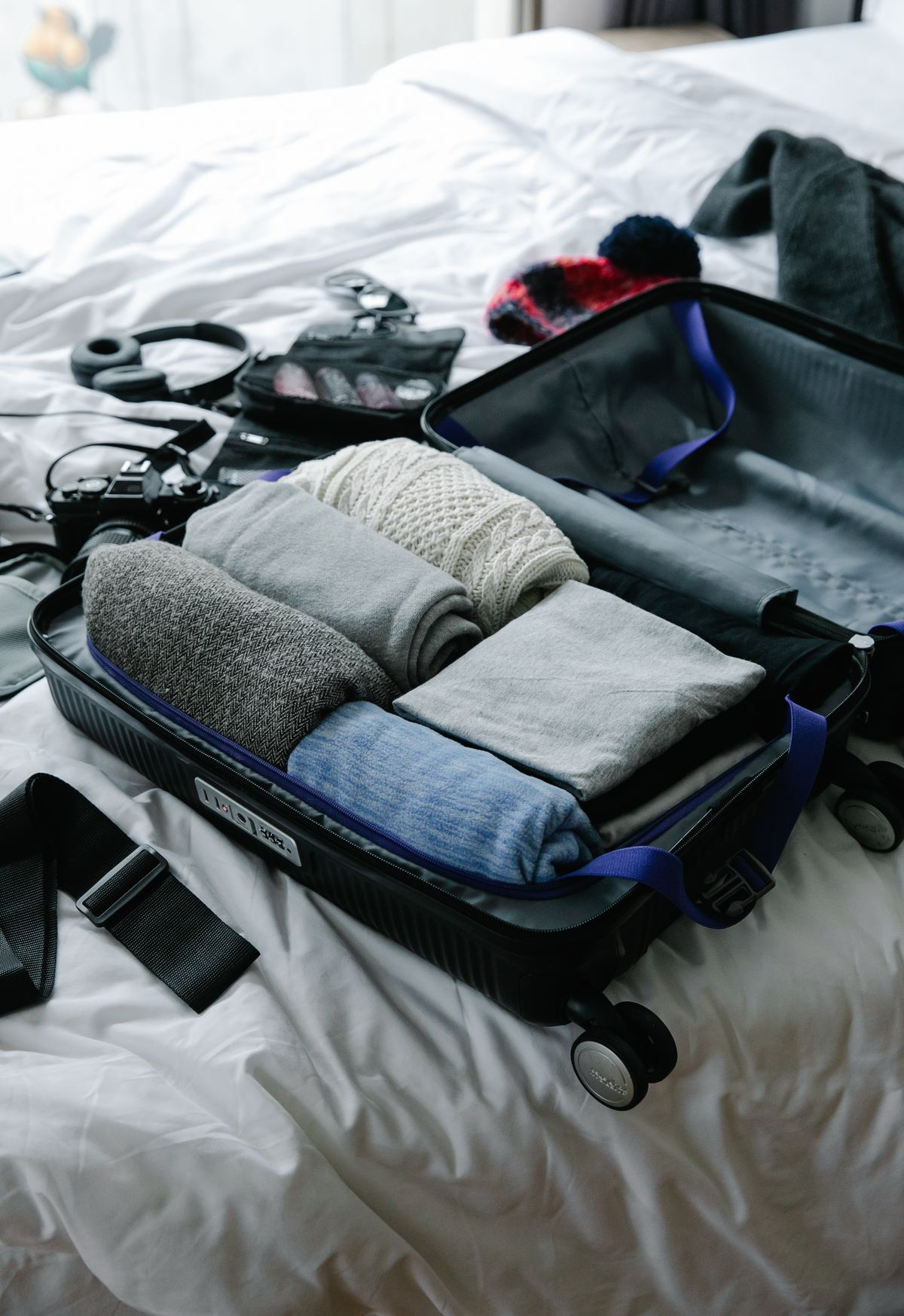
Trying travel outfits at home helps you discover awkward combinations before they take up space in a suitcase.

Wardrobe planning
An underused garment deserves a short, specific experiment before you decide it has no place in your wardrobe.

Wardrobe planning
Planning clothing purchases over time starts with noticing wear, weather and actual gaps, rather than predicting every outfit you might want.
Wardrobe planning
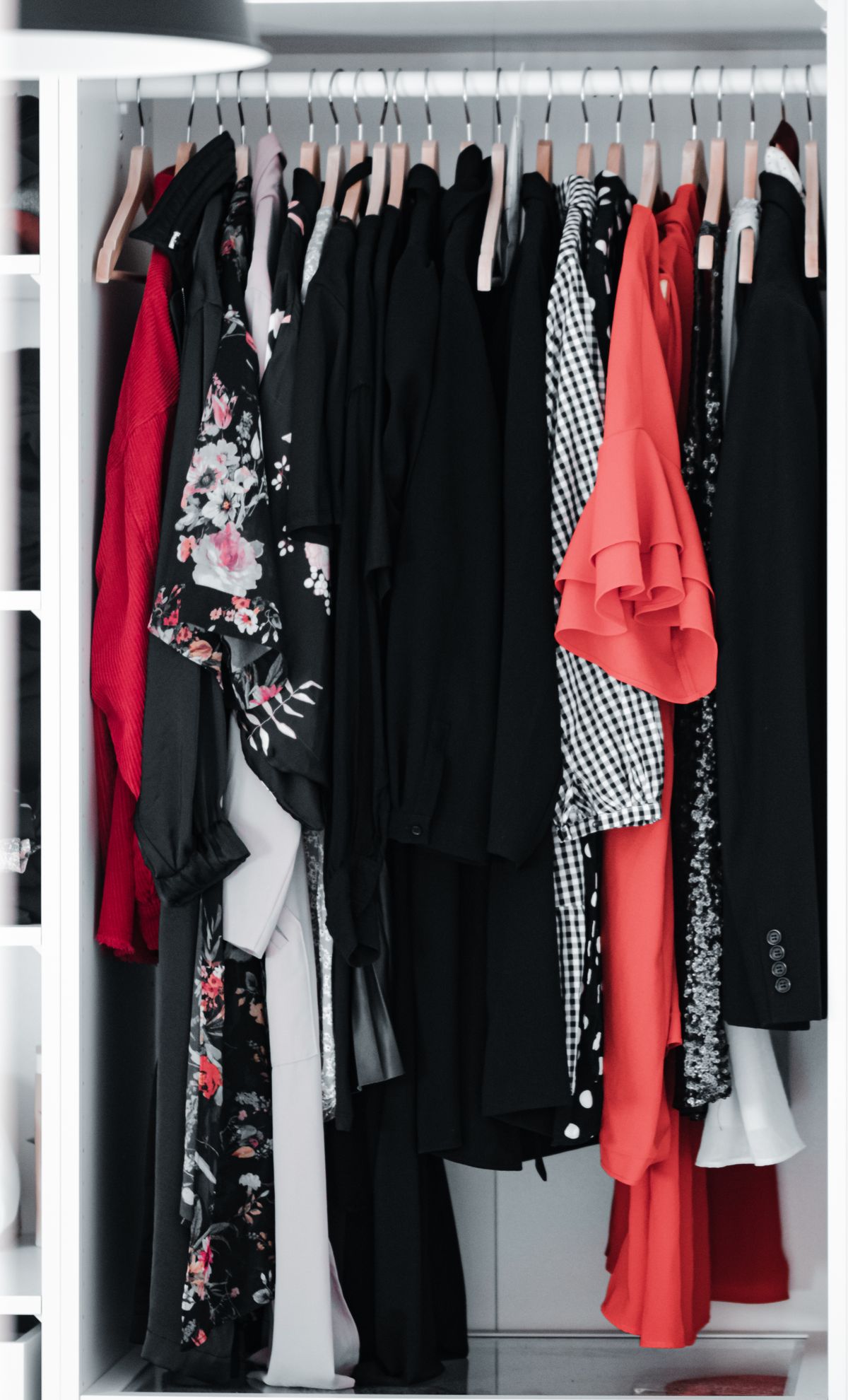
A shared wardrobe works more smoothly when each person can reach their clothes and understands where the shared boundaries are.