Measure the usable space
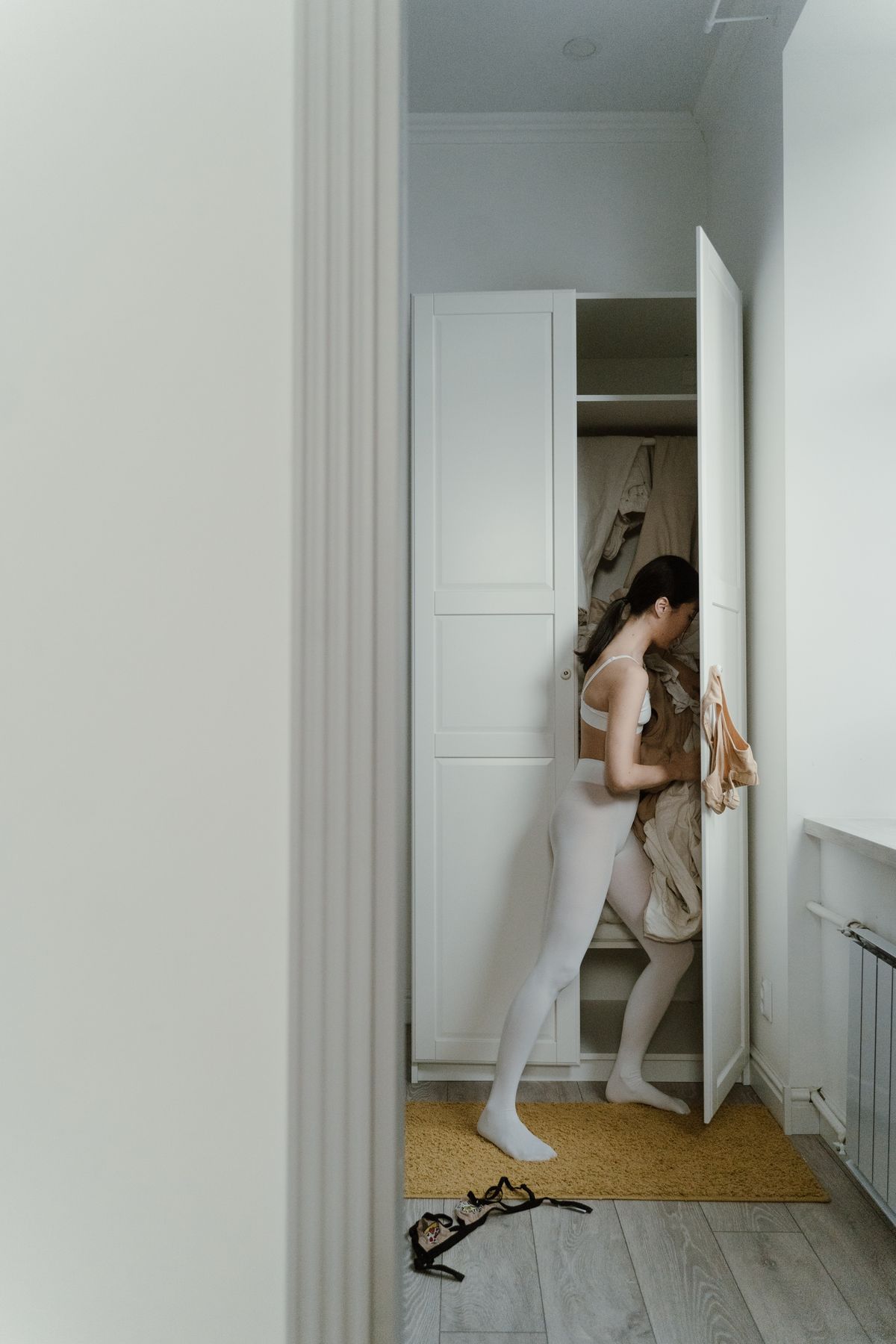
Look inside with the doors open. A low shelf may block long garments; hinges can make the corner of a drawer awkward; a deep shelf may hide a second row of clothes. Measure those actual spaces before considering boxes or extra rails. Product dimensions alone will not tell you whether you can comfortably reach the contents.
Move unrelated items elsewhere if there is a sensible home for them. Bedding, spare cables and empty packaging often occupy the easiest shelf while everyday tops are squeezed into a corner. Keep the wardrobe's most accessible area for the things involved in getting dressed.
Match the position to the garment
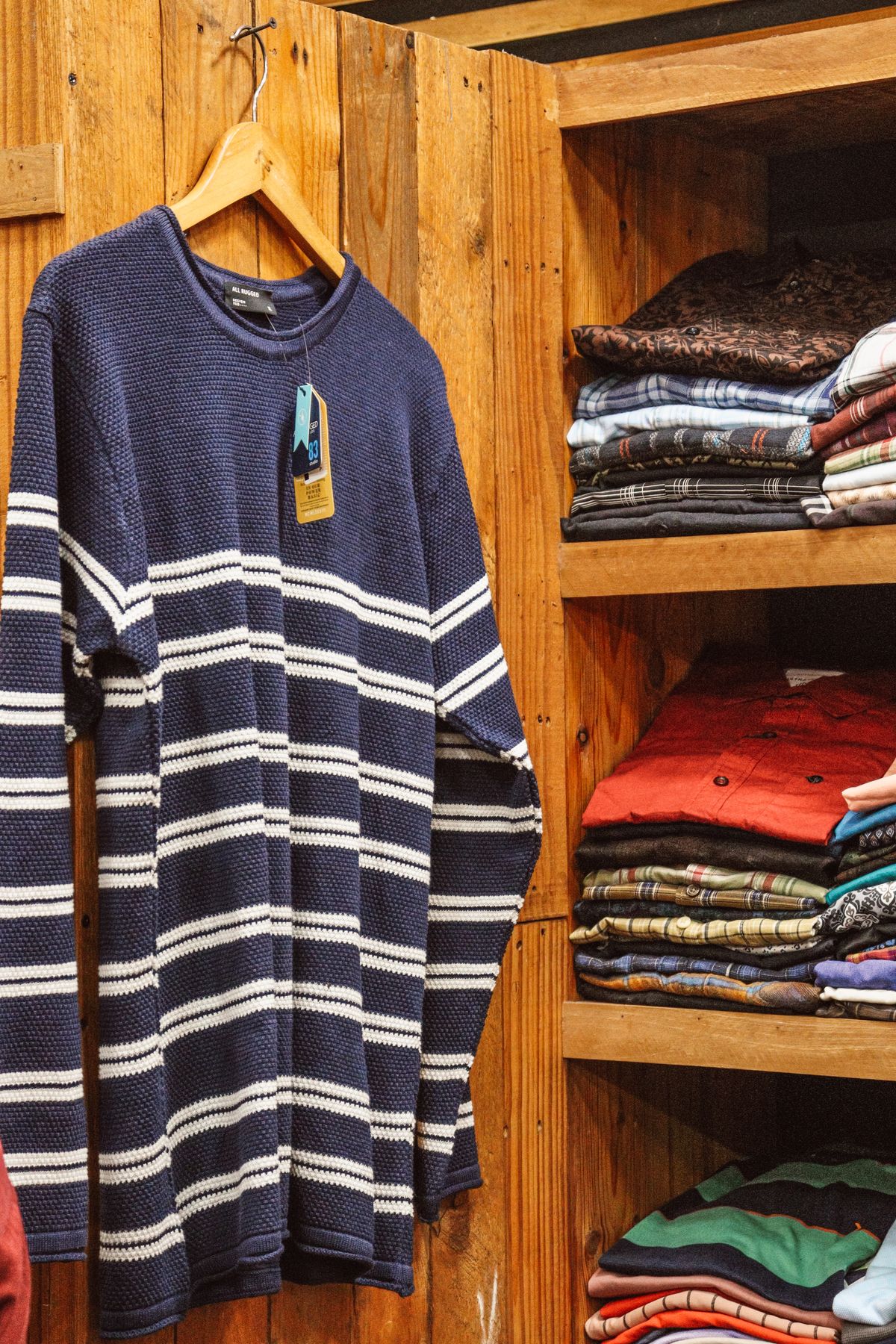
Hang pieces that benefit from hanging and fold those that are better supported flat. Arrange the rail so you can slide a hanger sideways without lifting several others. On shelves, use low stacks that stay upright when you remove the middle item. Put the heaviest stack at a height where it is easy to handle.
A shallow box can make a deep shelf useful for small accessories, but try an existing container first. Leave enough clearance above it to see inside. A tightly fitted organiser that must be removed with both hands can make a small space more troublesome.
Make one place for clothes in use
Clothes worn briefly but not ready for washing often create the overflow. Give them a limited, visible place outside the clean folded stacks, such as a couple of hooks or the end of a rail. Air and assess them before returning them to storage.
Review the arrangement after an ordinary week. The repeatedly abandoned item tells you where access is poor. Move a shelf or change a stack before assuming you need a bigger wardrobe.