
Everyday outfits
Making wide-leg trousers work for an ordinary day
The useful question is not whether wide-leg trousers are flattering. It is whether the pair works with your shoes, your layers and the places you need to go.
The full journal
Search a garment, a plan or a wardrobe question.
132 articles
No articles match that search. Try a shorter phrase or choose all categories.
Everyday outfits
The useful question is not whether wide-leg trousers are flattering. It is whether the pair works with your shoes, your layers and the places you need to go.
Everyday outfits
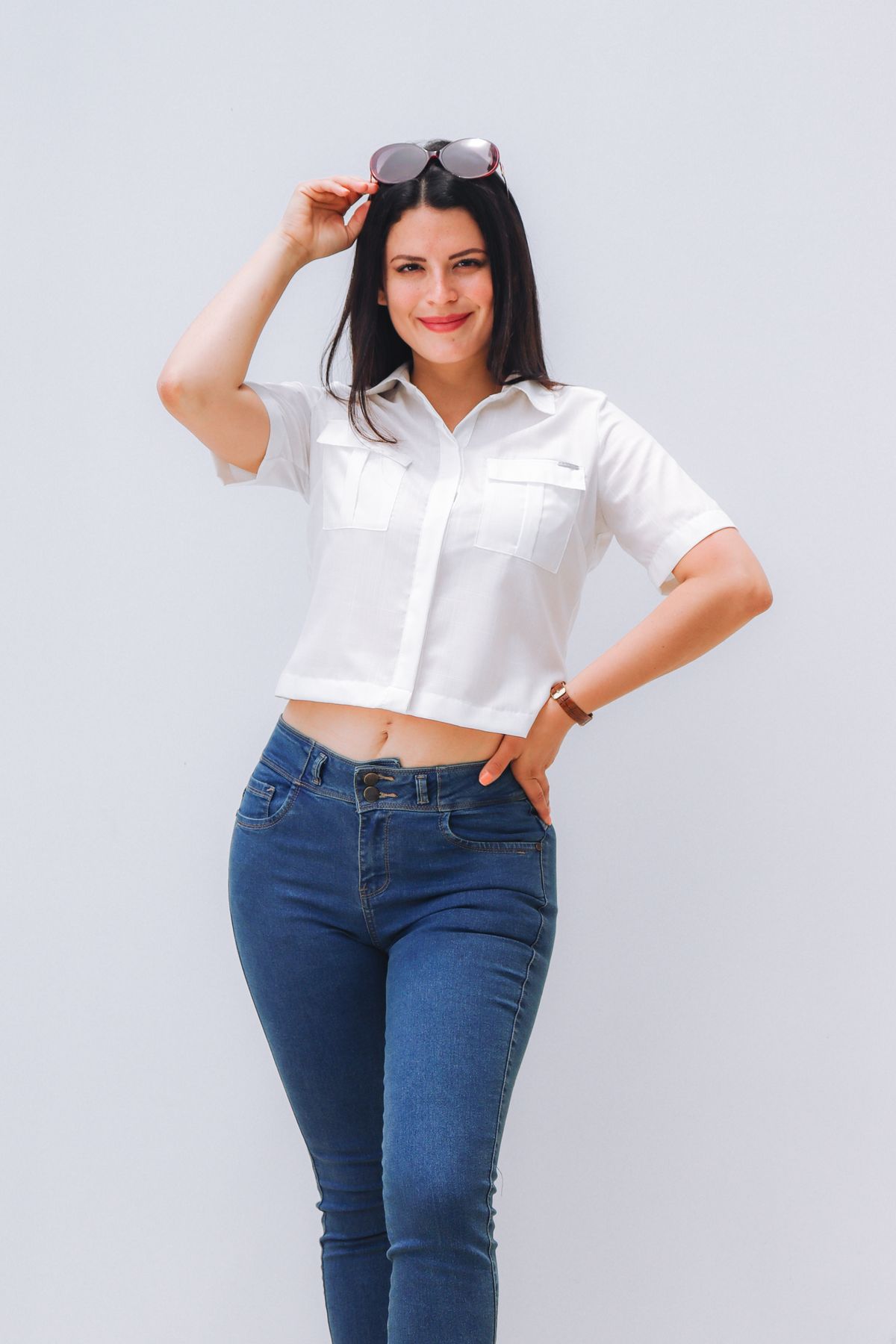
A white shirt can do more than sit beneath a work jacket. Change the way it is worn before deciding you need a completely different shirt.
Everyday outfits
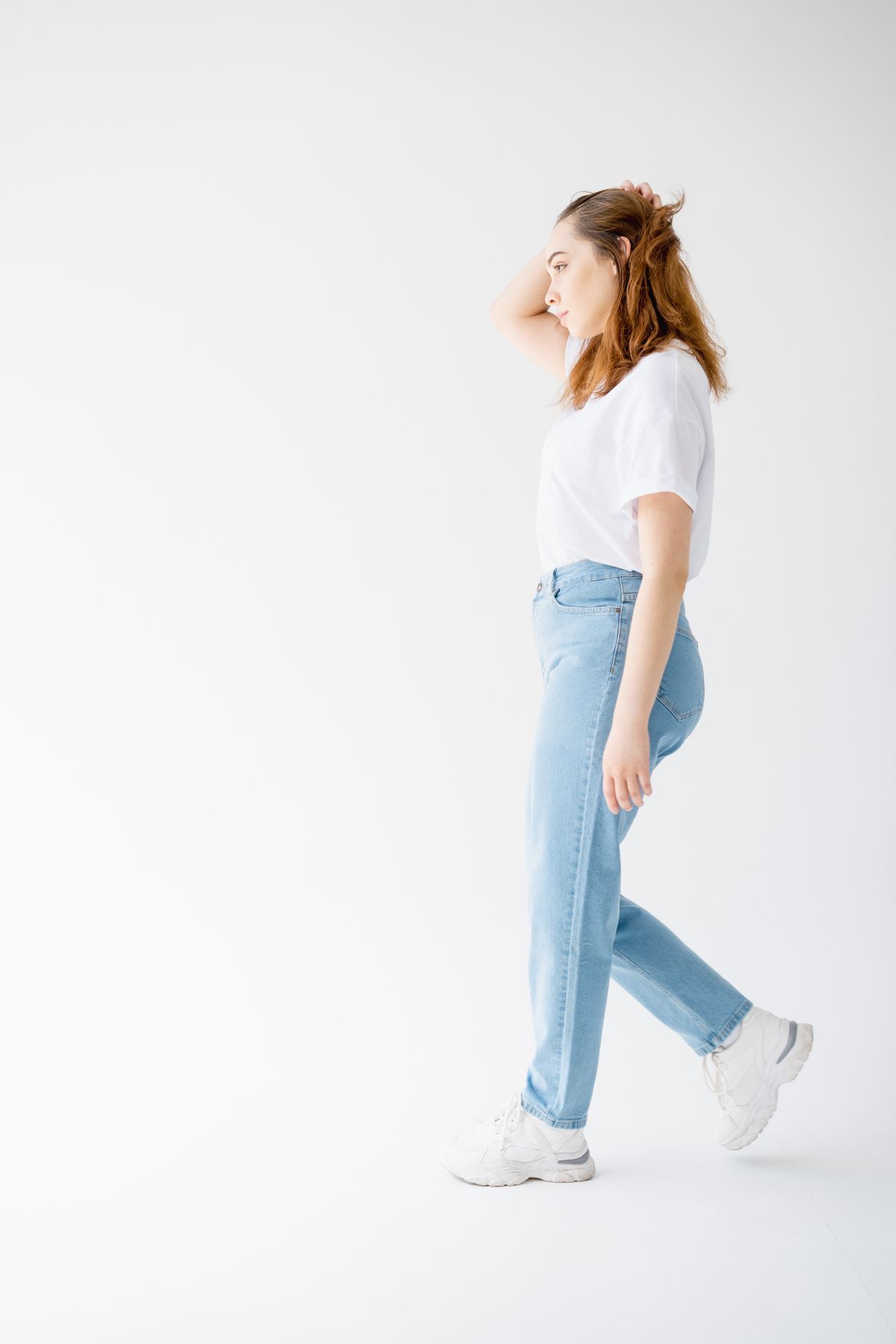
Straight-leg jeans provide a useful middle ground between narrow and very loose shapes. Their best partners depend on the rise, length and weight of your particular pair.

Everyday outfits
Navy and black can sit comfortably in the same outfit. The useful distinction is between a combination that feels chosen and two fabrics that almost match by accident.

Everyday outfits
A cardigan is useful when it can move between being a top and being a layer. Buttons, sleeve width and the neckline matter as much as the colour.

Everyday outfits
A blazer can feel less formal without being oversized. Start by changing its neighbours: the top, trousers and shoes do much of the work.

Everyday outfits
A striped top already brings a pattern into an outfit. Begin with its colours and scale, then decide whether the rest should be quiet or equally lively.
Everyday outfits
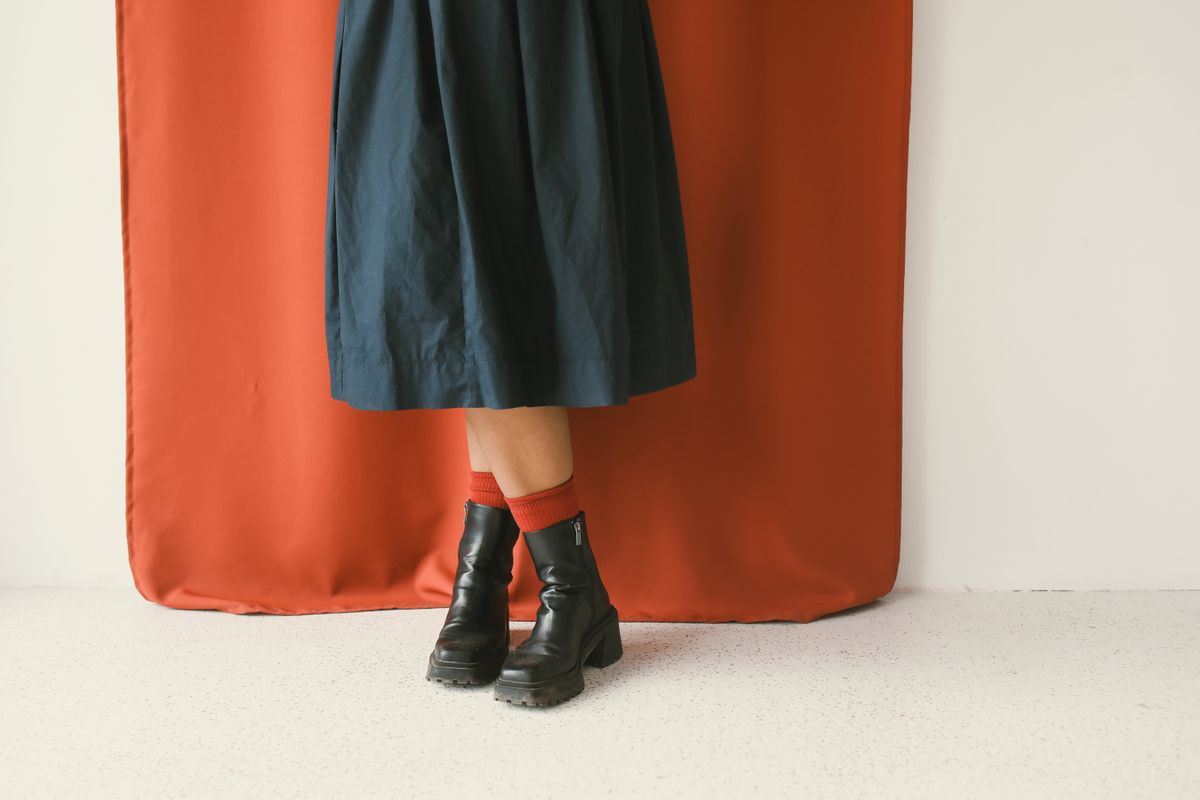
A midi skirt can work with flat shoes, trainers or boots. The hem, the amount of fabric and your walking stride determine which combination feels easiest.

Everyday outfits
Linen trousers tend to develop creases as you wear them. Plan an outfit around their relaxed surface rather than expecting them to behave like a sharply pressed suit.

Everyday outfits
A denim shirt can act as a top or a light jacket. Its thickness is the first thing to check before deciding which role it can comfortably fill.

Everyday outfits
A knitted dress combines a top and skirt in one piece, but layering still needs care. The aim is to add warmth without creating ridges or restricting movement.
Everyday outfits
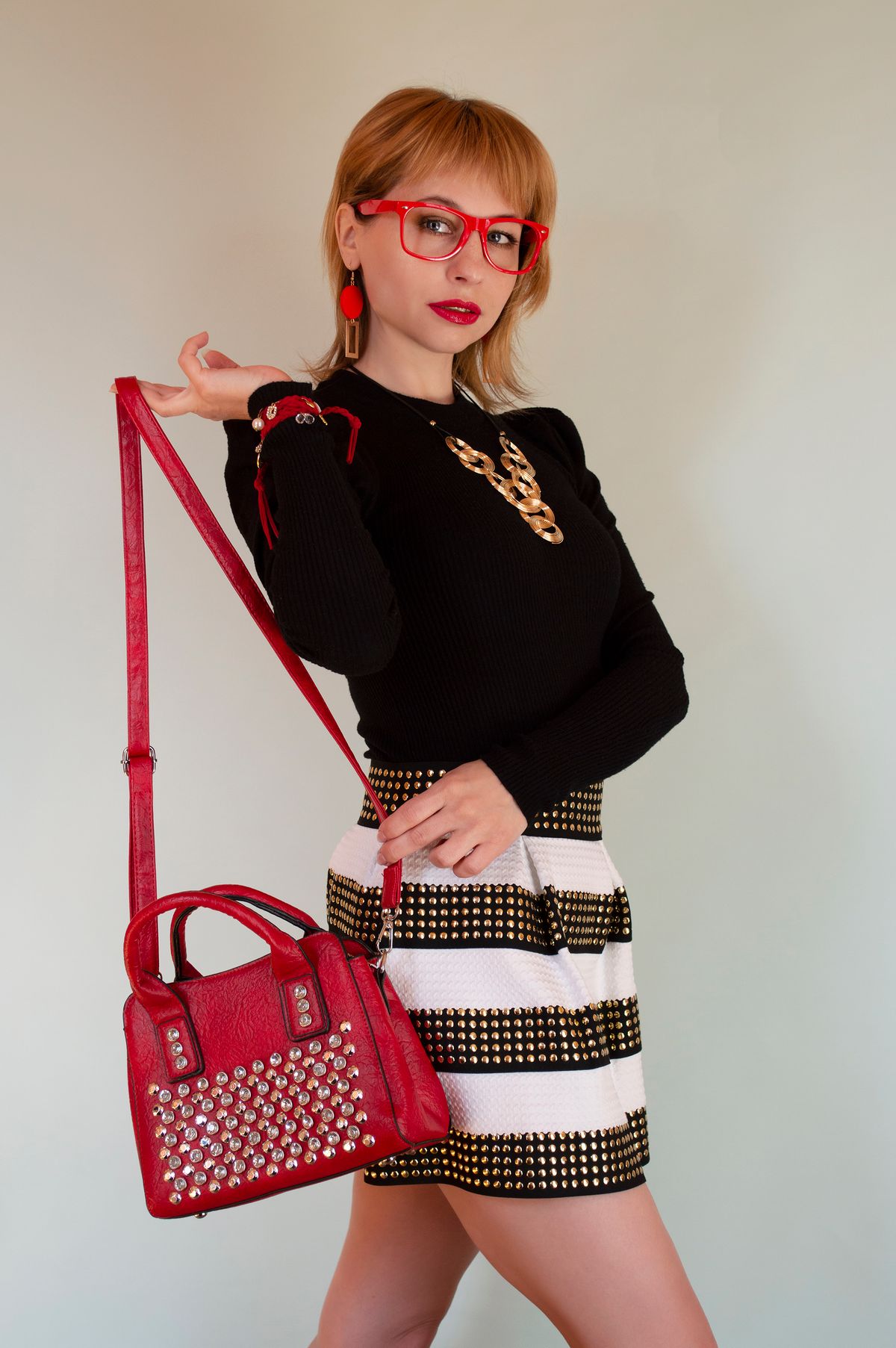
One coloured piece can change a familiar outfit without requiring a matching wardrobe. Start with a colour you enjoy looking at, then give it a simple setting.

Everyday outfits
A shirt beneath a jumper can add a collar, a cuff and some warmth. The best combination leaves enough room for both garments to move.
Everyday outfits
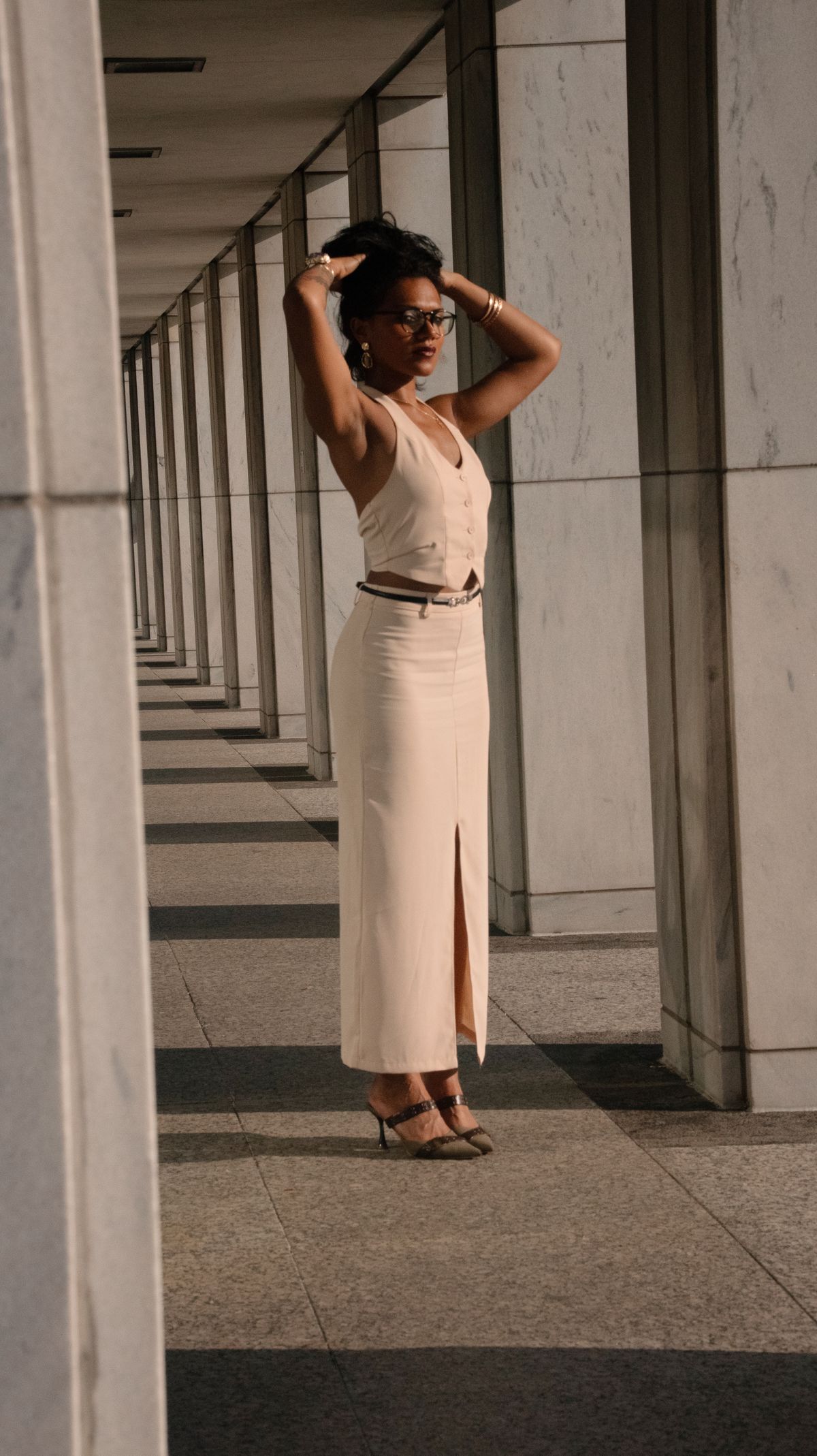
A tonal outfit uses related shades rather than an exact matching set. Differences in depth and texture can make the clothes feel connected without becoming indistinct.
Everyday outfits
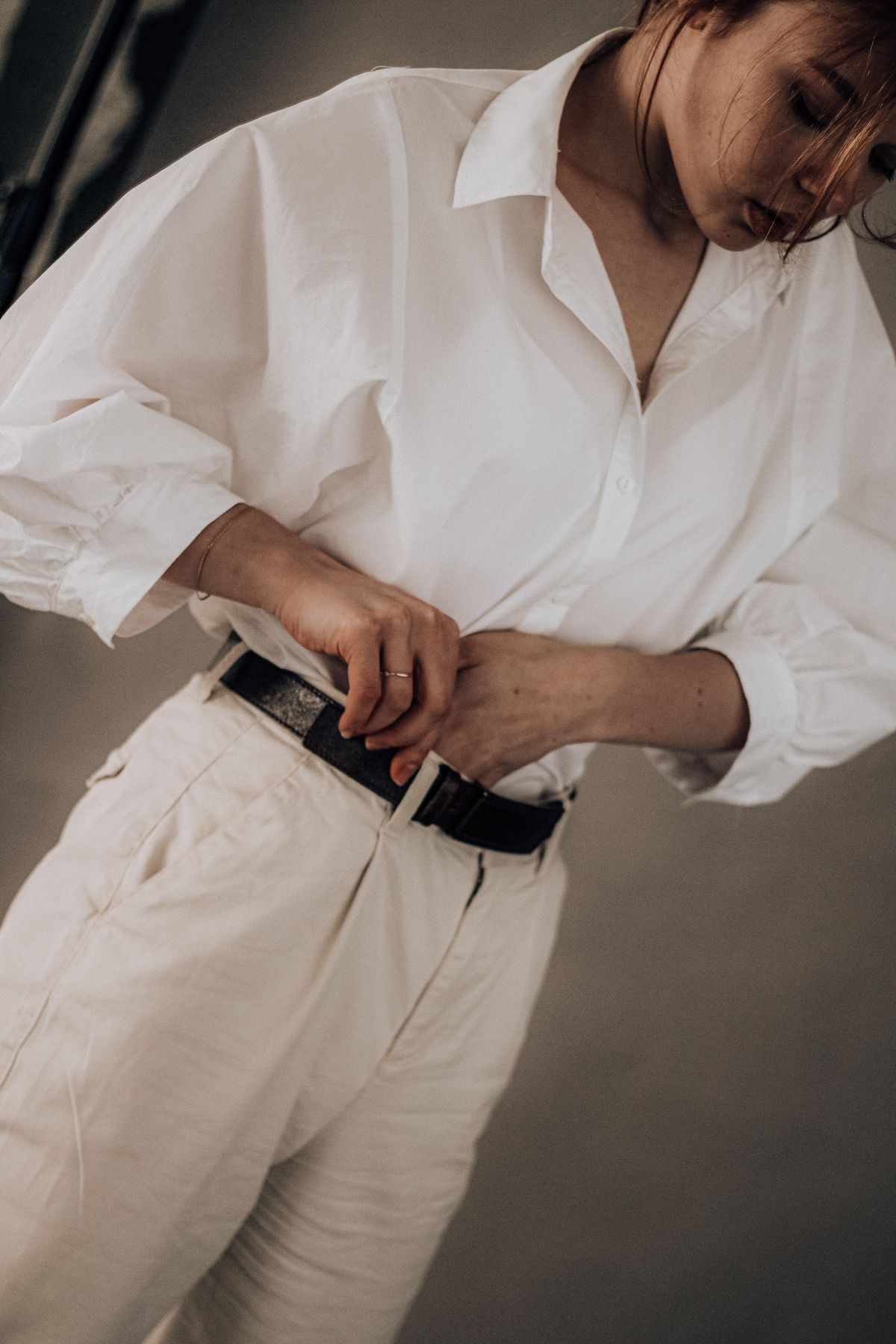
Tucking a top changes its length and where the outfit divides. It is a styling option, not a requirement for looking put together.

Everyday outfits
A short jacket can leave more of a skirt or high-waisted trouser visible. Its usefulness depends on where it ends and what fits beneath it.

Everyday outfits
Black trousers can cover several parts of a week, but not every pair does every job. Begin with the fabric and fit of the trousers already in your wardrobe.
Everyday outfits
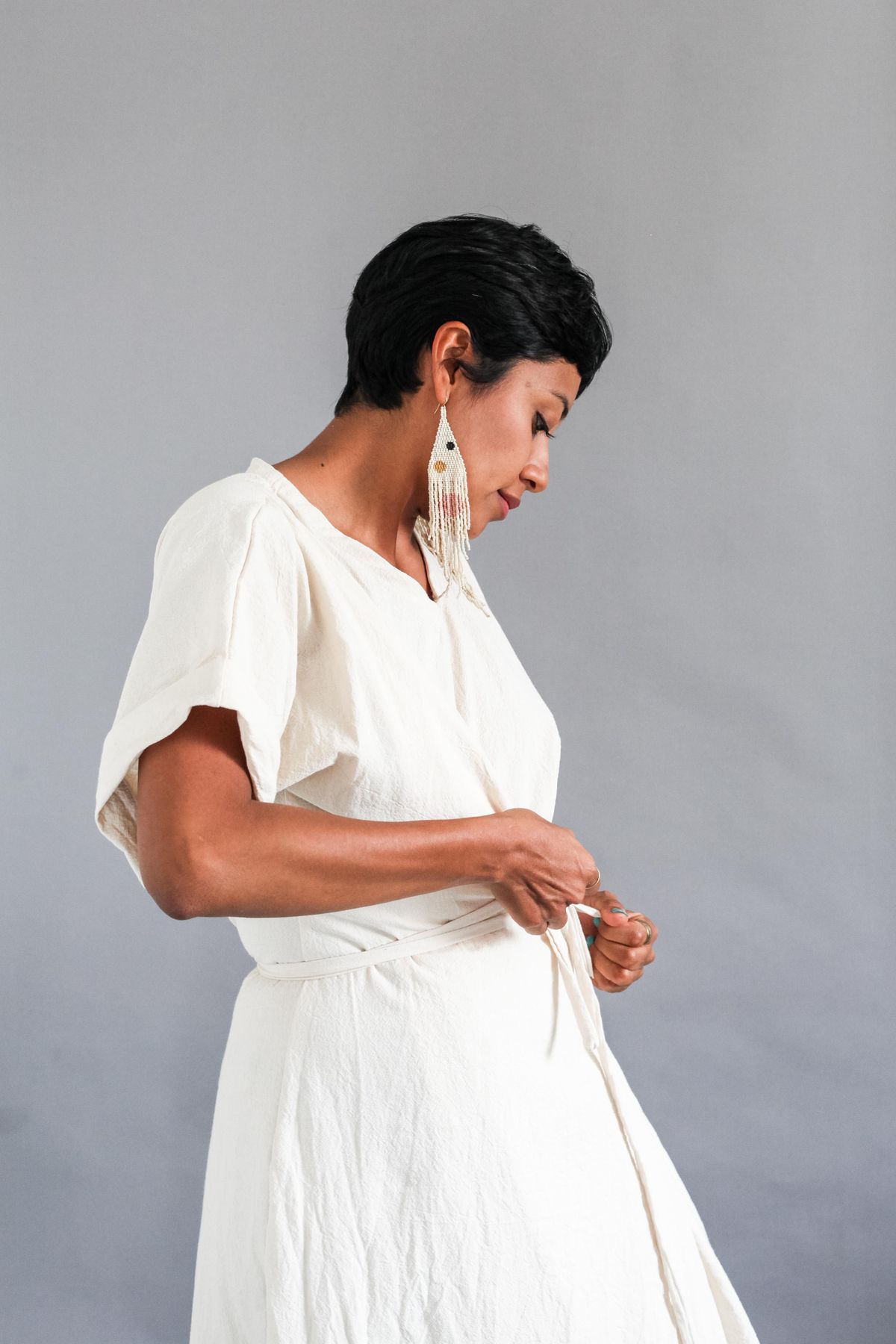
A loose dress does not need to be made fitted. If you want a little more definition, try small changes that preserve the ease that made you choose it.

Everyday outfits
Sleeves and cuffs can change how an outfit feels without adding another item. A useful adjustment stays comfortable and does not need constant repair.
Everyday outfits
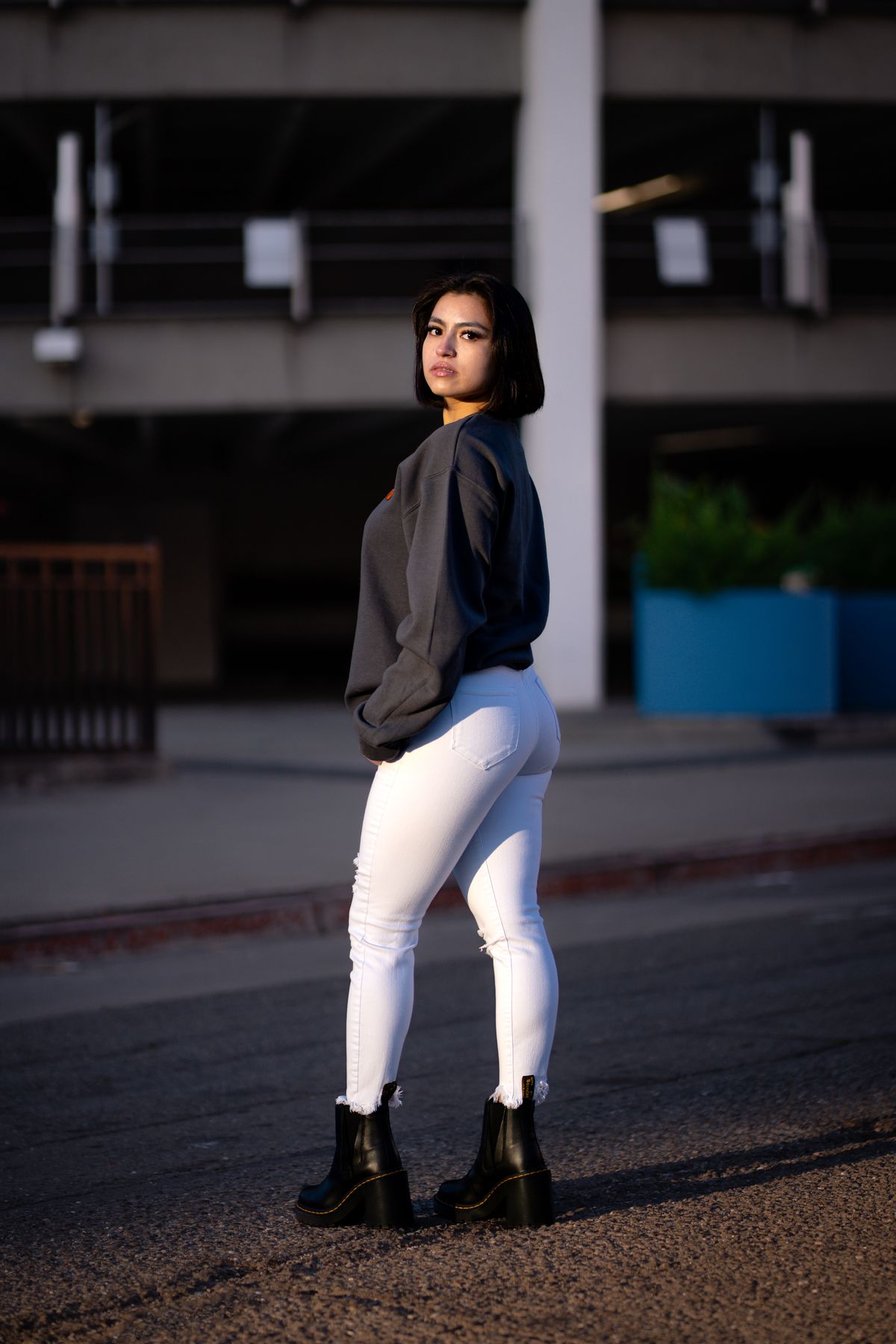
White jeans can be useful on cooler days as well as in summer. Their weight, opacity and hem length matter more than the month on the calendar.
Everyday outfits
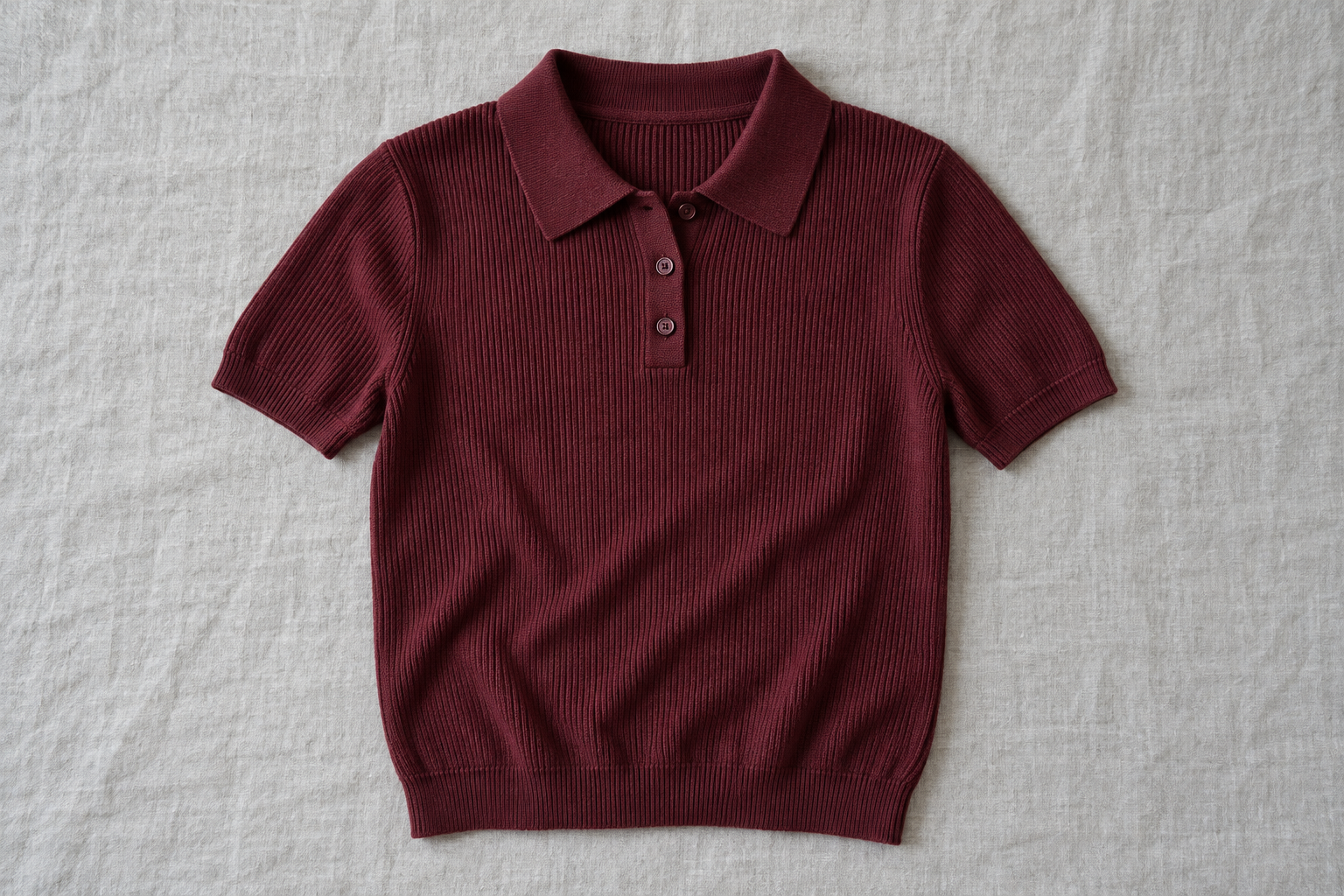
A knitted polo adds a collar without the separate layers of a shirt and jumper. The neckline and ribbed hem give you two useful points to adjust.
Everyday outfits
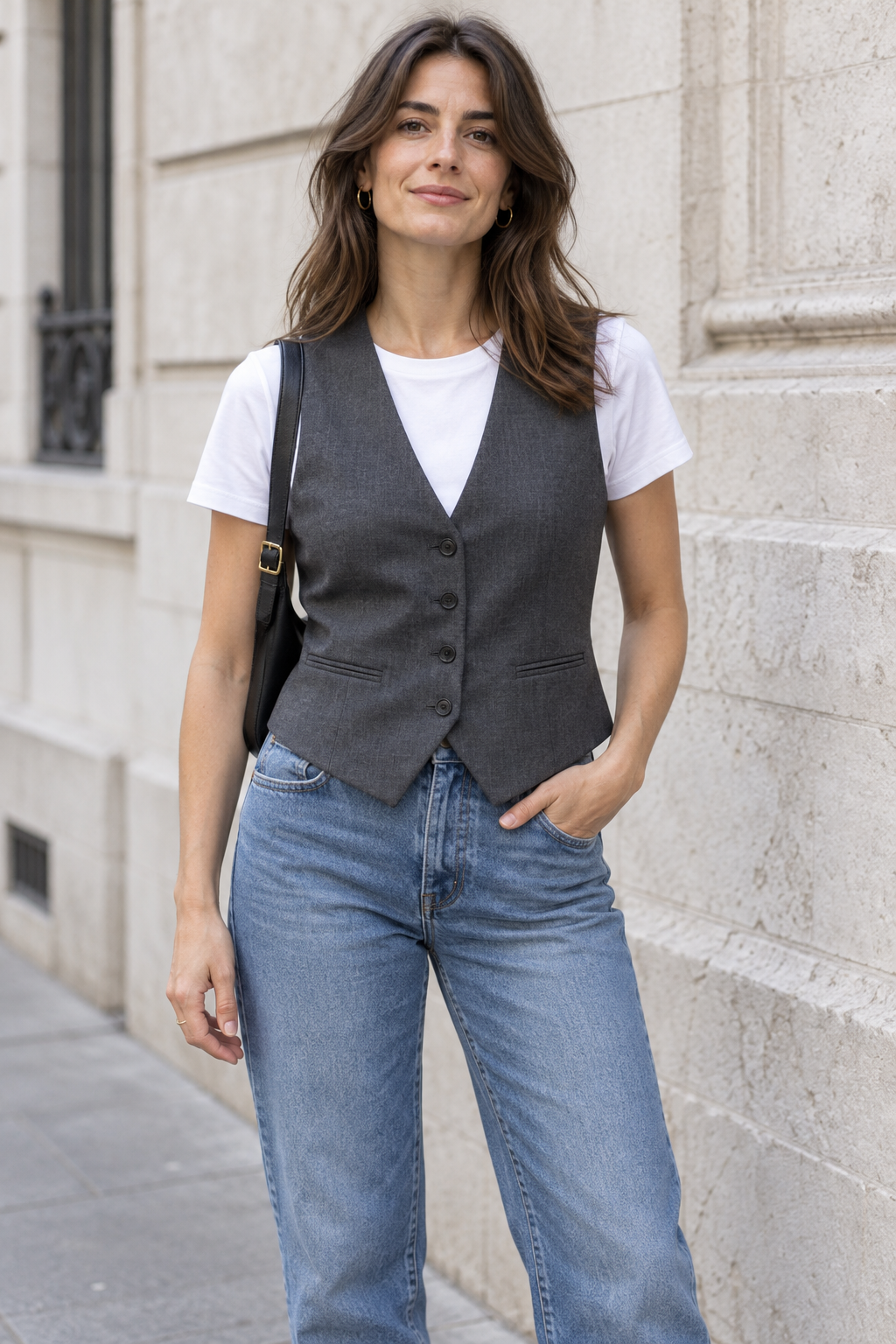
A waistcoat does not need matching trousers. Worn on its own or over a light layer, it can bring structure to clothes you already use.
Everyday outfits
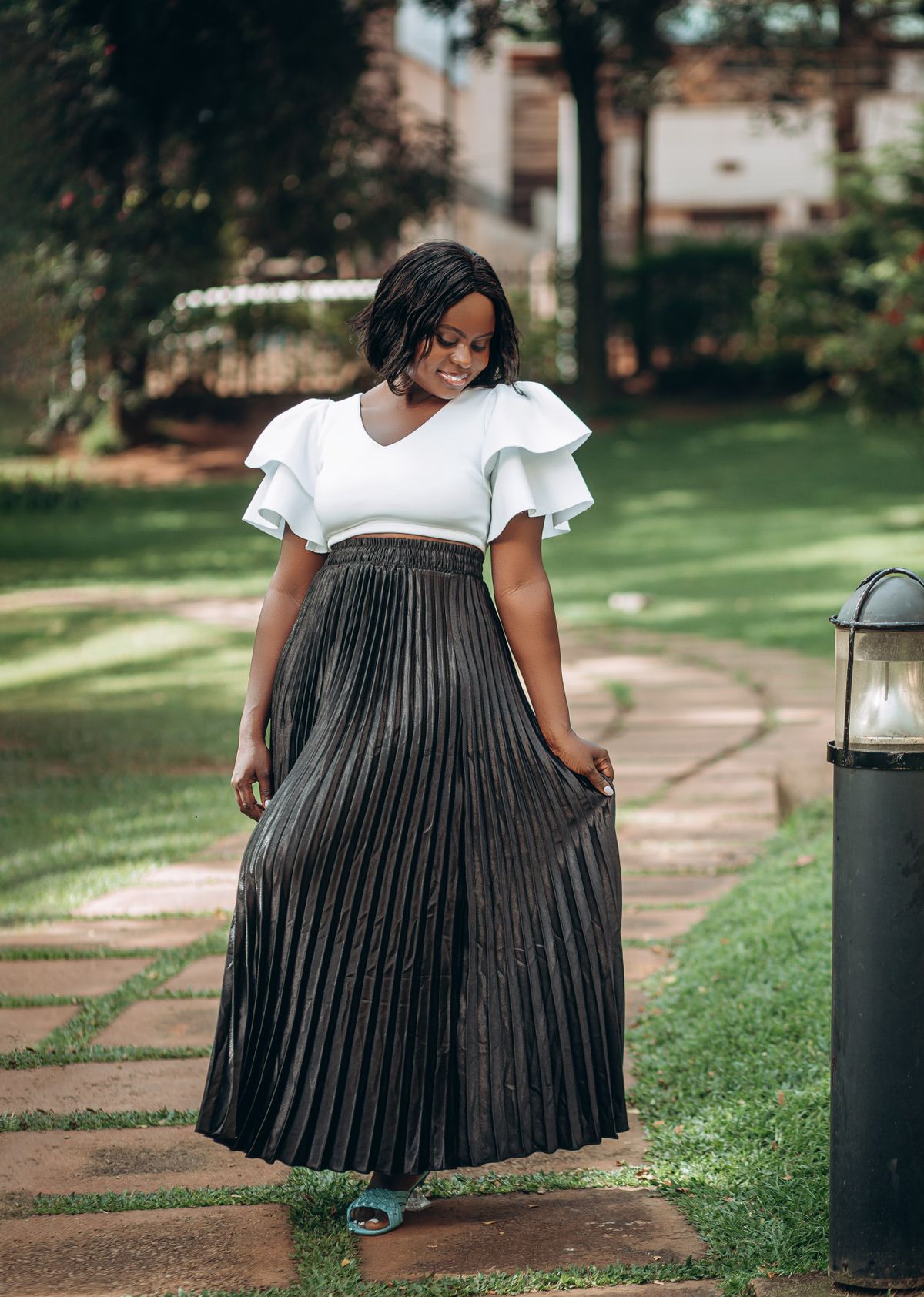
A long skirt can be easy to wear when its hem and shape allow you to move normally. Start with the walk you will actually do, not just the mirror view.

Everyday outfits
Printed trousers can carry most of an outfit’s visual interest. A plain top is a useful starting point, but it is not the only way to wear them.

Everyday outfits
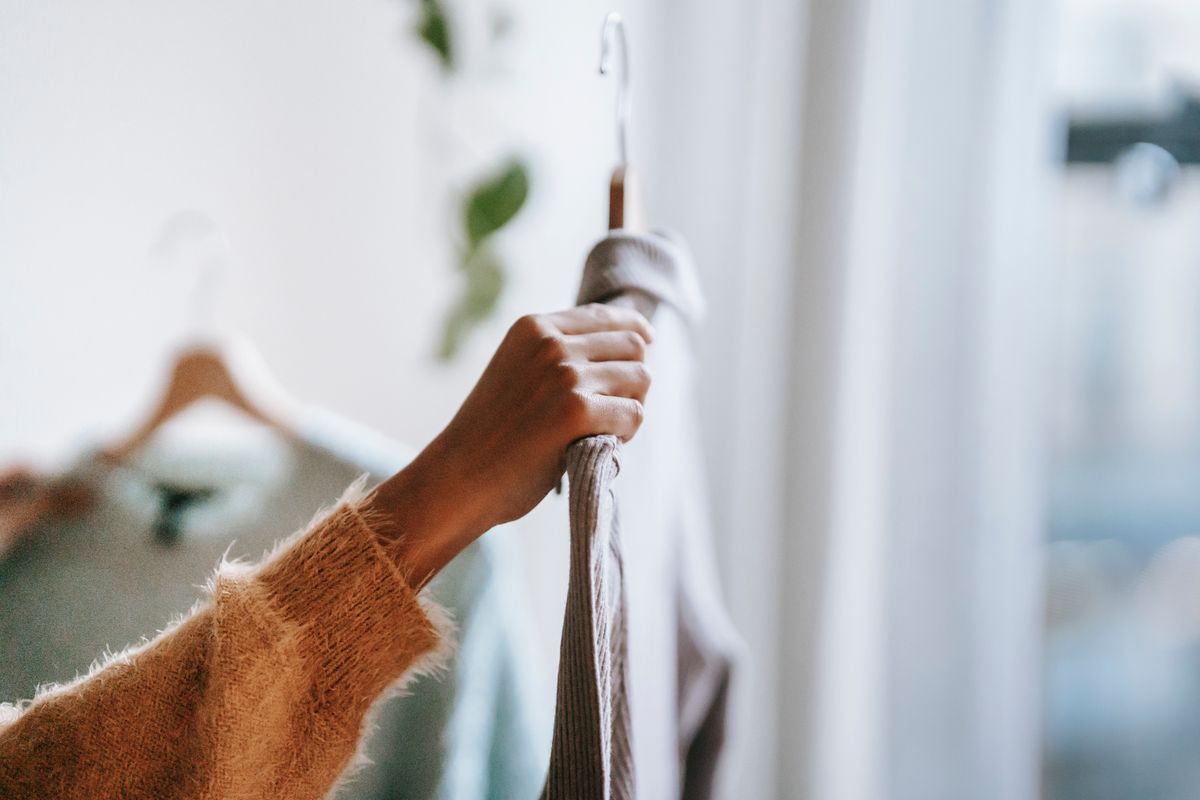
A denim skirt can be as straightforward as jeans, provided its shape suits your movement. Length, weight and the front opening deserve a proper try-on.
Everyday outfits
An outfit that worked once can work again. Keeping a few reliable combinations makes room for variation without turning every morning into a new project.
Wardrobe planning
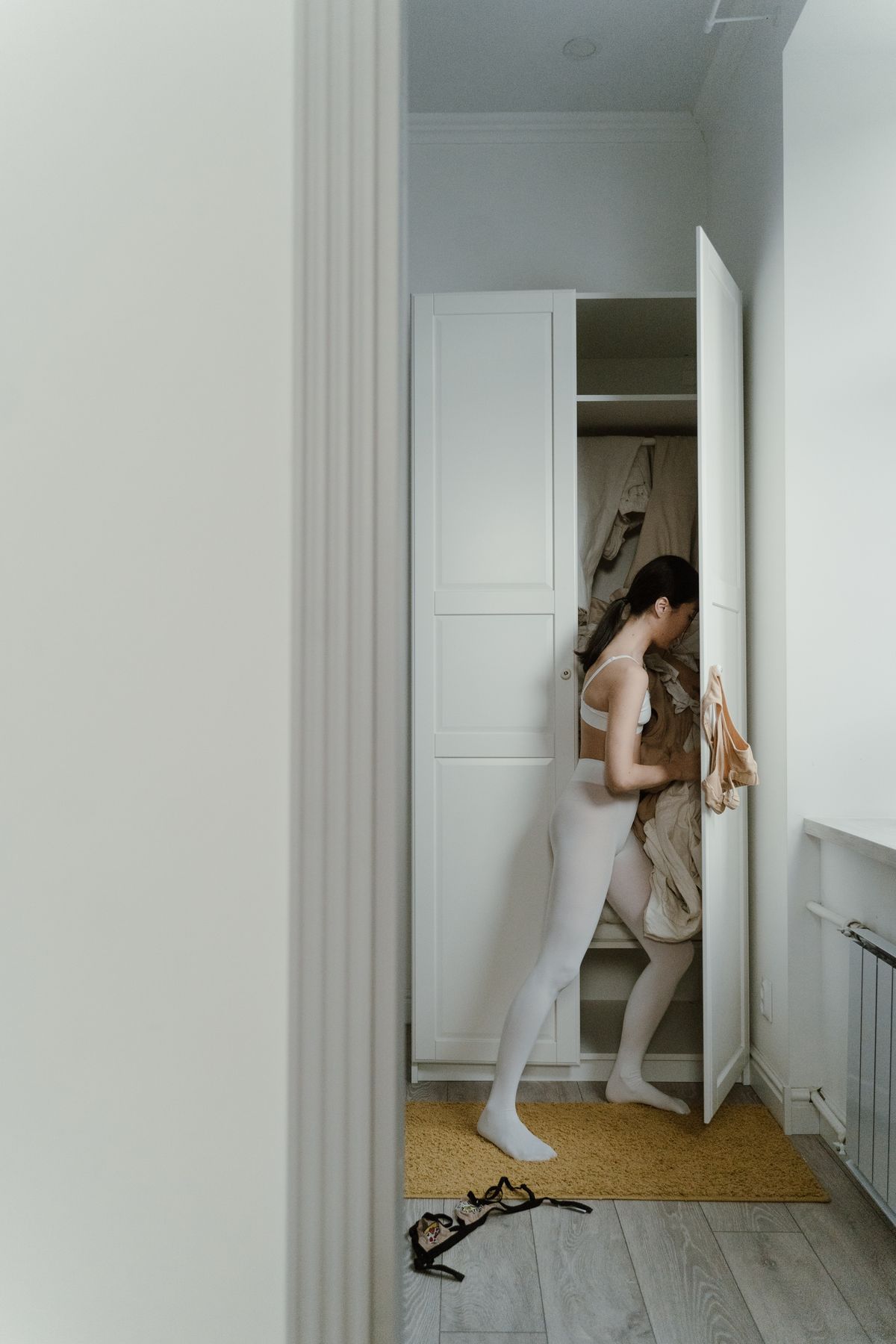
An afternoon is enough to make getting dressed easier, provided the job stays smaller than the entire contents of your bedroom.
Wardrobe planning
A few minutes with your diary can remove the most awkward clothing decisions from the week without prescribing every outfit.
Wardrobe planning
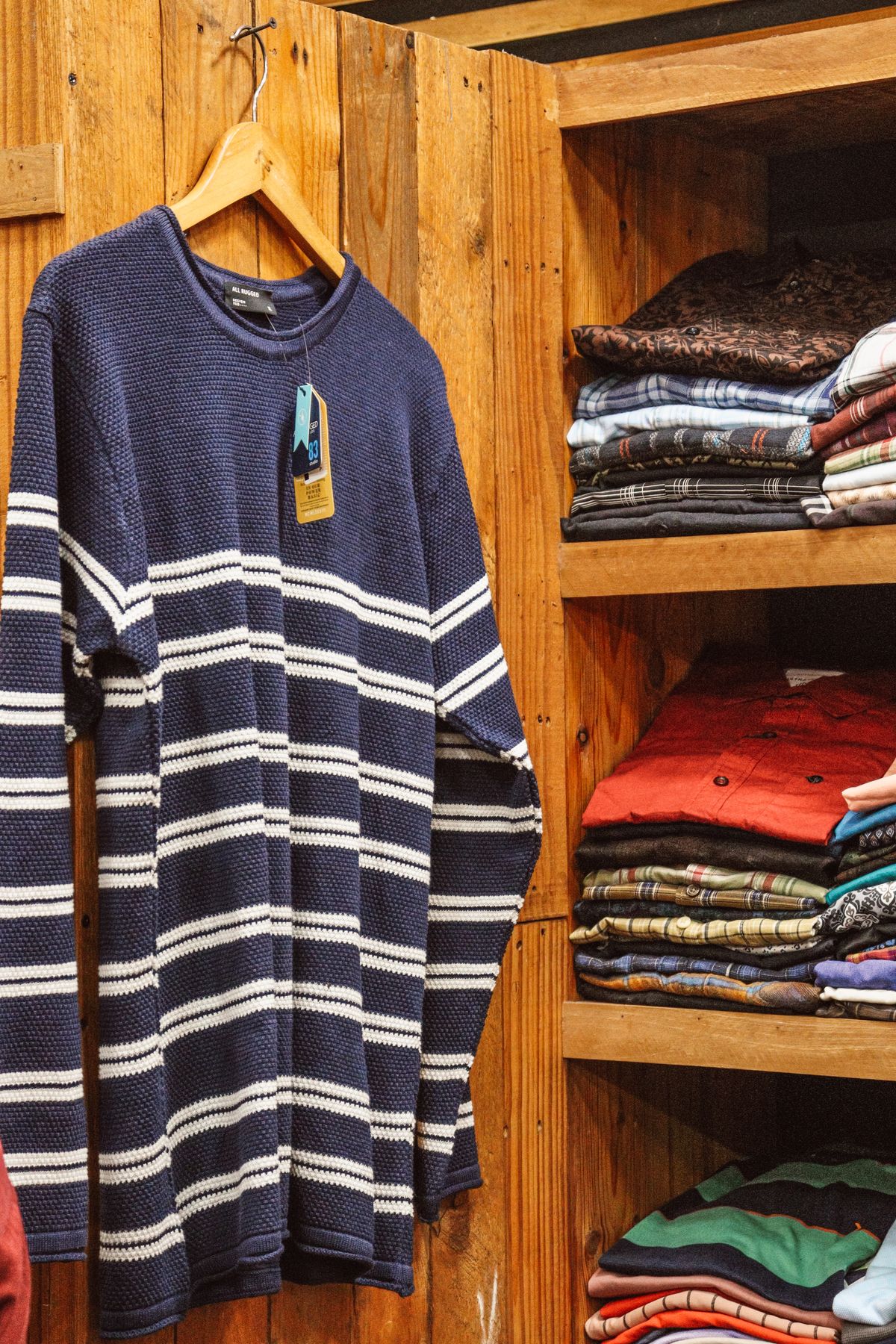
A small wardrobe needs clear access more than elaborate storage. Make the clothes you use easiest to see and remove.
Wardrobe planning
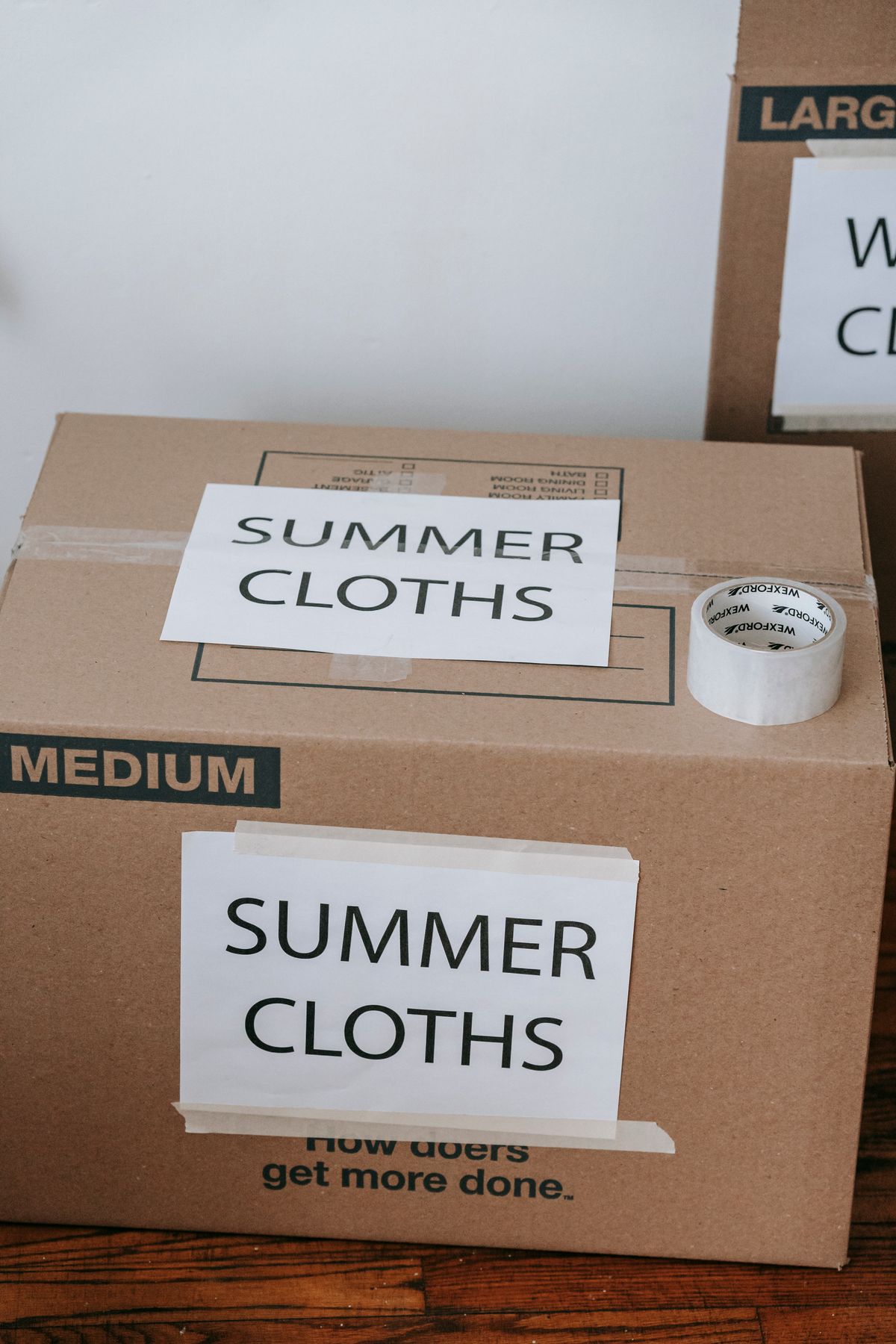
Seasonal storage works best as a gradual exchange. Keep the clothes useful in mixed weather while moving genuinely inactive pieces out of the way.
Wardrobe planning
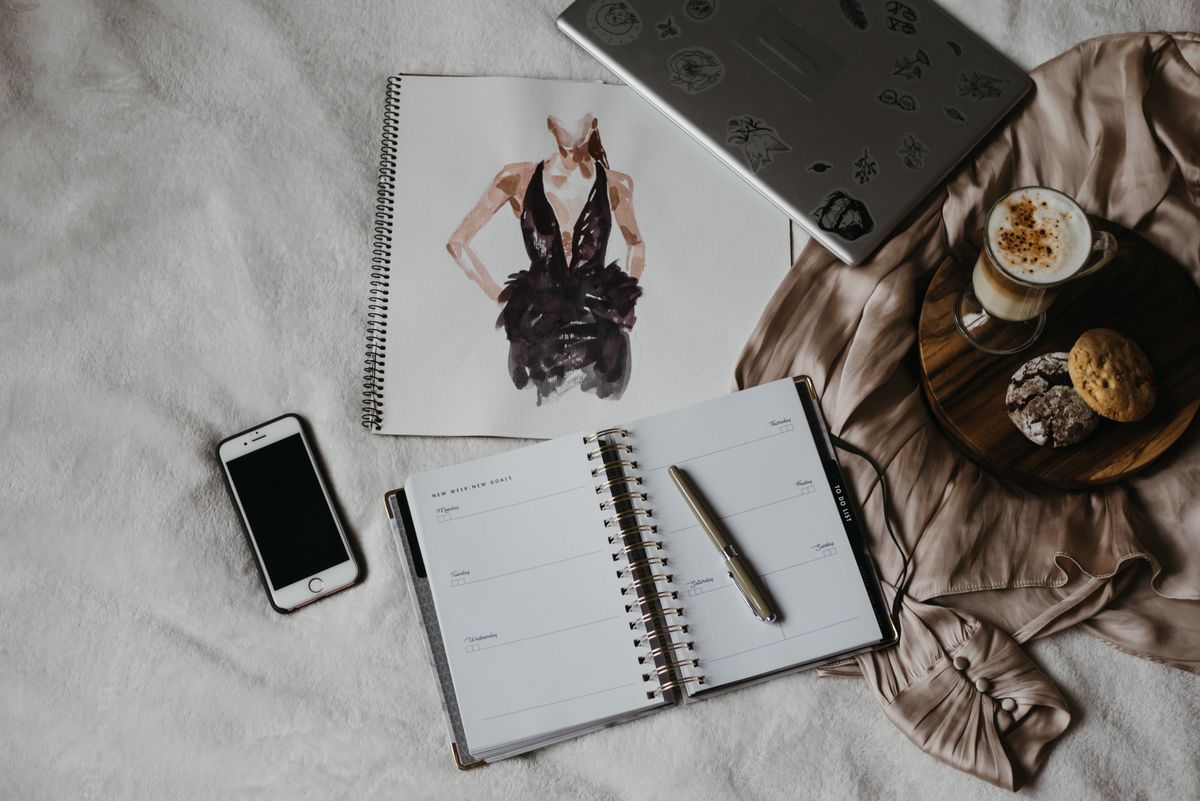
Useful outfit notes explain why a combination worked. A quick photograph and one sentence can be enough.
Wardrobe planning
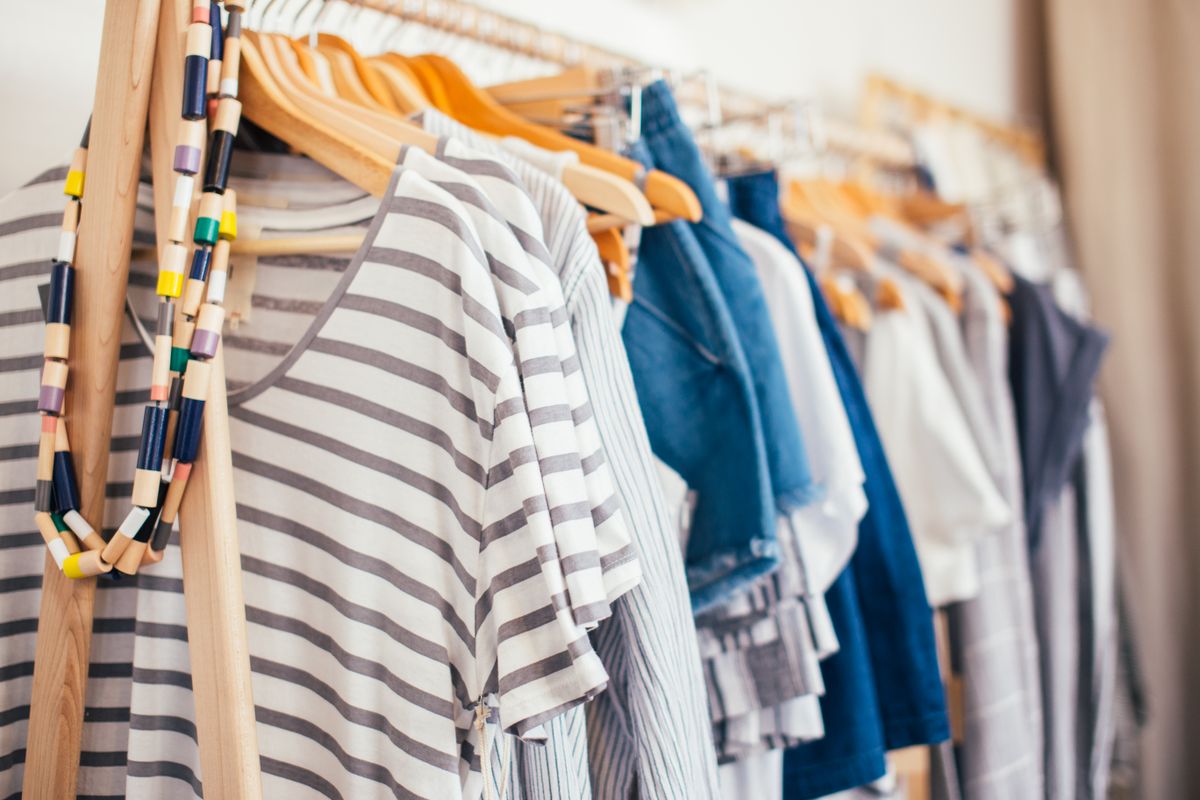
A hanger should support the garment without stretching it, slipping off or making the rail unnecessarily crowded.
Wardrobe planning
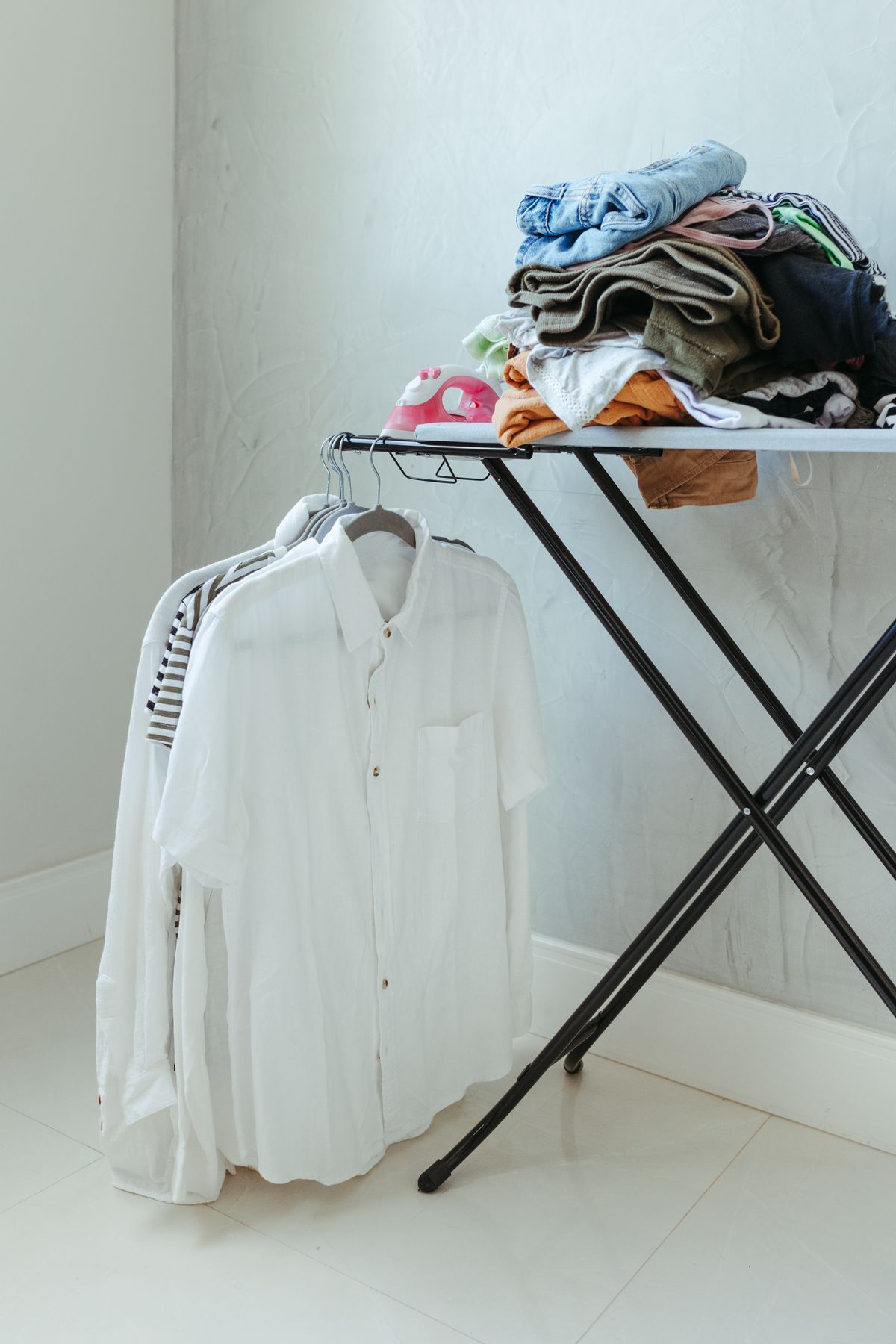
Deciding what to fold is less about strict wardrobe rules than the way each garment holds its shape and responds to creasing.
Wardrobe planning
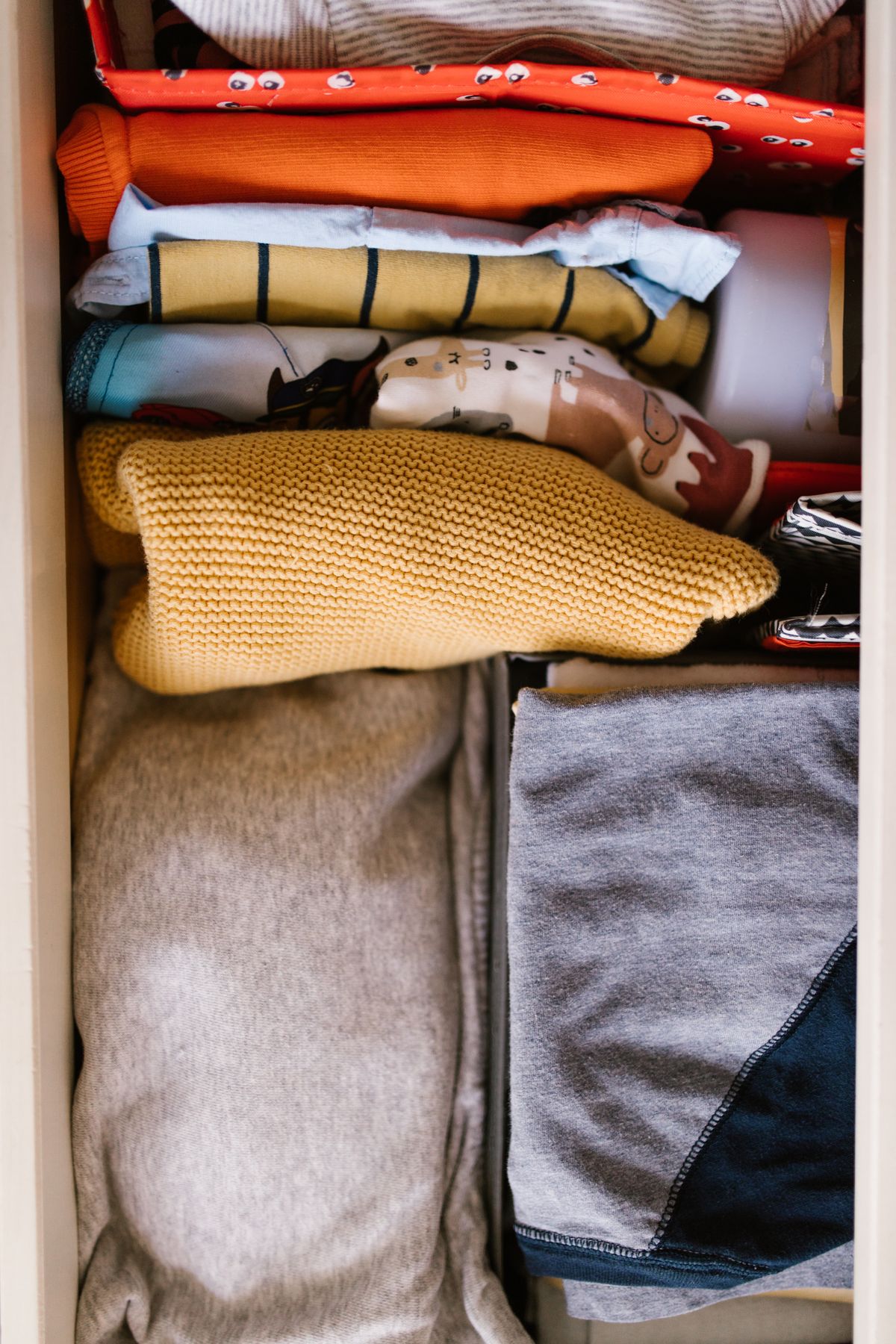
Before buying drawer organisers, find out which clothes become hard to see, hard to remove or difficult to put back.
Wardrobe planning
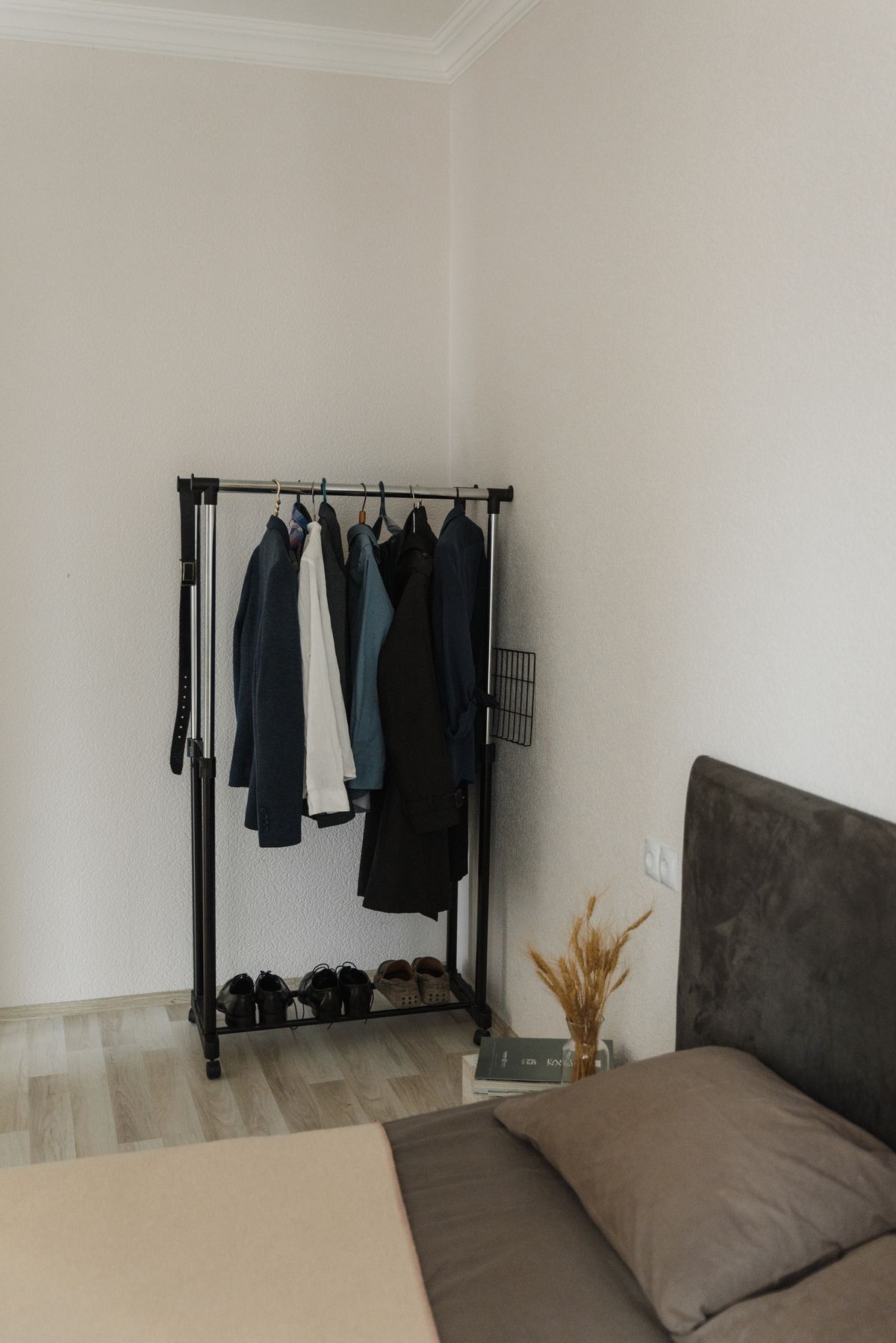
An open rail can make favourite clothes easier to reach, but it needs a clear purpose and enough breathing room to stay useful.
Wardrobe planning
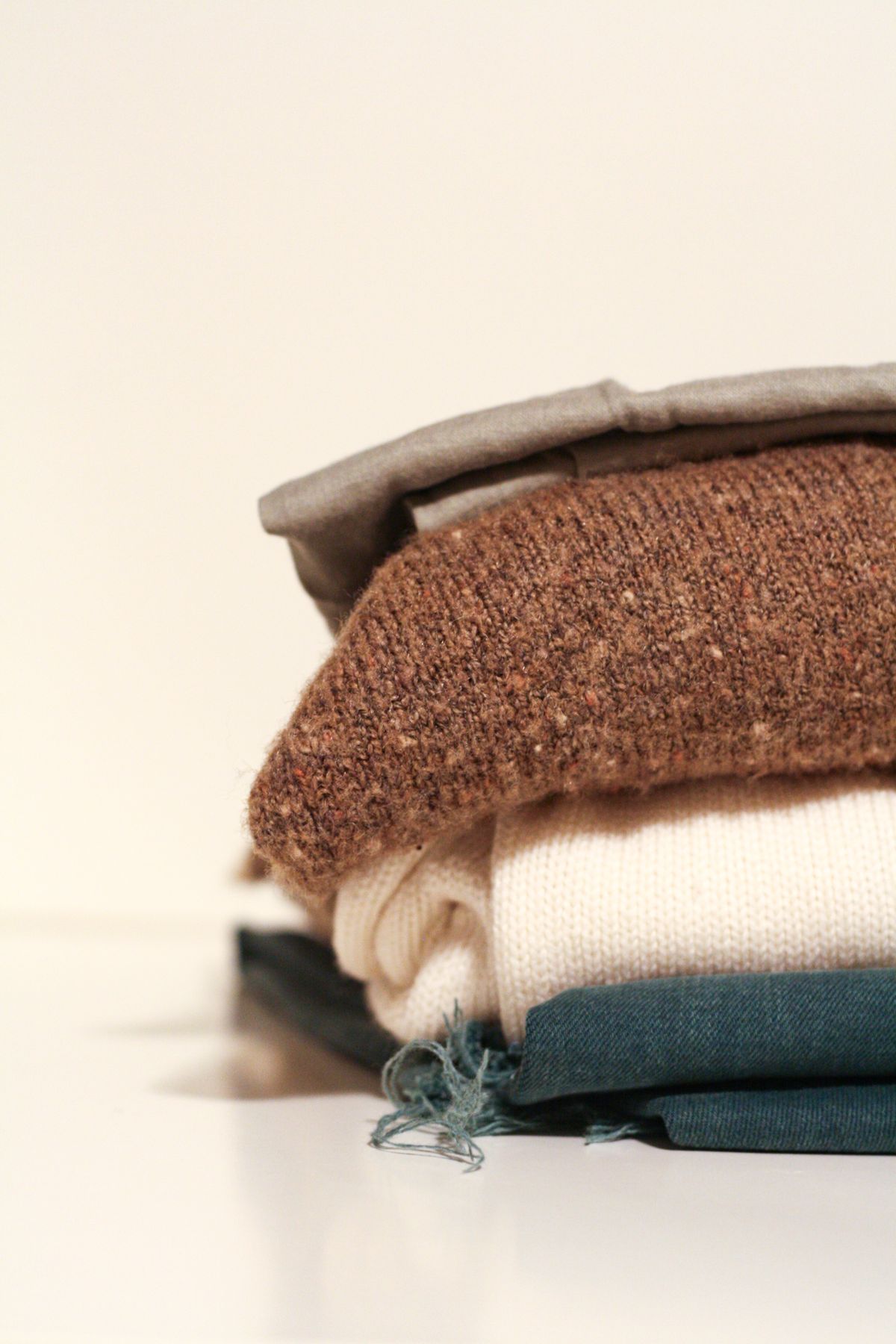
Knitwear is easier to wear regularly when you can see the options without lifting a heavy, unstable tower of jumpers.
Wardrobe planning
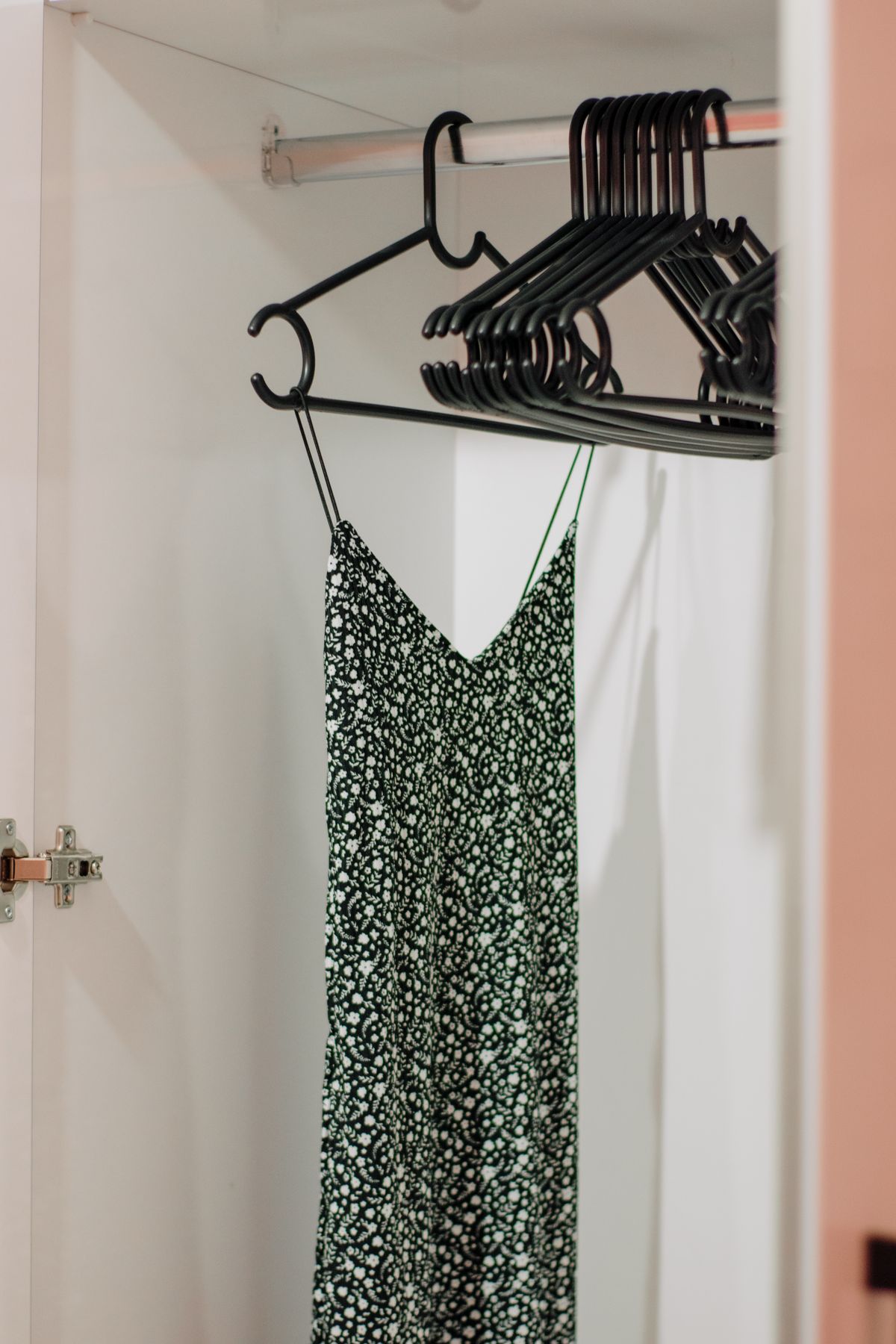
Occasion clothes can deserve a place in a wardrobe even when they are rarely worn. The aim is to keep them ready without letting them obstruct everyday dressing.
Wardrobe planning
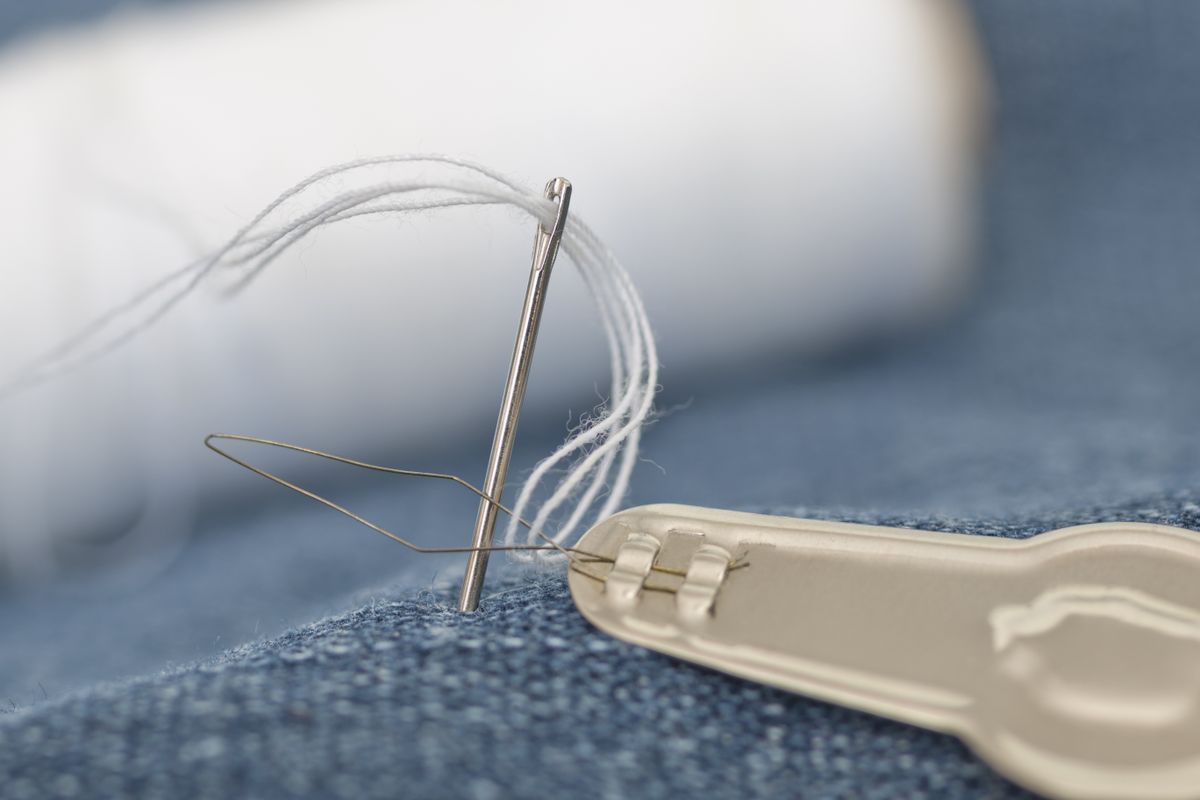
A repair pile becomes manageable when each garment has a named problem and a realistic next step.

Wardrobe planning
Clothes that no longer fit need a calm decision, not a judgement about your body or the money already spent.
Wardrobe planning
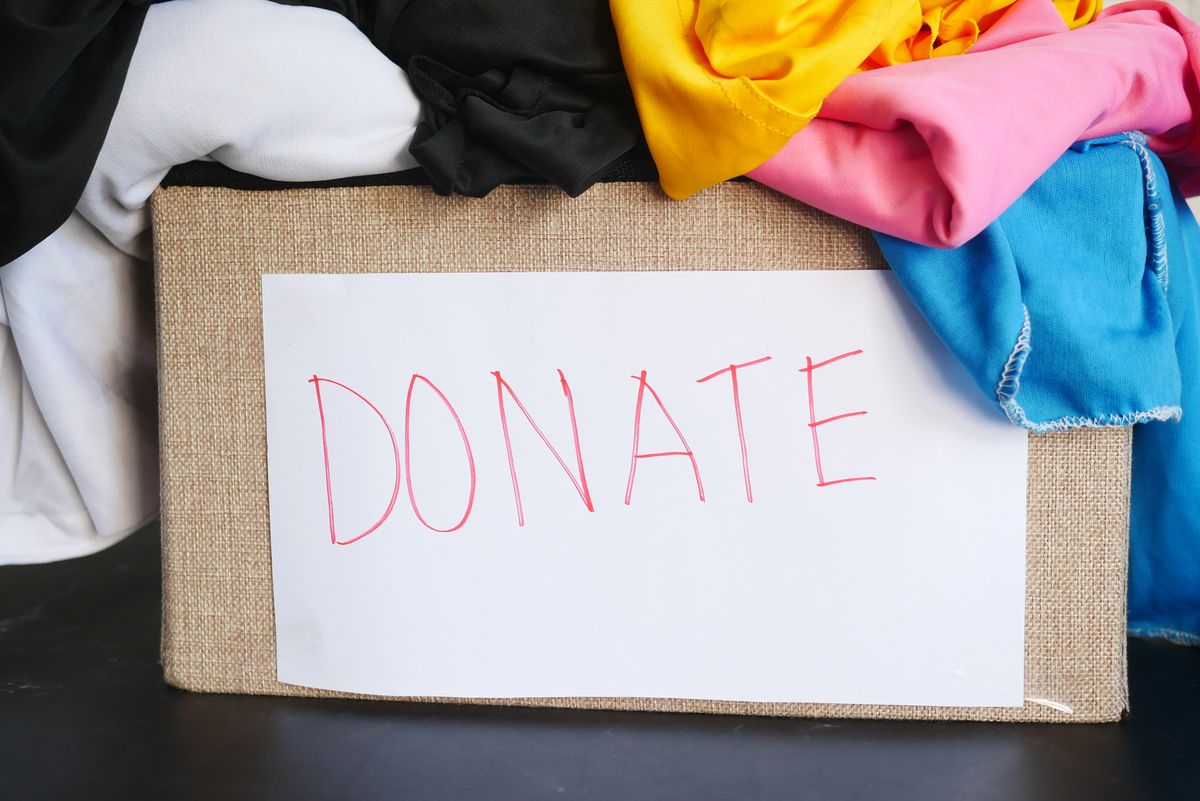
A thoughtful donation starts with the condition of the clothes and the needs of the organisation receiving them.

Wardrobe planning
A genuine wardrobe gap is a recurring practical obstacle. It is easier to recognise when you describe the job before imagining the purchase.
Wardrobe planning
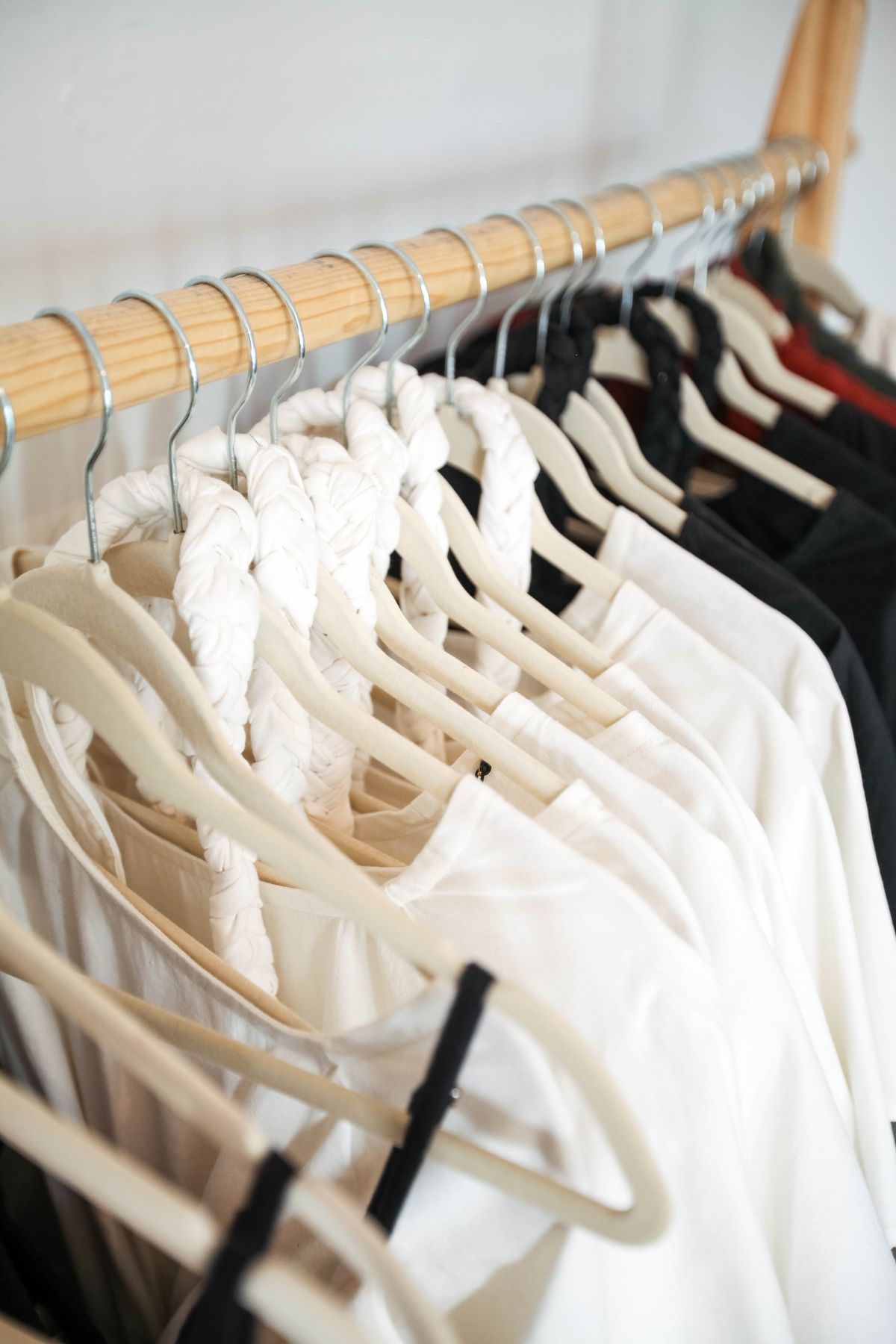
A capsule wardrobe can simply be a useful group of clothes that work together. It does not need a fixed count or a fresh shopping list.

Wardrobe planning
A shared work-and-home wardrobe depends on comfortable pieces that suit both settings, with a few changes where the day asks for them.
Wardrobe planning
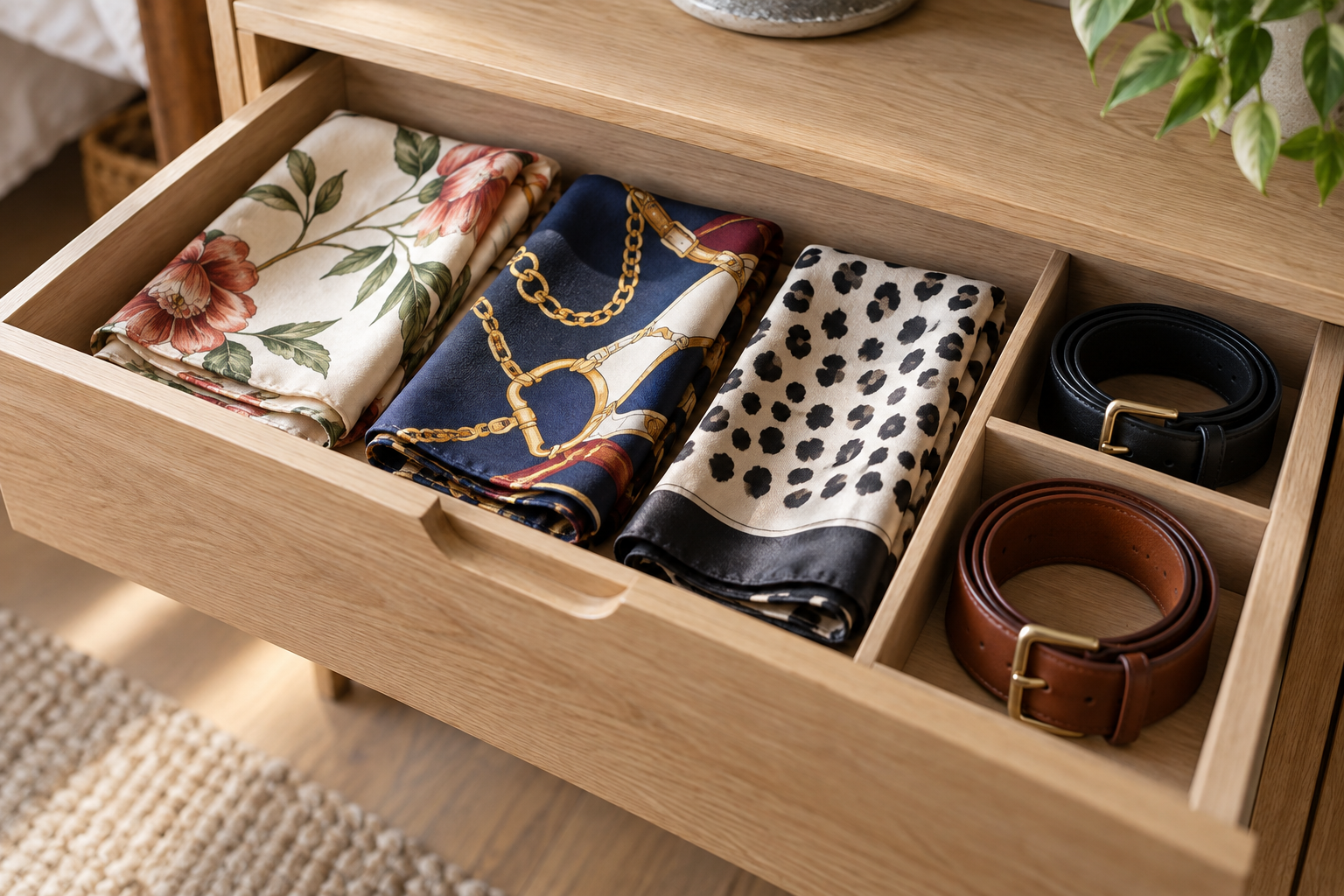
Scarves and belts are most useful when you can find the right one without emptying a drawer or untangling a knot of buckles.
Wardrobe planning
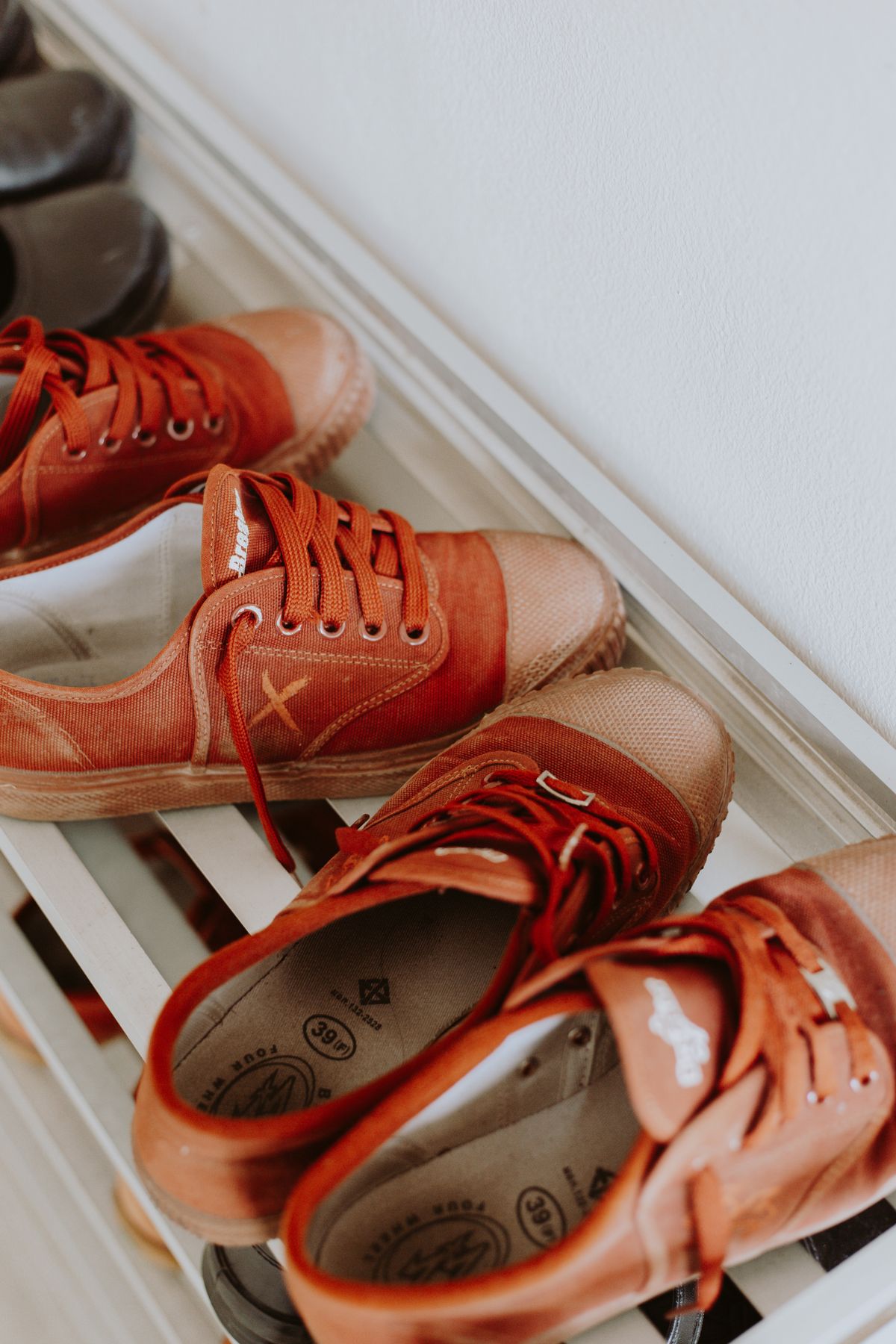
A useful shoe area keeps everyday pairs together, gives damp footwear time to dry and leaves the route through the room clear.
Wardrobe planning
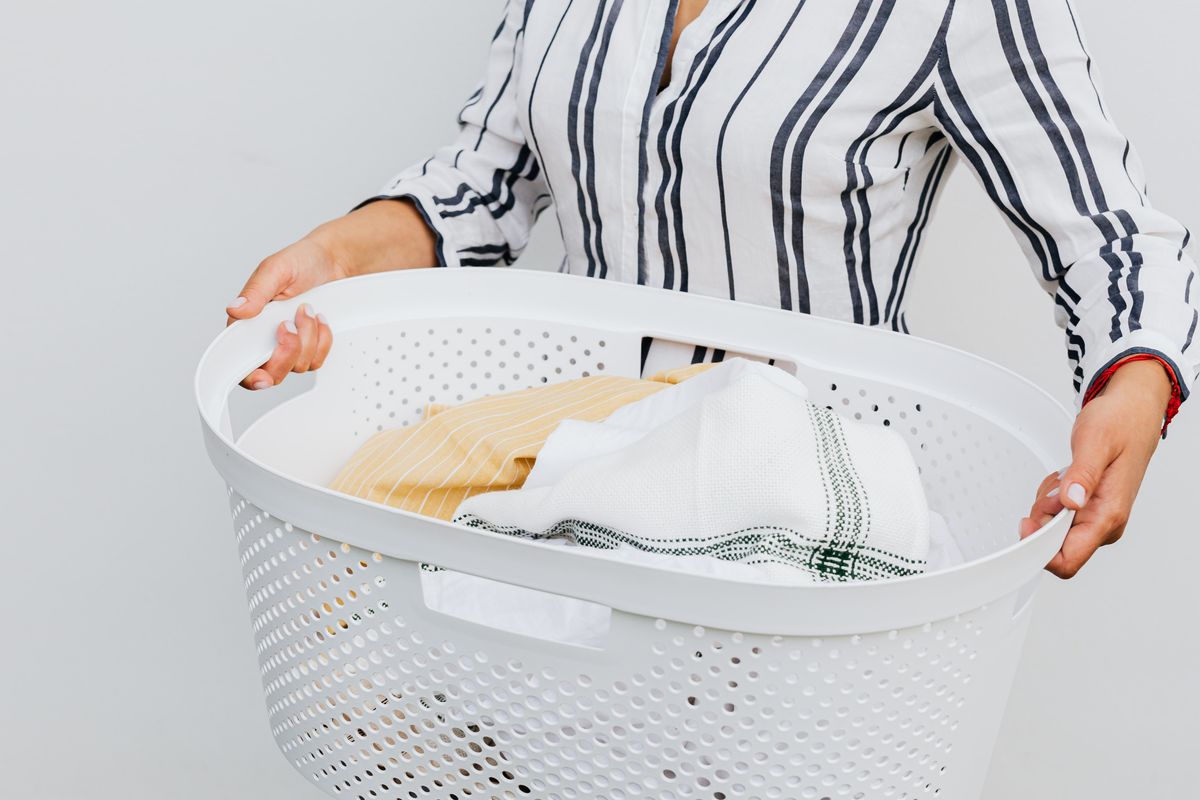
A laundry routine should return the clothes you need to the wardrobe reliably, with room for drying and a little attention to garment care.
Wardrobe planning
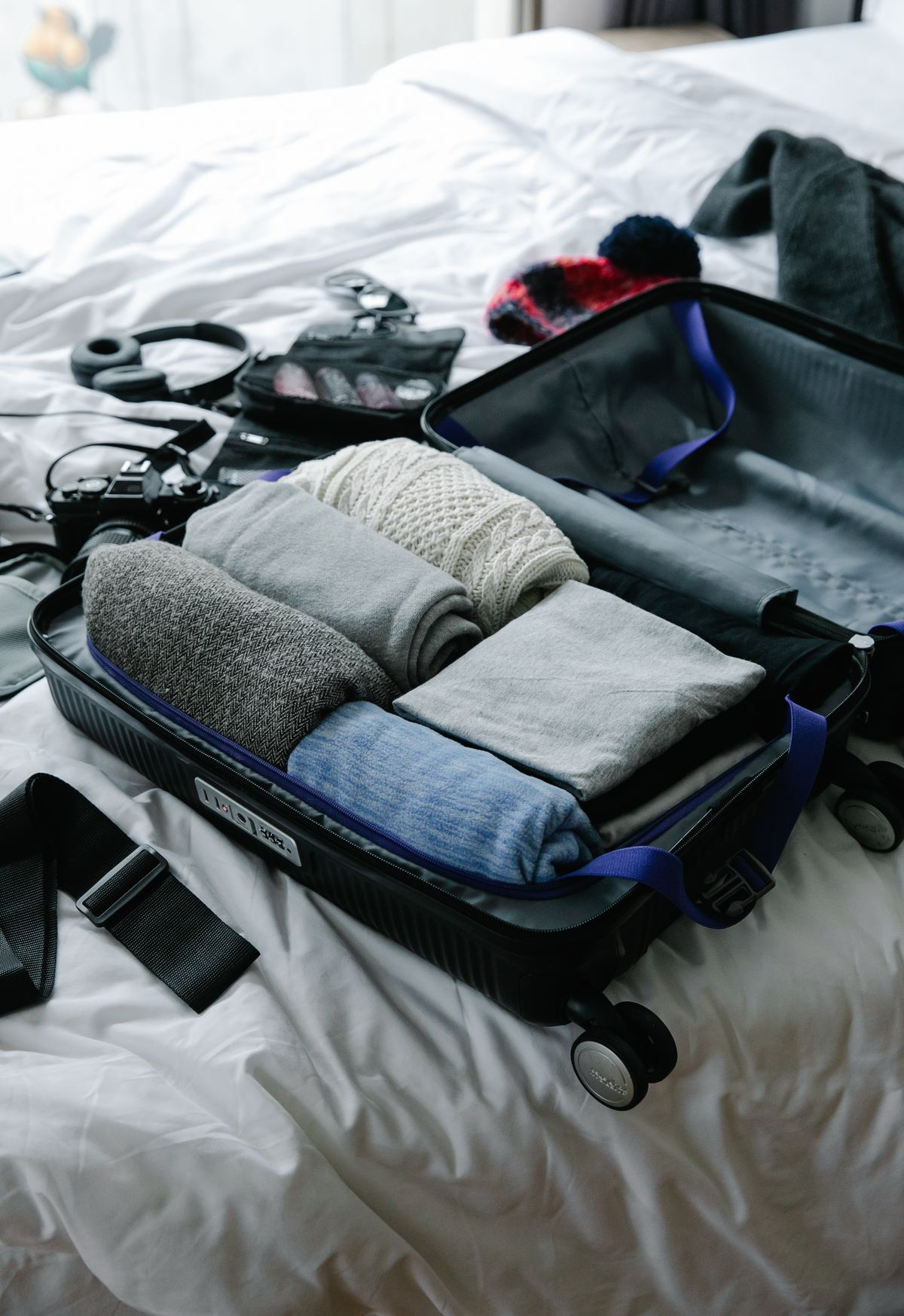
Trying travel outfits at home helps you discover awkward combinations before they take up space in a suitcase.
Wardrobe planning
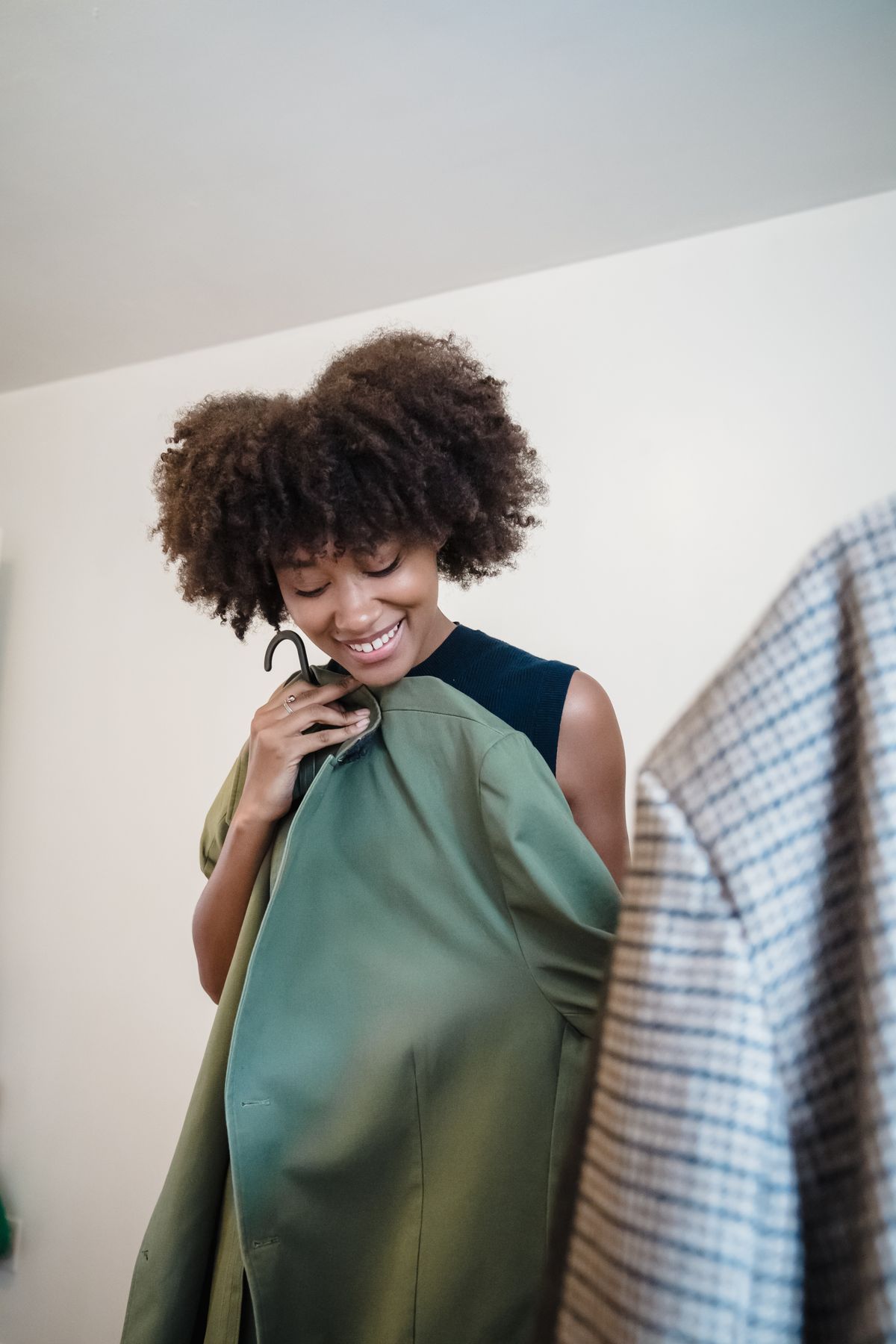
An underused garment deserves a short, specific experiment before you decide it has no place in your wardrobe.

Wardrobe planning
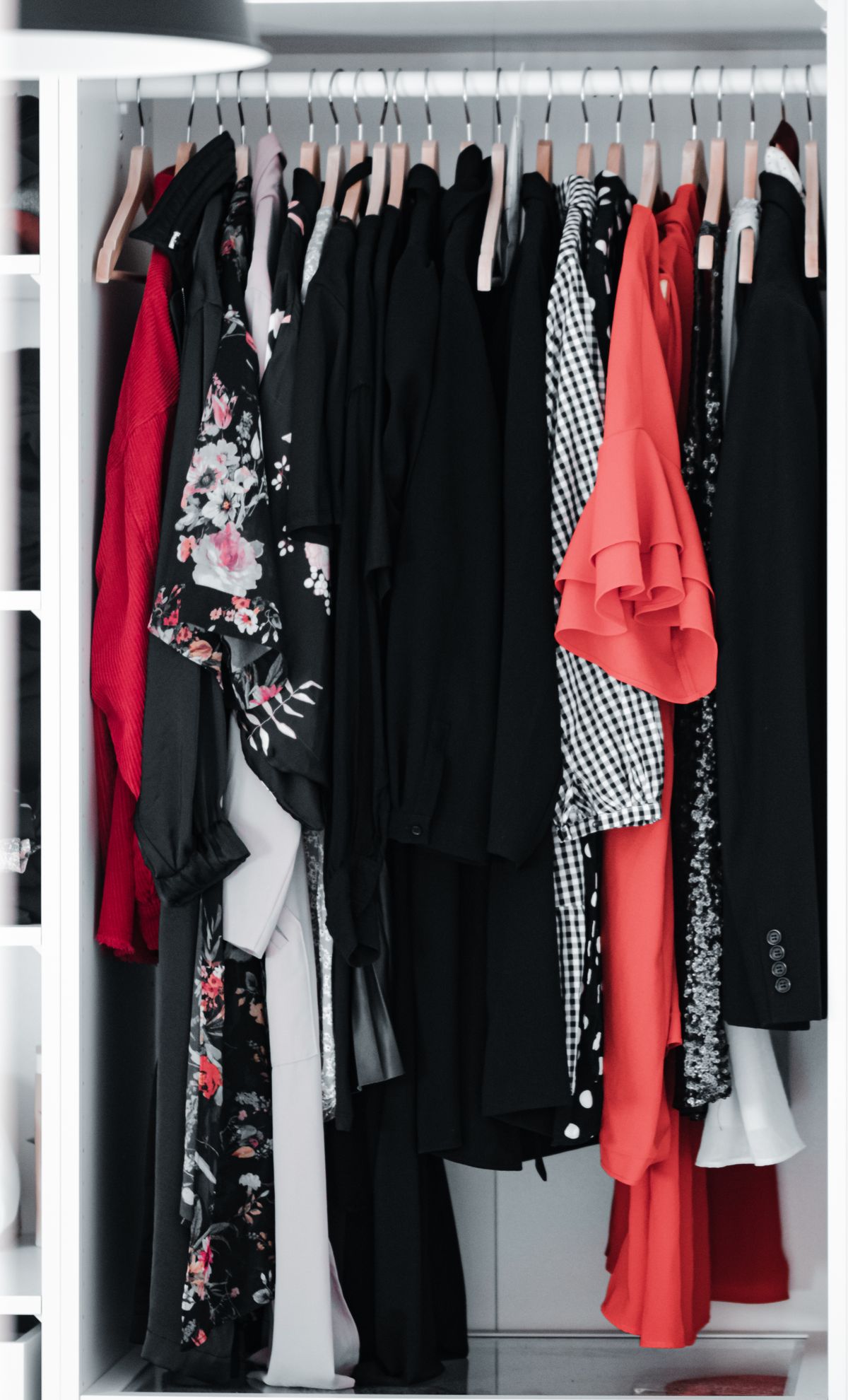
Planning clothing purchases over time starts with noticing wear, weather and actual gaps, rather than predicting every outfit you might want.
Wardrobe planning
A shared wardrobe works more smoothly when each person can reach their clothes and understands where the shared boundaries are.
Clothing care
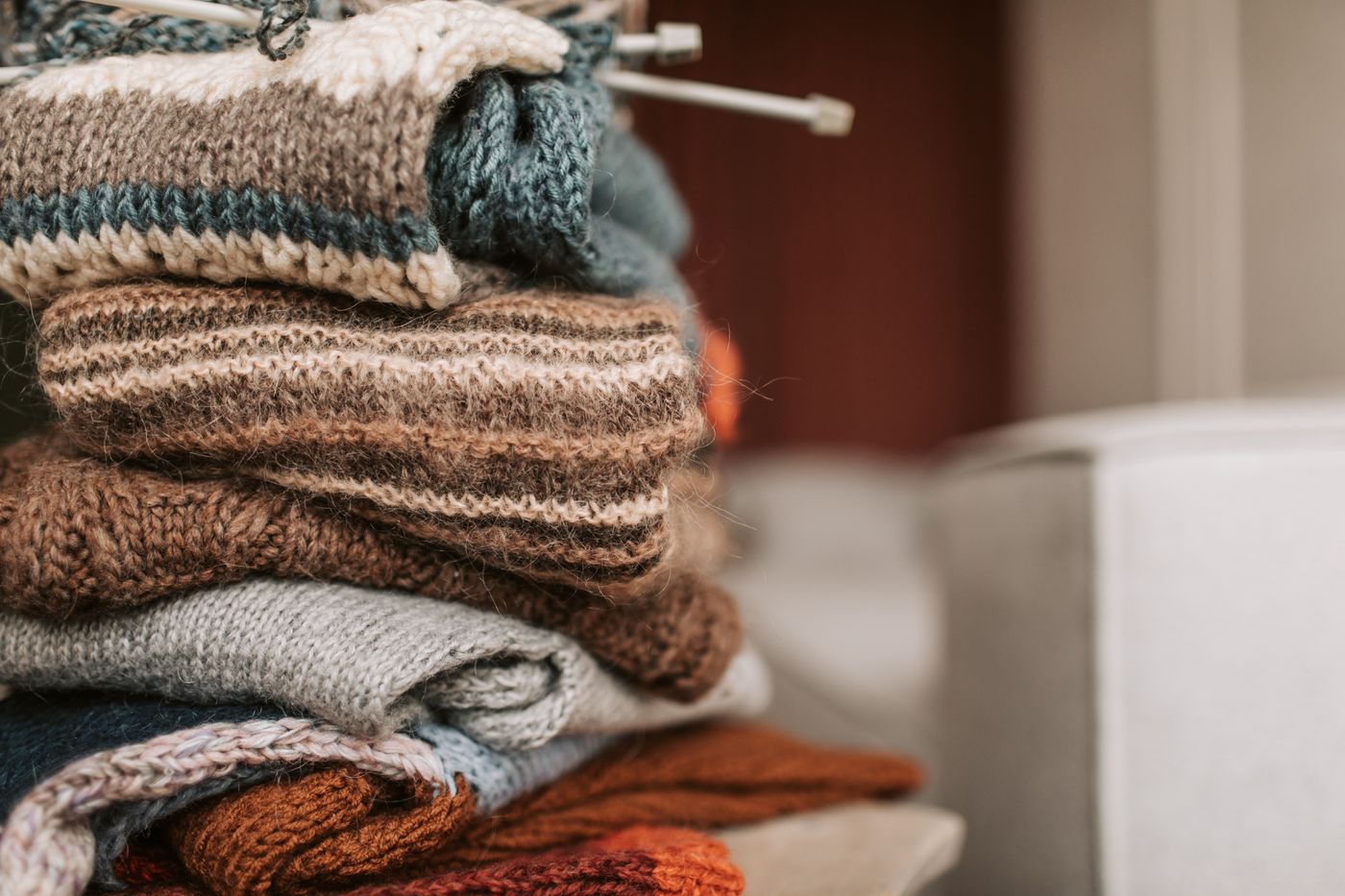
A wool jumper needs a care decision before it needs a wash. Start with its label, then choose a method that suits the garment rather than treating all wool alike.
Clothing care
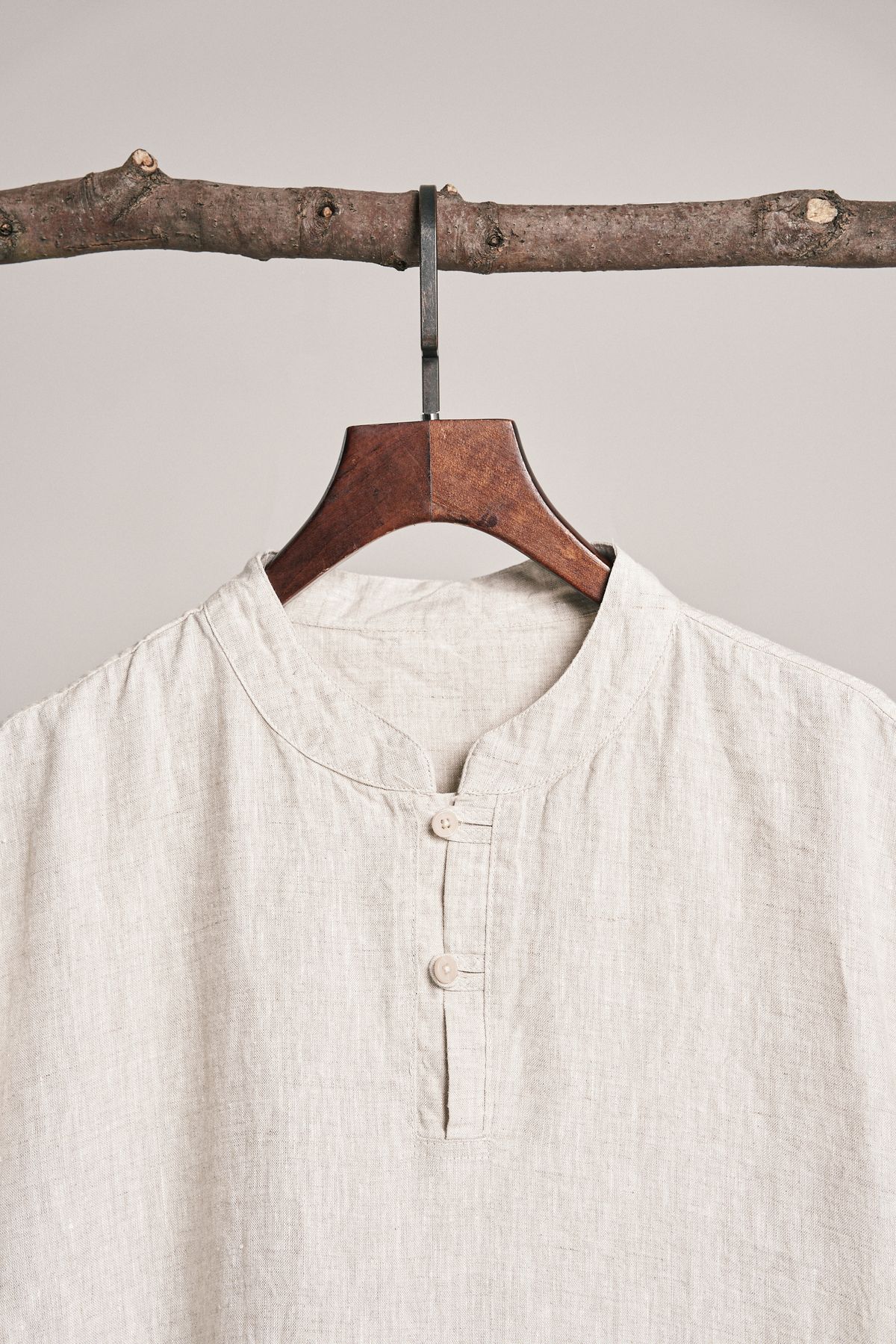
Linen acquires creases as you wear it. Deciding which ones matter is often more useful than trying to keep every fold out of the fabric.
Clothing care
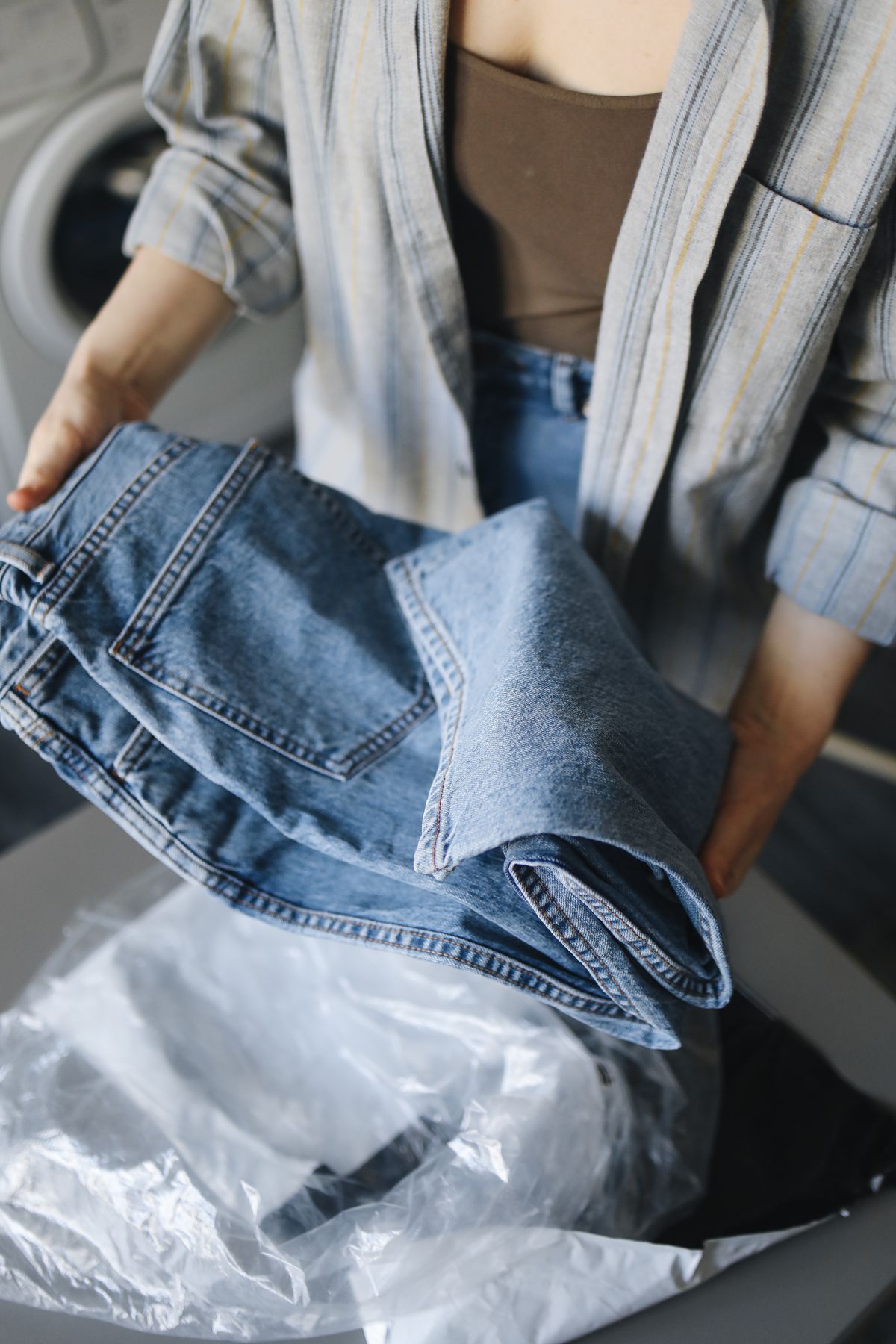
There is no useful universal number of wears for every pair of jeans. Your day, the fabric and the condition of the jeans are better starting points.

Clothing care
Silk on the fibre label does not tell you everything about cleaning a garment. Colour, construction and decoration can change the decision.
Clothing care
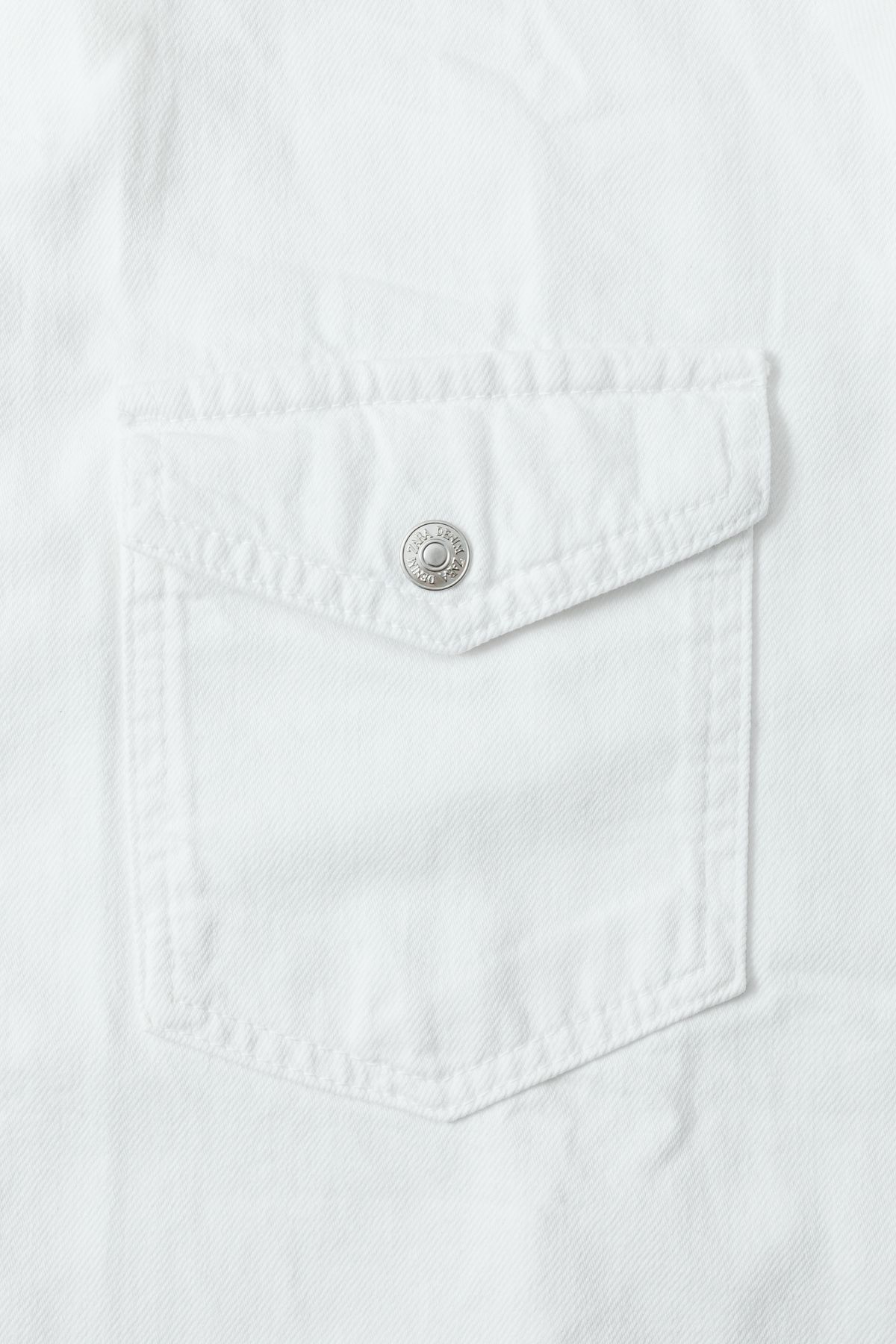
A small rotation of cotton shirts works best when each shirt gets enough time to be cleaned, dried and checked before its next outing.
Clothing care
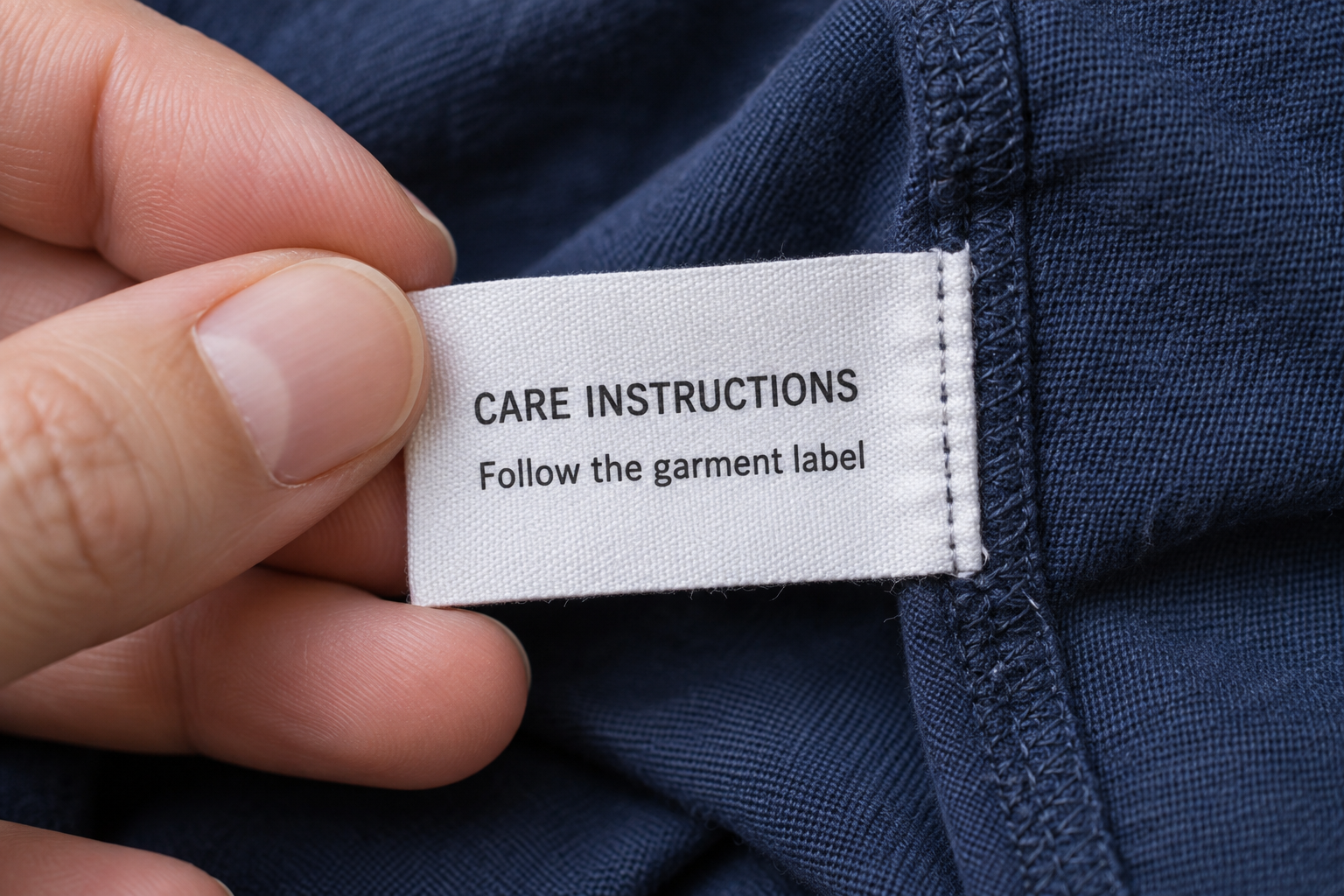
A care label is a set of instructions for the complete garment. Read it before choosing a wash, not after something has changed shape.
Clothing care
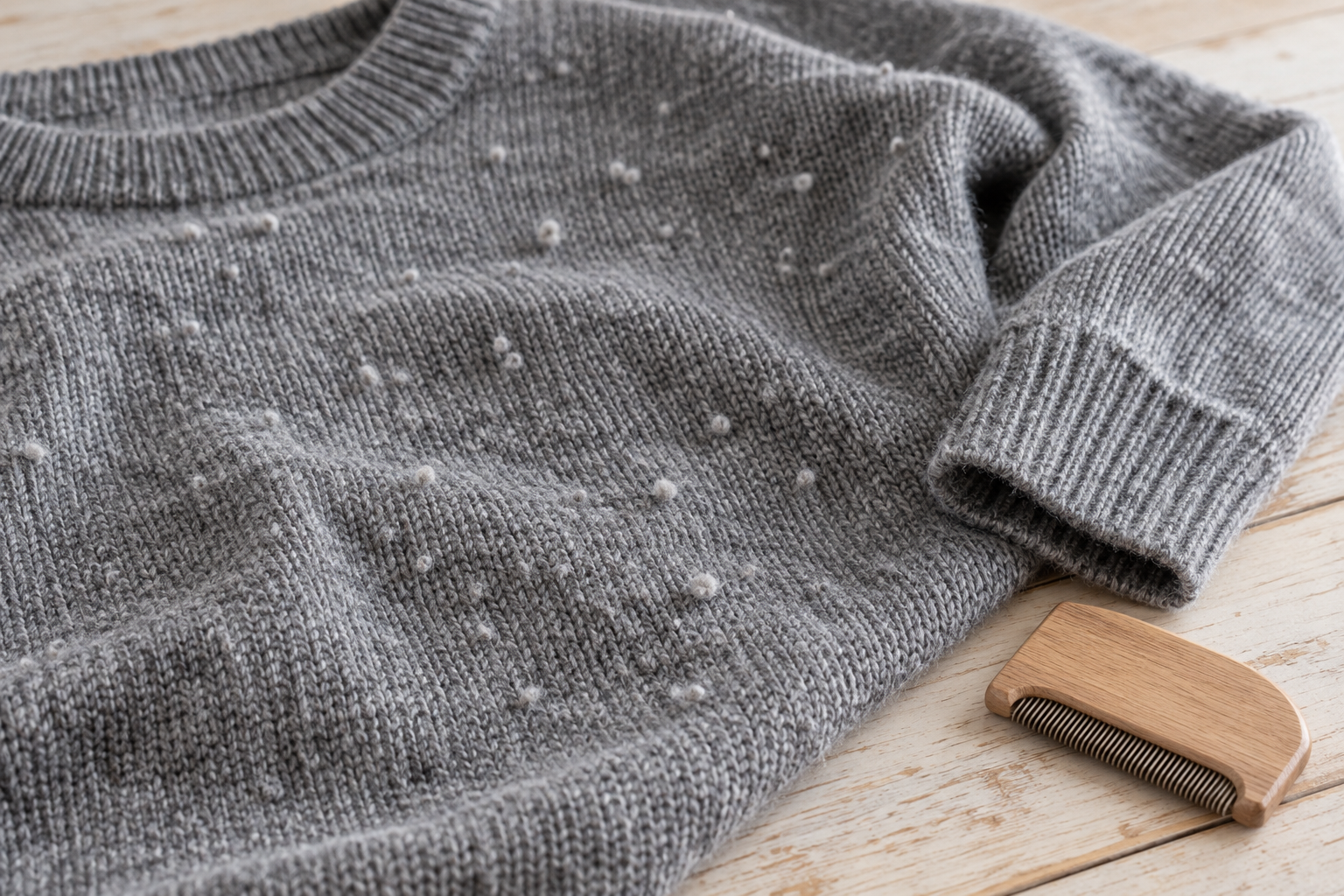
Bobbles often collect where knitwear rubs against itself or another surface. Removing them carefully can tidy a jumper without treating the whole garment as a failure.
Clothing care
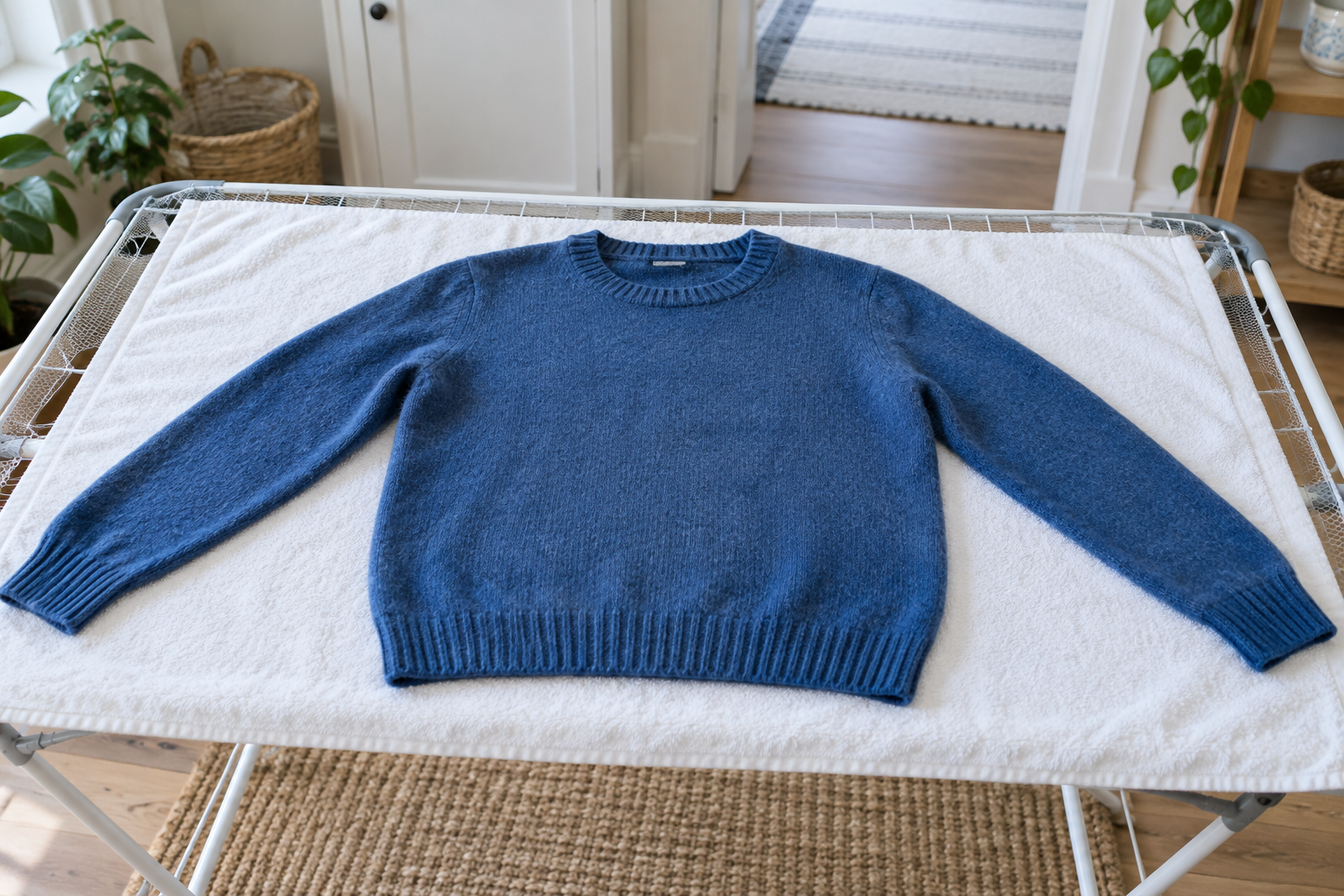
Flat drying becomes much easier when you decide where the wet garment will go before starting the wash. The space needs to support both the fabric and its moisture.
Clothing care
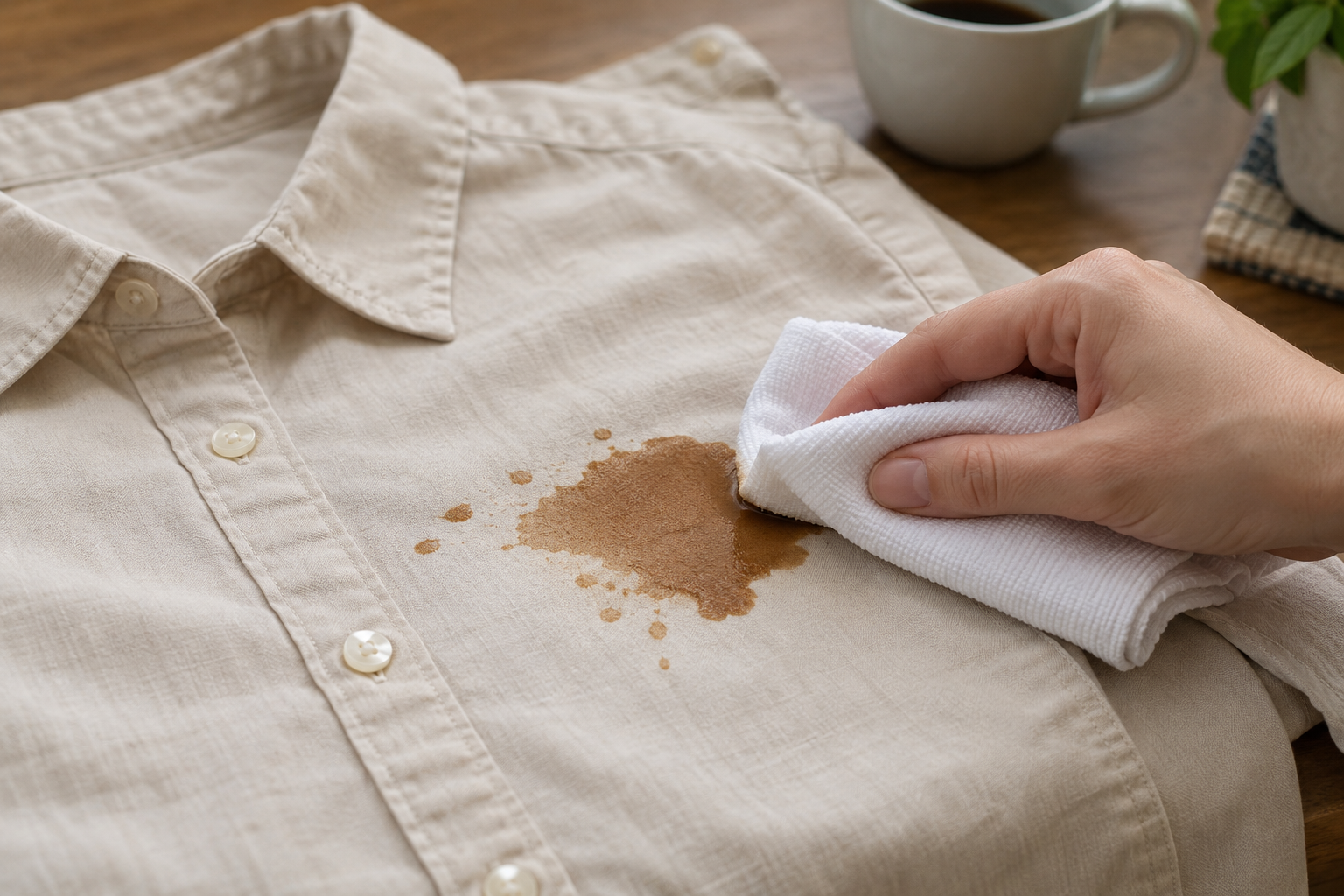
A spill invites a quick reaction, but the wrong treatment can create a second mark. Start by containing the mess and identifying what you are handling.
Clothing care
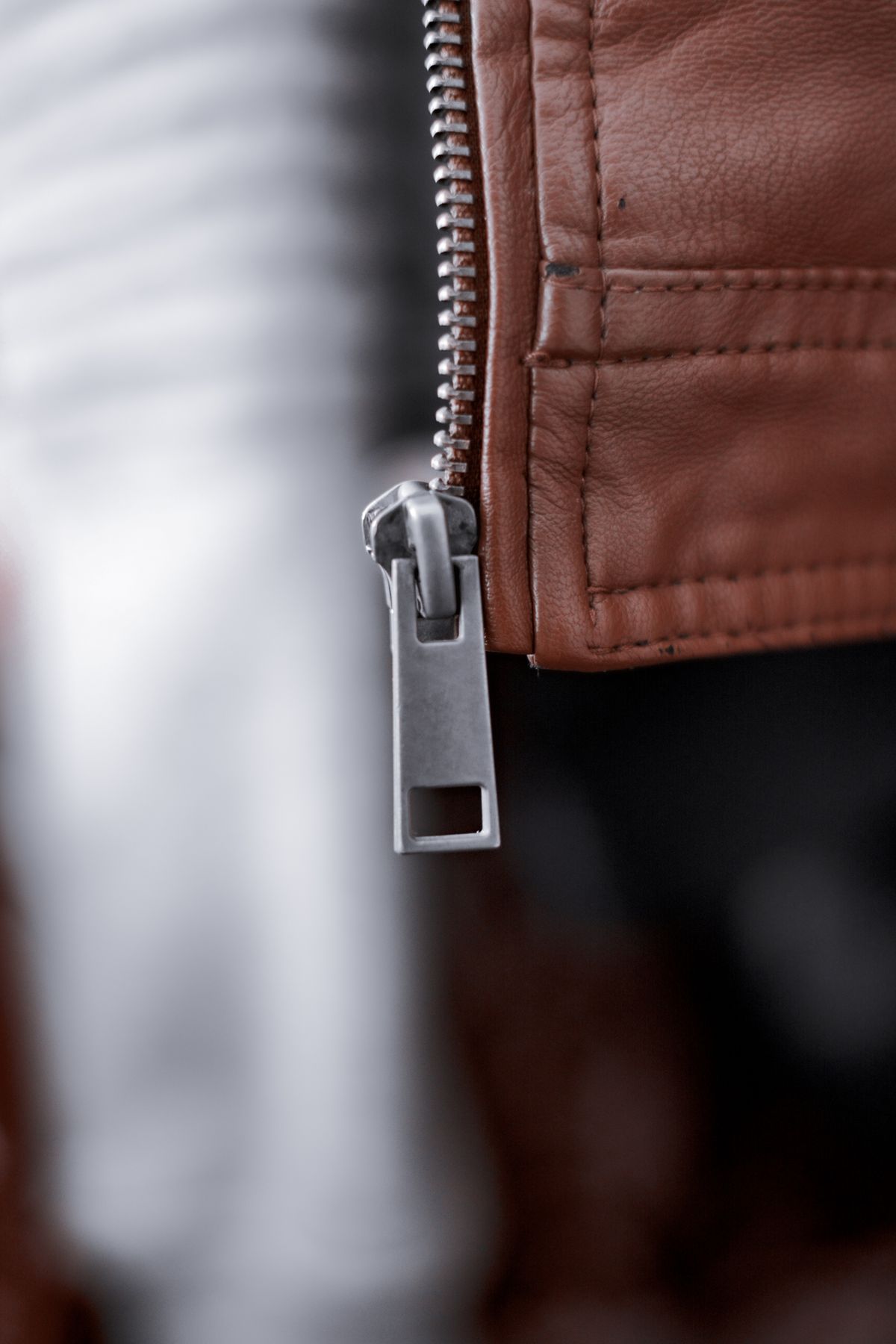
A zip usually benefits from a straight, unhurried movement. When it resists, look for the cause before applying more force.
Clothing care
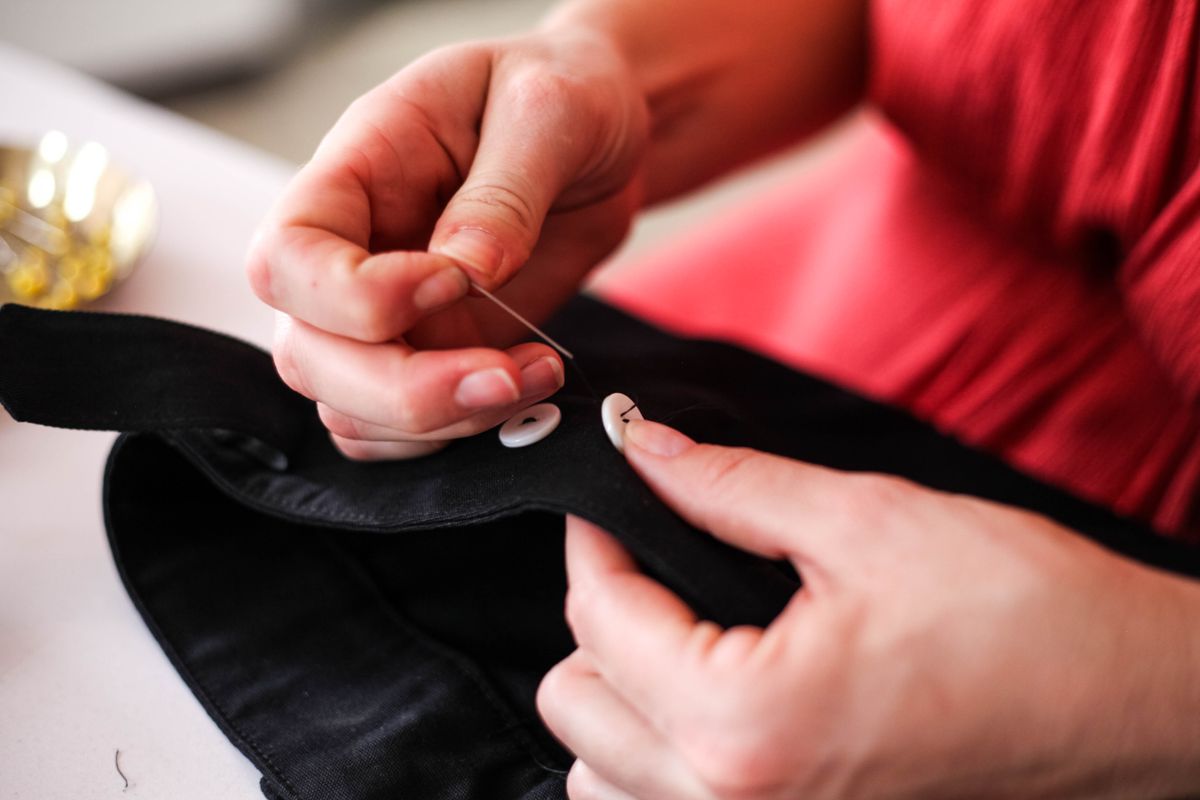
A missing shirt button is a small repair, provided the surrounding fabric is sound. Matching its size and placement matters more than finding a perfectly invisible thread.
Clothing care
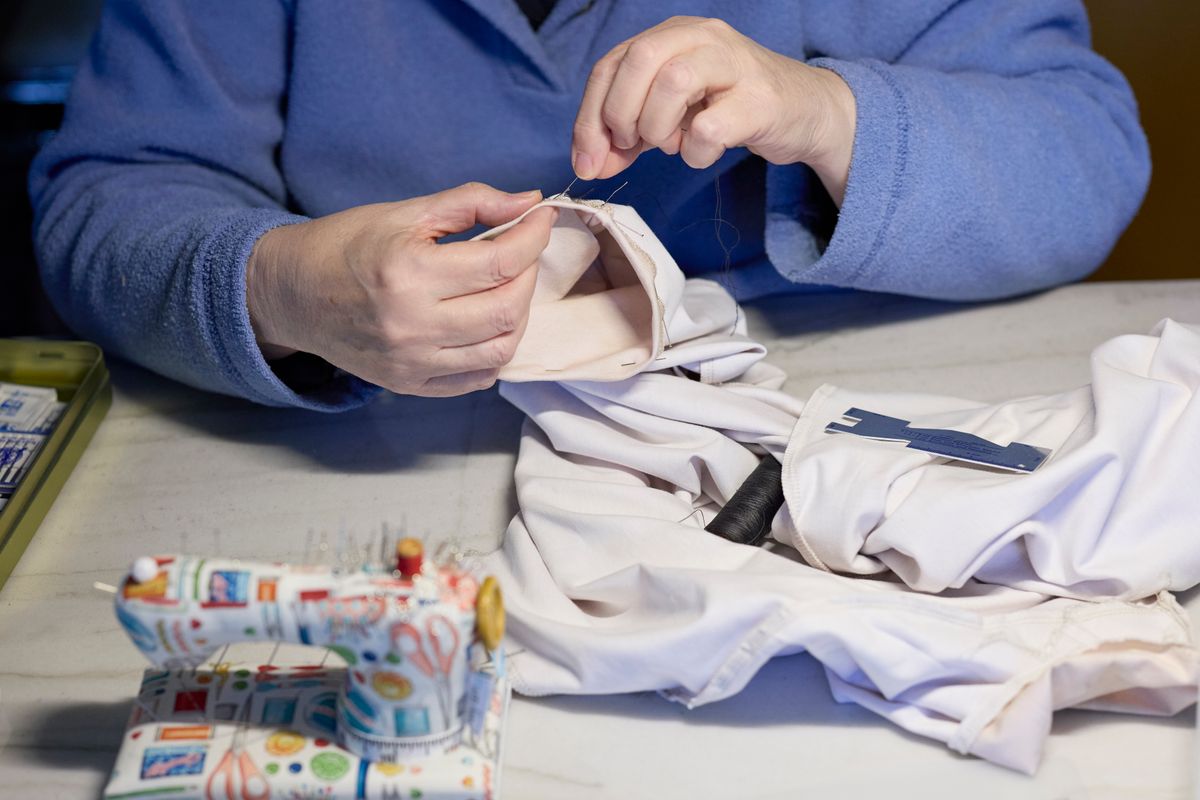
A loose hem is easier to assess while only a short section has come undone. First establish whether the stitches failed or the fabric itself has been damaged.
Clothing care
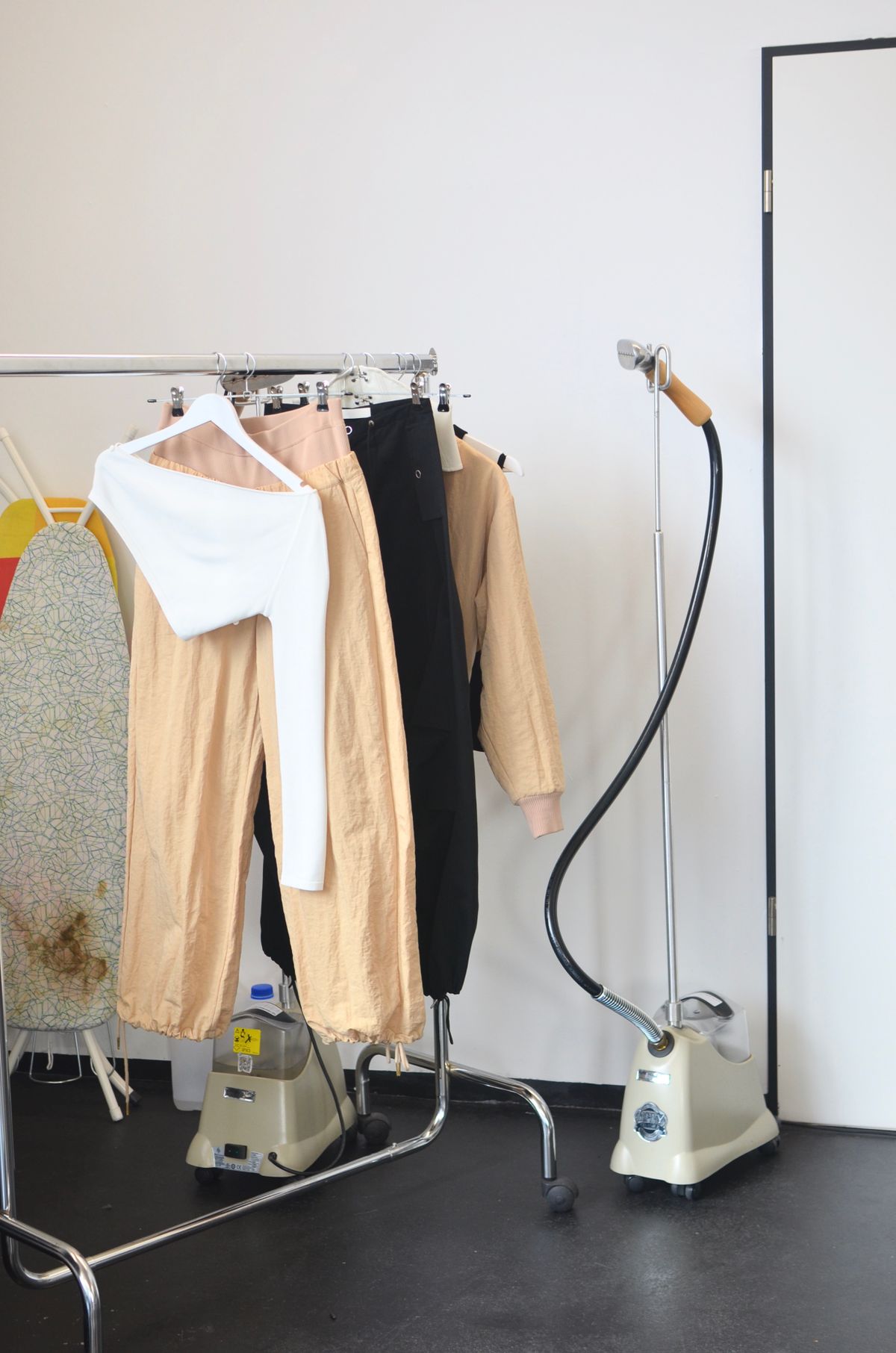
A steamer and an iron overlap, but they do not produce exactly the same finish. Choose according to the garment, the crease and the way you will use it.

Clothing care
Dark clothes do not all fade in the same way. The most useful routine starts with compatible care and fewer avoidable sources of rubbing or colour transfer.
Clothing care
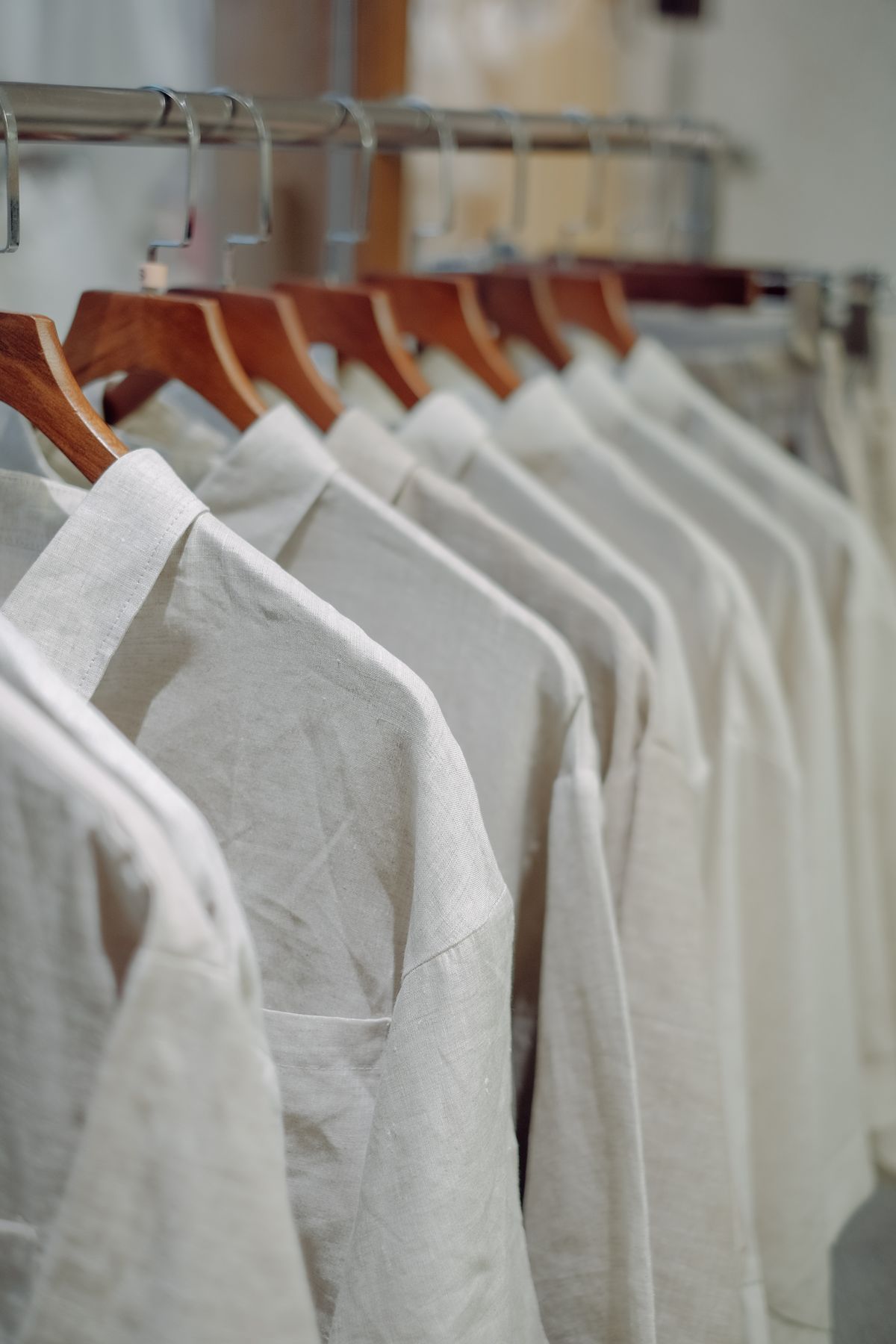
A wearable white shirt does not have to be treated as a special occasion object. A few checks before laundering are more useful than increasingly strong attempts to brighten it.
Clothing care
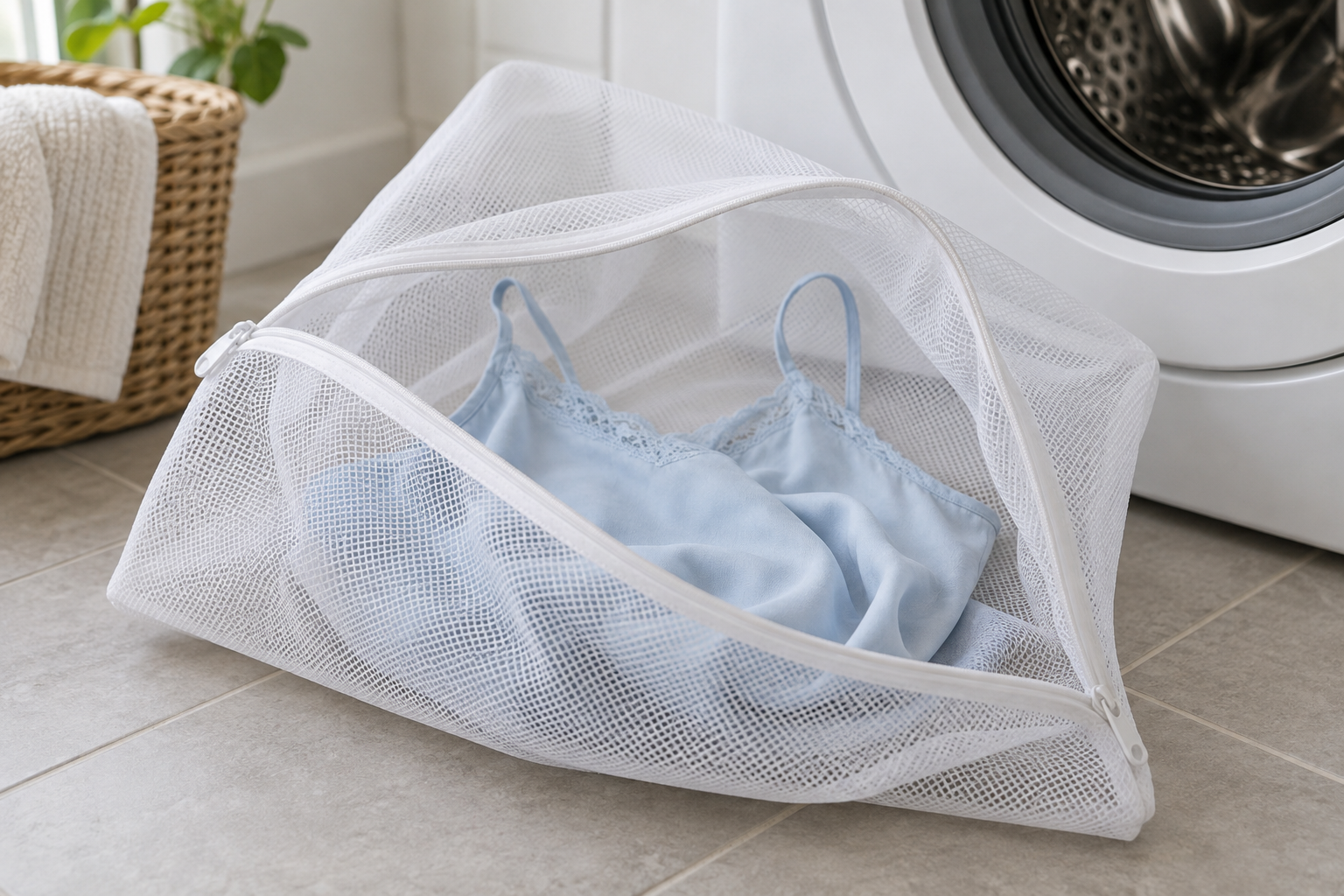
Delicate washing is partly about what shares the load. A gentle programme cannot compensate for sharp fastenings, incompatible colours or a garment that should not be machine washed.
Clothing care
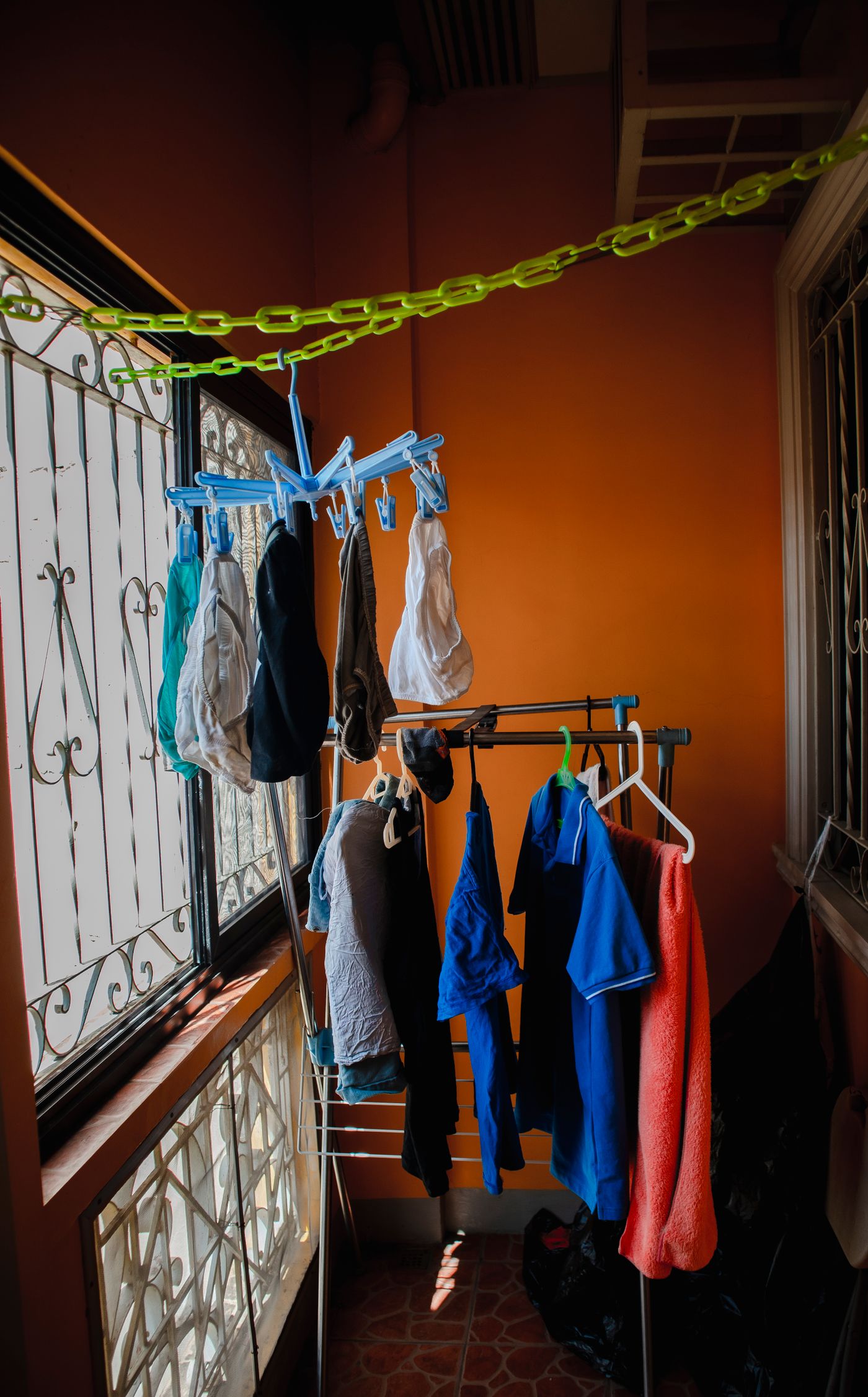
Not every lightly worn garment needs an immediate wash, but airing has limits. Use it as a pause between wears, not as a way to ignore dirt.
Clothing care
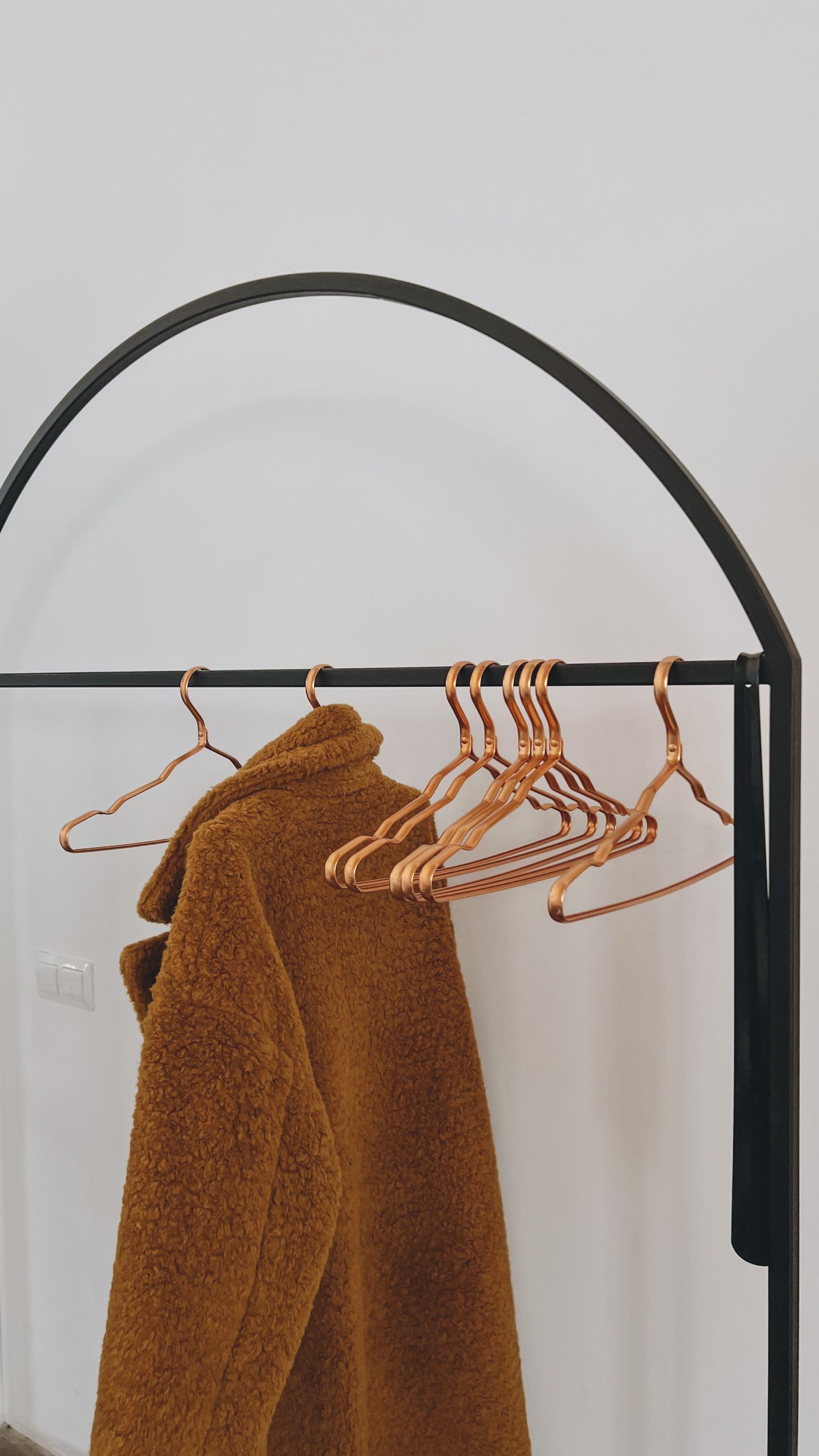
Putting away a winter coat is a good moment to inspect it without the pressure of needing it tomorrow. Cleaning, small repairs and suitable support matter more than elaborate storage accessories.
Clothing care
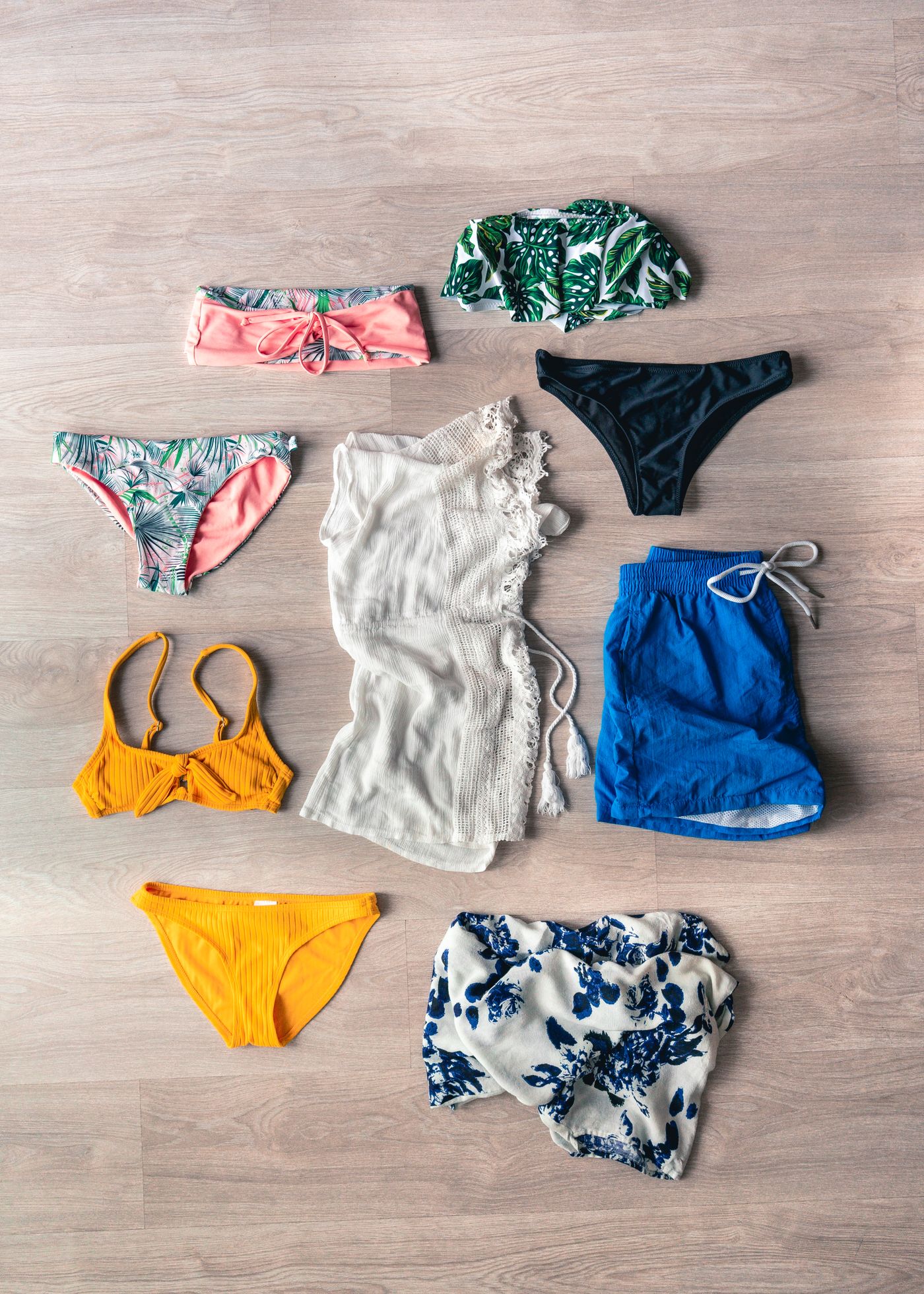
A swimsuit spends time in conditions that ordinary day clothes do not. A prompt rinse and an unhurried drying routine help you avoid leaving it wet and forgotten.
Clothing care
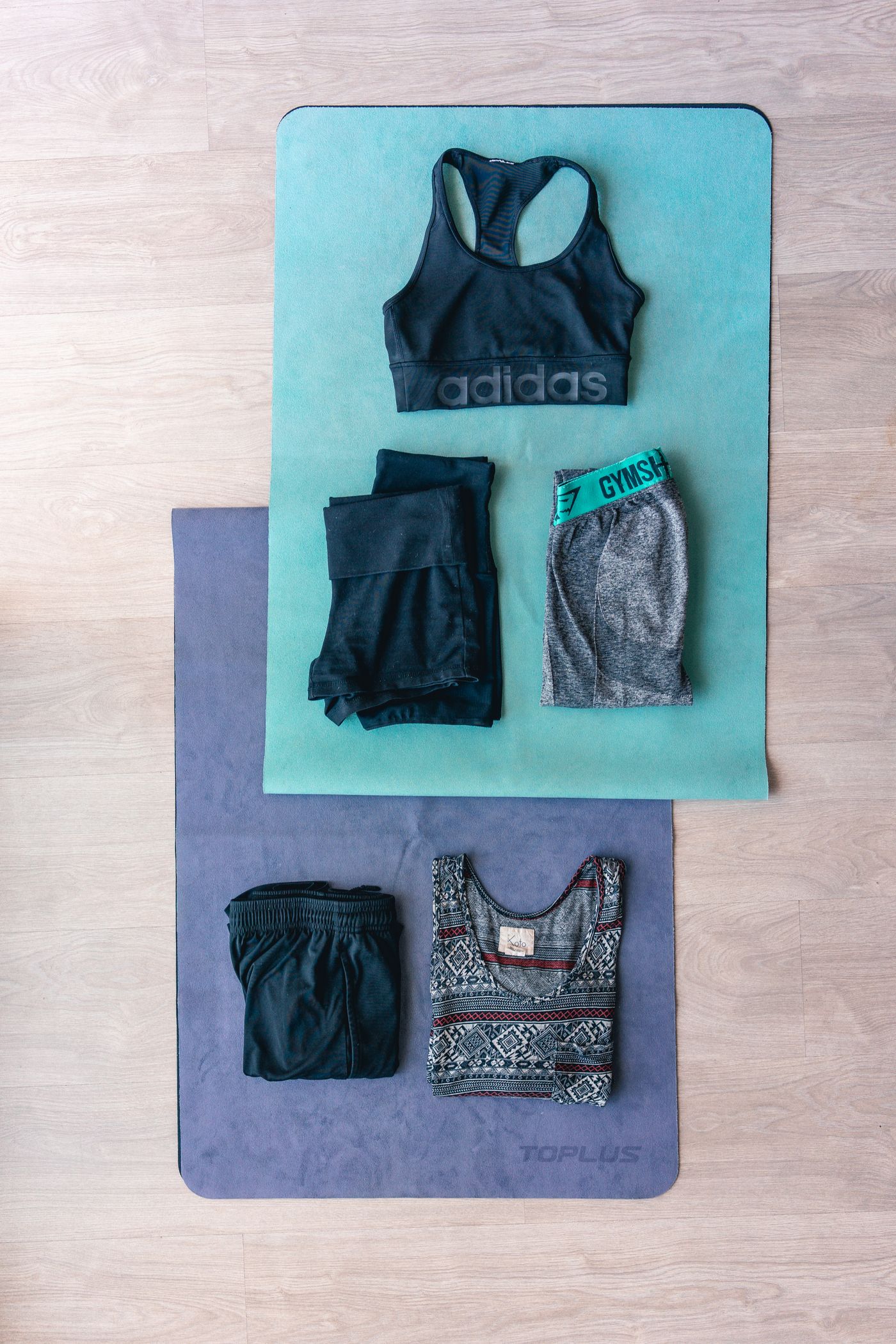
Sportswear is easiest to manage when damp kit does not spend days in a closed bag. Begin the routine when you unpack, then let the care label guide the wash.
Clothing care
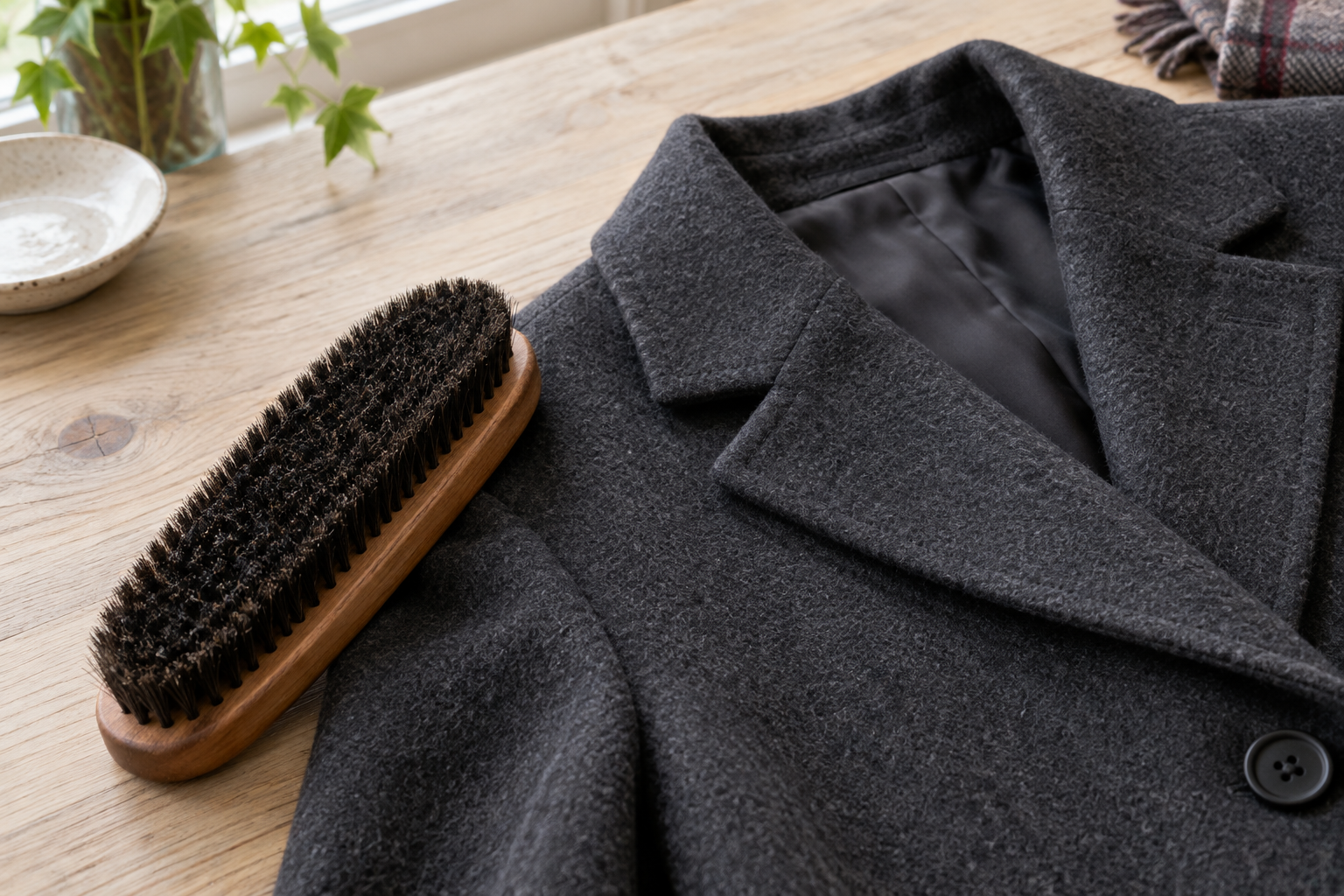
A clothes brush is useful for some loose surface dirt, especially on robust woven wool. It is not a universal tool for every textured garment.
Clothing care
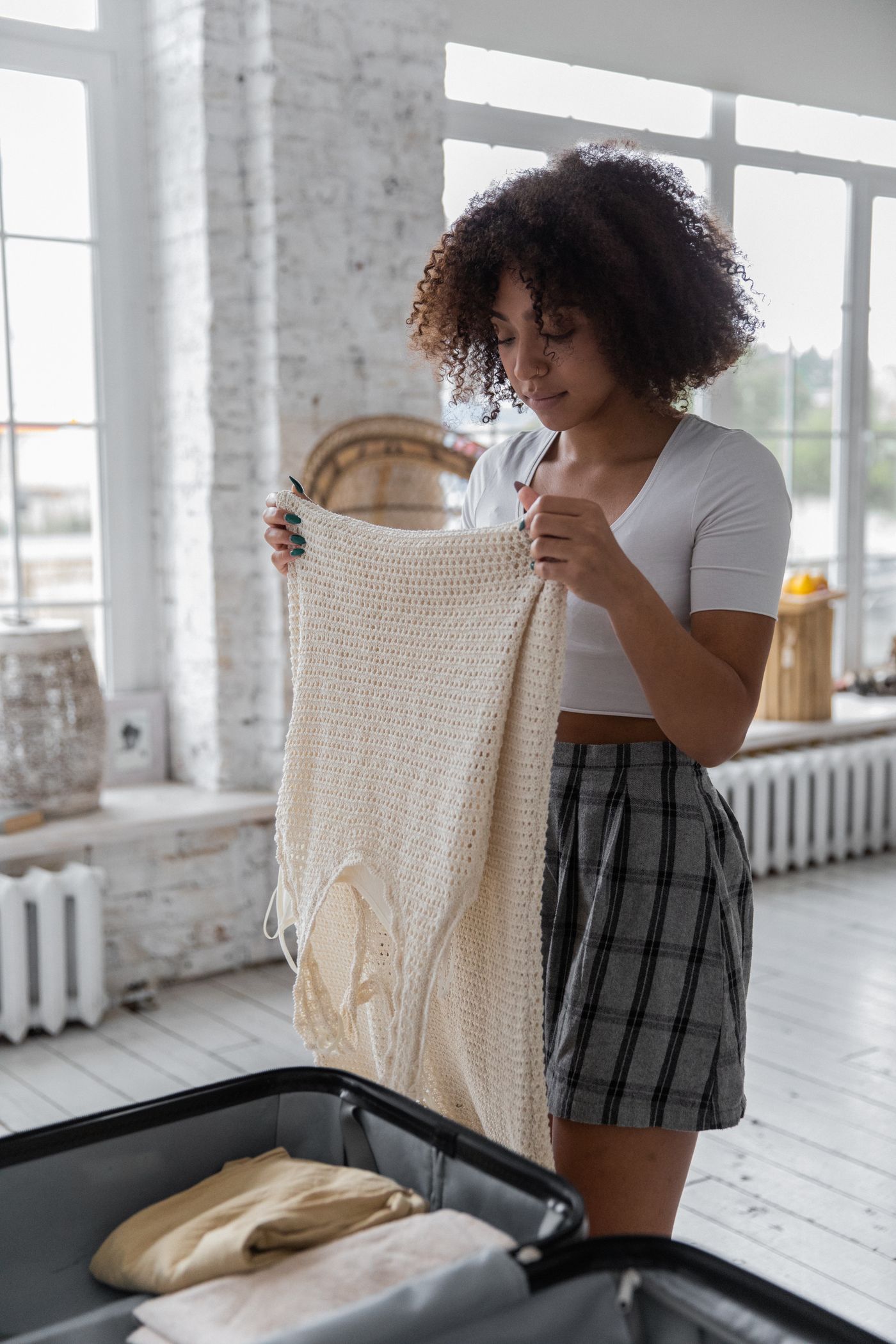
Unpacking promptly gives clothes a chance to settle before you decide which creases need work. Some folds relax with hanging; others need a permitted finishing method.
Shoes & finishing touches
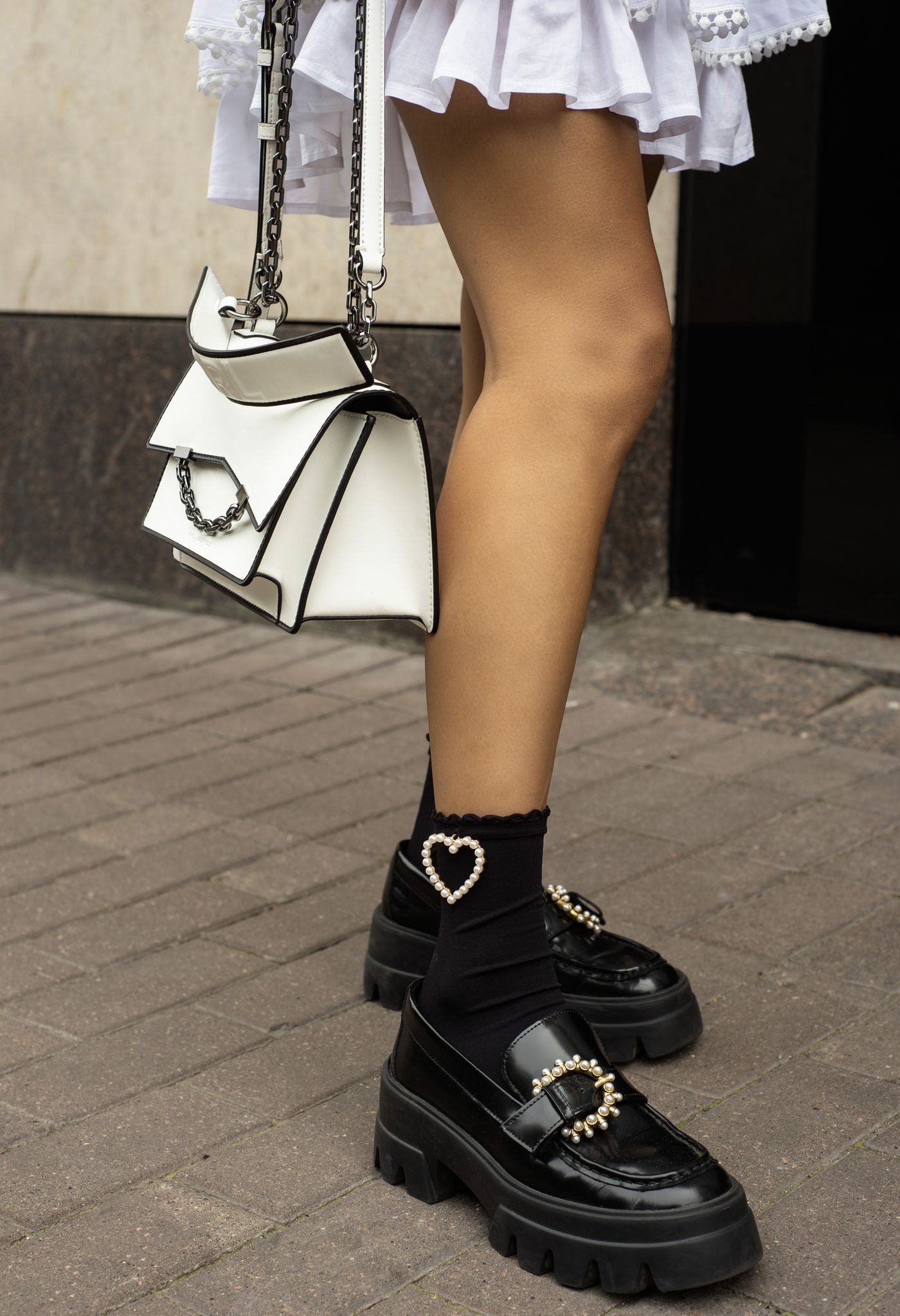
Loafers can sit between very casual trainers and more formal shoes. The useful pair is the one that feels secure on your foot and works with the hems you already wear.
Shoes & finishing touches
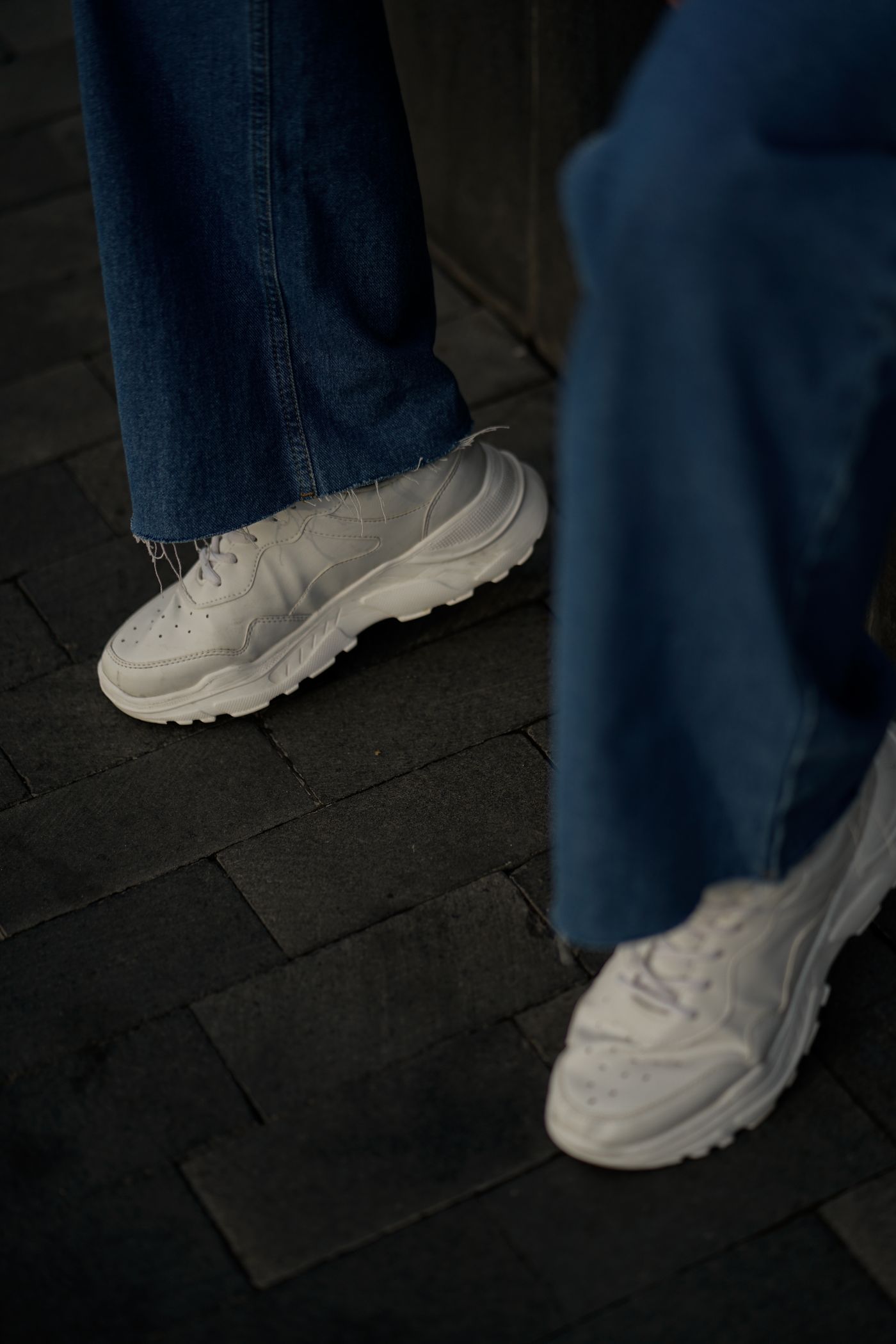
White trainers can connect many casual outfits, but the shape of the shoe matters as much as the colour. Start with the pair you actually find comfortable.
Shoes & finishing touches
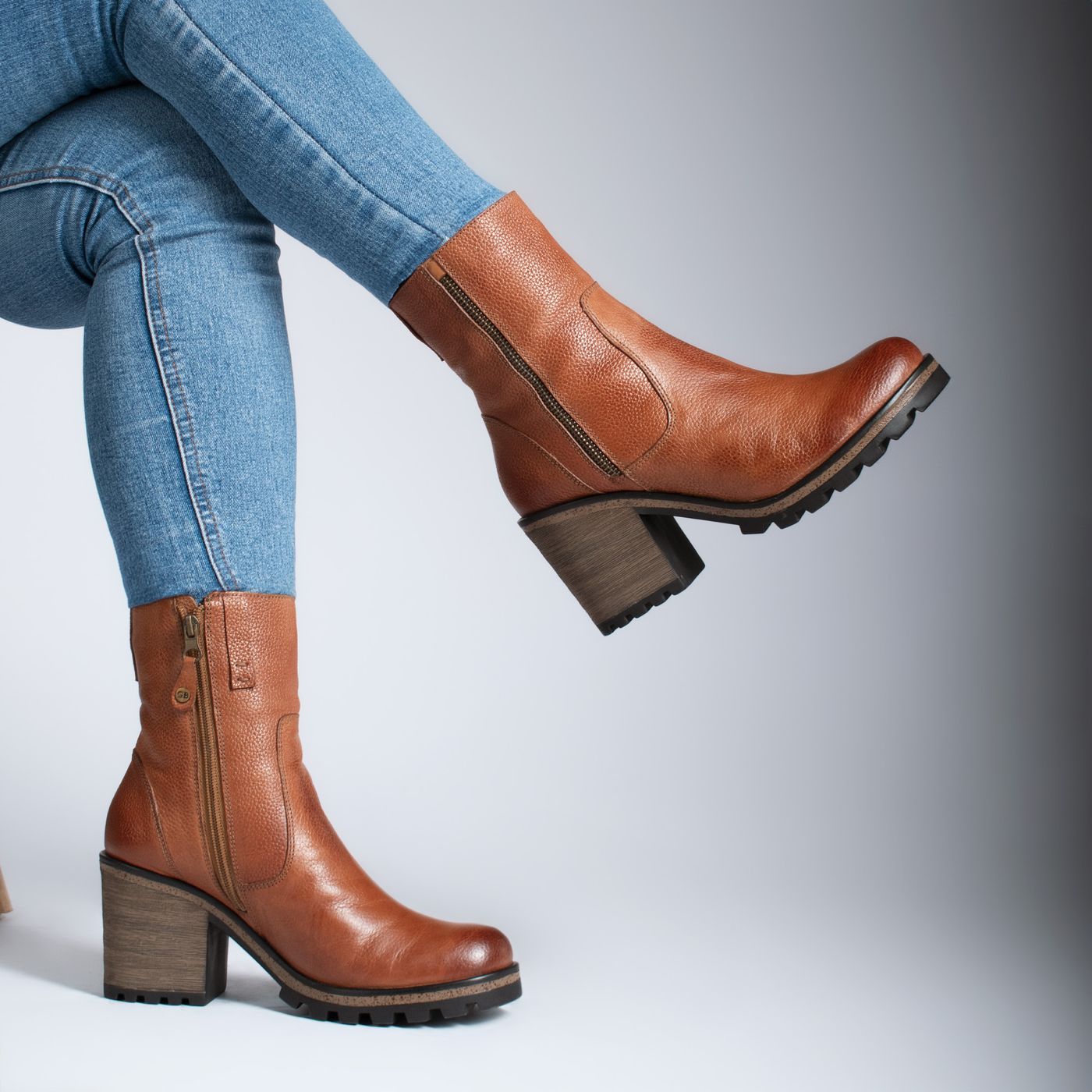
The join between an ankle boot and a trouser hem can make an outfit easy or irritating. A short walk usually tells you more than a long look in the mirror.

Shoes & finishing touches
Ballet flats can be a light alternative to heavier shoes. Choose the fit and sole for your day before deciding how delicate the rest of the outfit should look.
Shoes & finishing touches
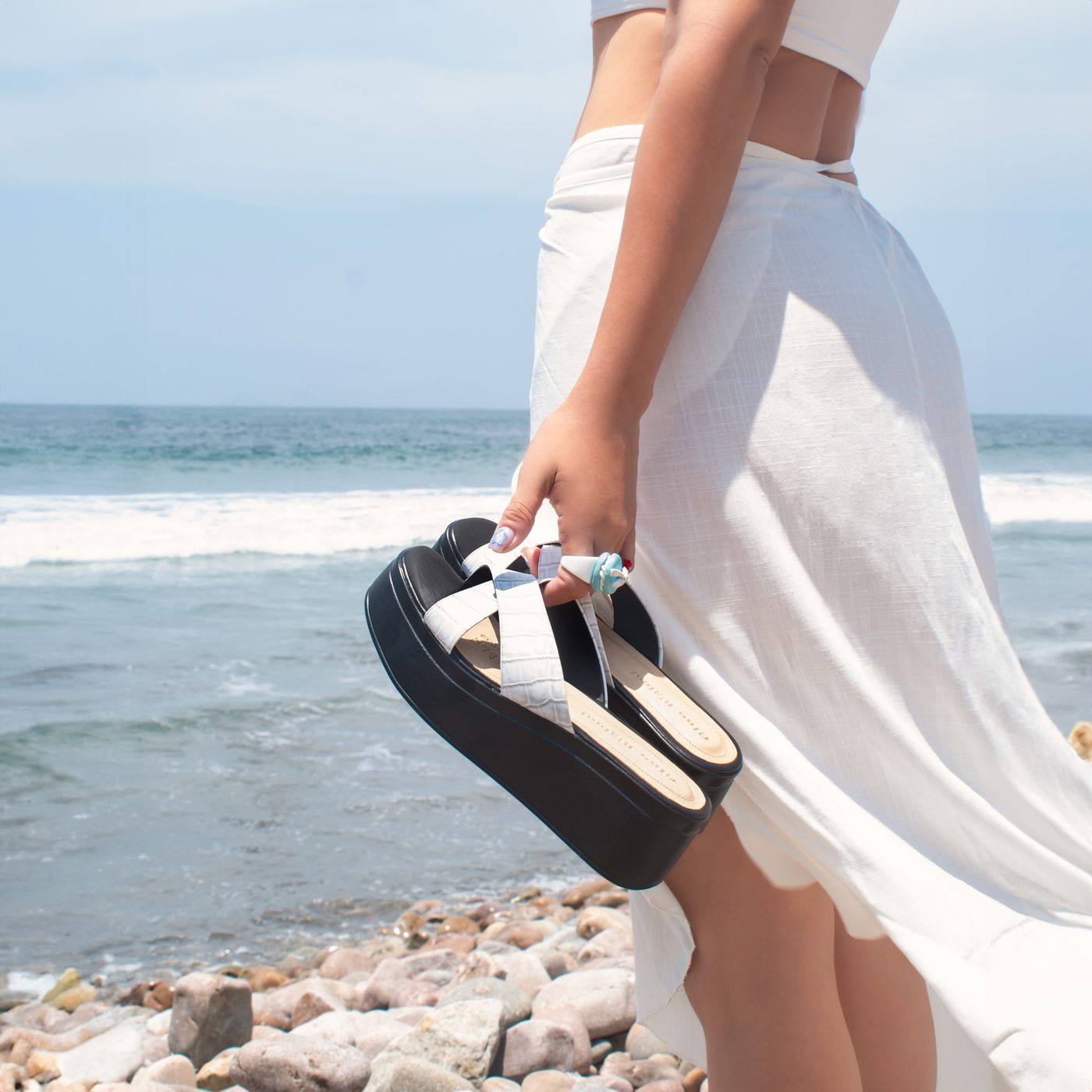
A sandal for a day on foot needs more than a pleasant colour. Test how it stays attached to your foot and how it behaves with the clothes and route you have planned.
Shoes & finishing touches
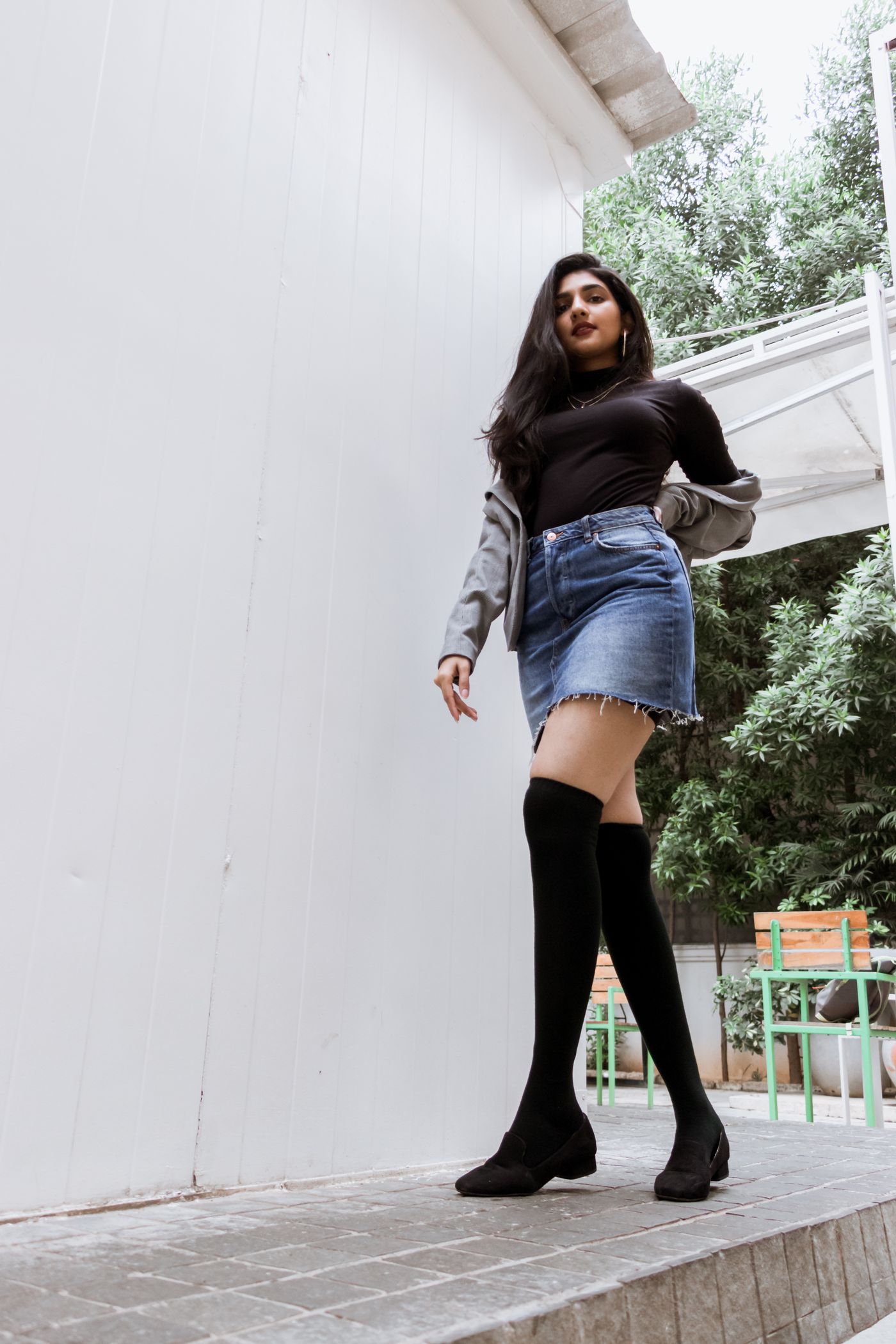
Tall boots can make a skirt useful in cooler weather. The space around the calf and the way the skirt moves over the boot are the first things to check.

Shoes & finishing touches
A belt can mark a waistband or gather a loose layer. Its width should suit the garment and the way you move, rather than follow a fixed rule about body shape.

Shoes & finishing touches
A small silk scarf can add colour without becoming the largest part of an outfit. Try one use at a time and choose a knot that feels comfortable rather than elaborate.

Shoes & finishing touches
A winter scarf should work with your coat fastened as well as open. Warmth, bulk and the position of the collar matter more than the complexity of the knot.
Shoes & finishing touches
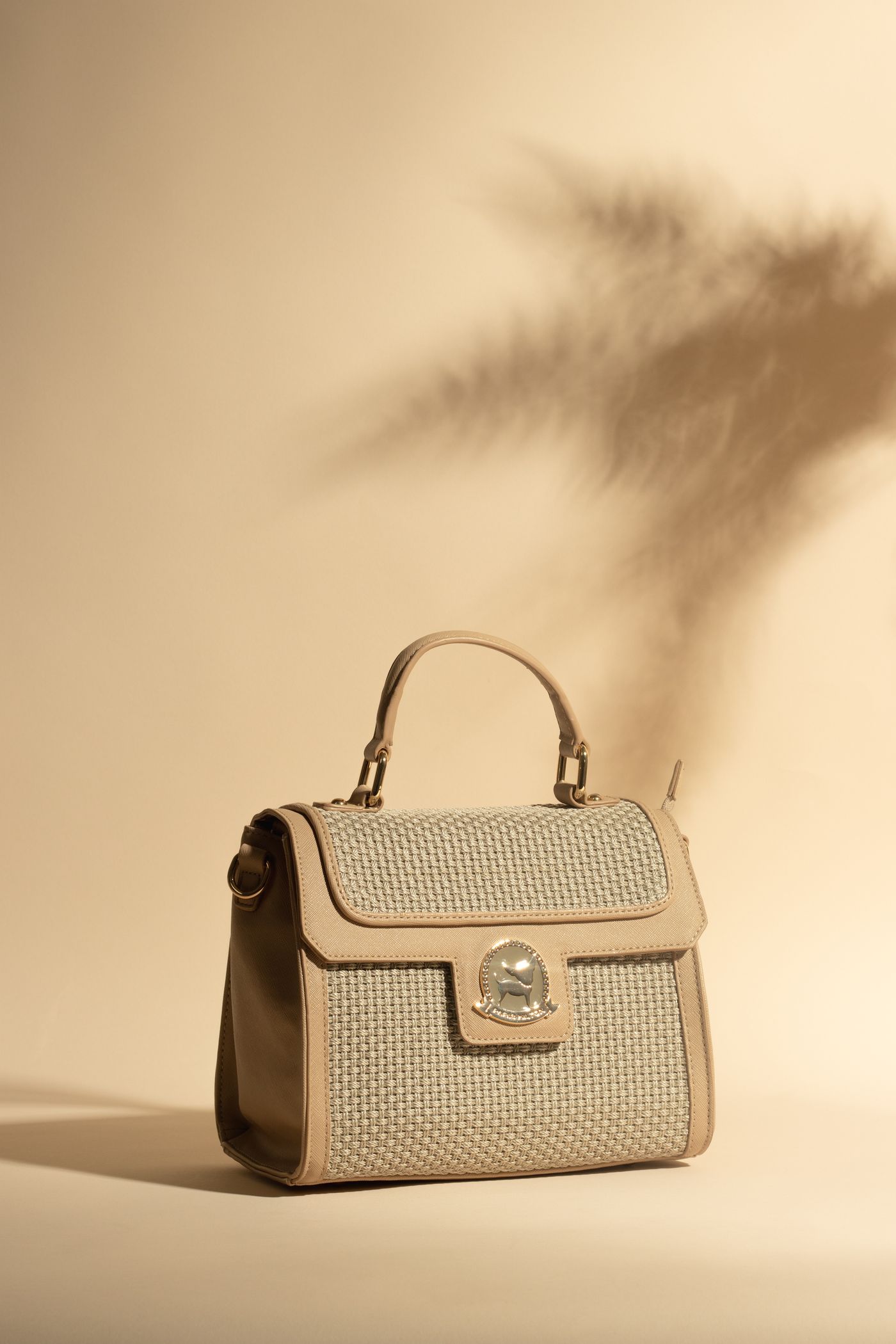
An everyday bag is useful when its opening, straps and pockets suit the things you carry. Begin with those items rather than an empty bag on a shelf.

Shoes & finishing touches
A crossbody bag changes position as you walk, sit and put on layers. Adjust it for the clothes and contents you are actually carrying, not just for a photograph.
Shoes & finishing touches
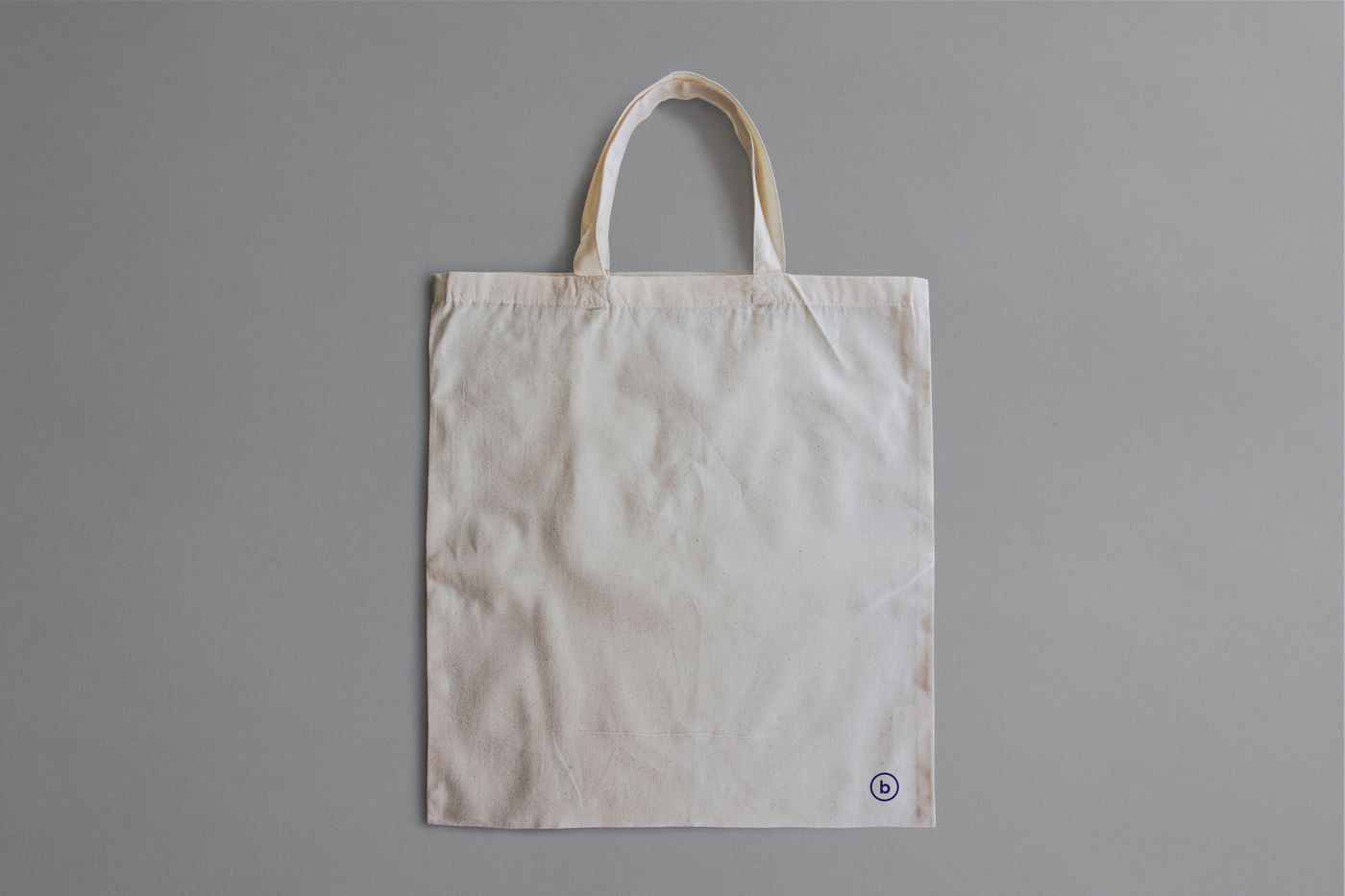
A work tote needs to carry your actual working day. Check the opening, the weight and the journey before choosing one by its outside dimensions.

Shoes & finishing touches
A small evening bag works best when you decide what must fit before choosing the outfit around it. The rigid shape of a phone often matters more than the number of pockets.
Shoes & finishing touches
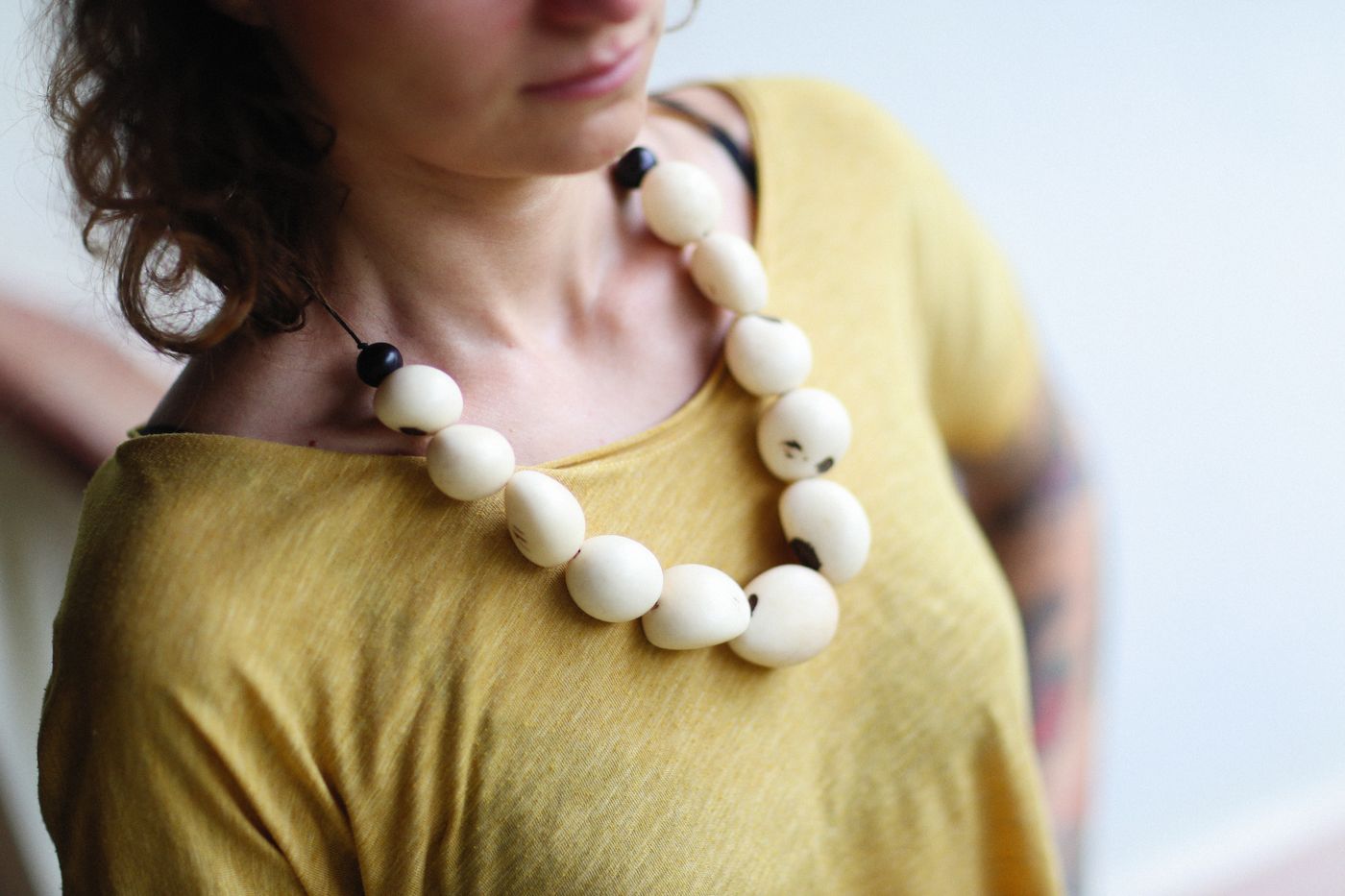
A necklace can follow a neckline or sit clearly apart from it. Try the actual pieces together: a small difference in length can change where a pendant lands.

Shoes & finishing touches
Gold-coloured and silver-coloured jewellery can be worn together. Begin with the pieces you like and look for a connection in scale, shape or repetition.

Shoes & finishing touches
Glasses already create a visible shape near your face. Earrings can echo that shape, contrast with it or remain a small detail in the background.
Shoes & finishing touches
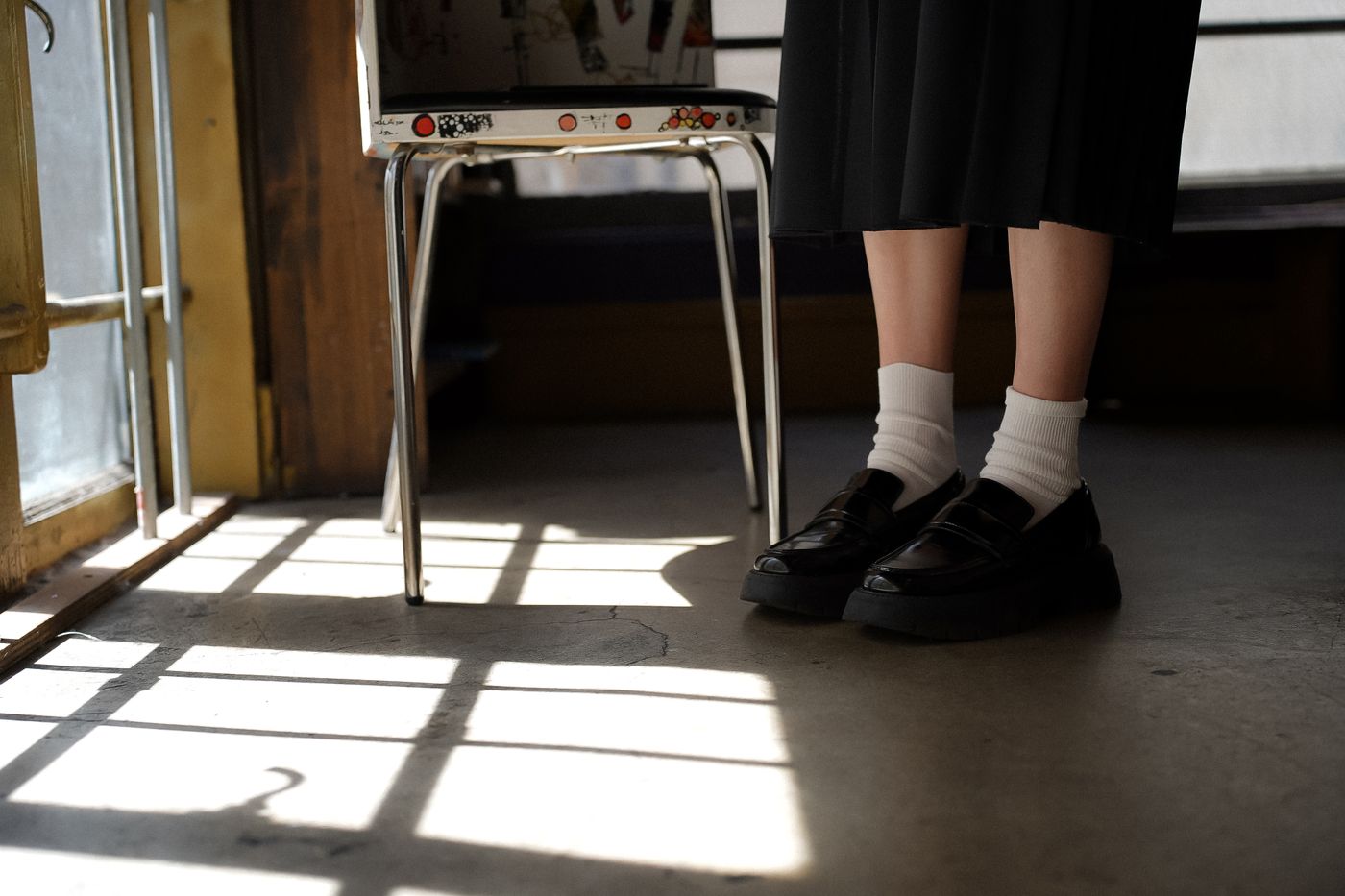
Visible socks can be part of an outfit rather than something to hide. Their thickness and height need to work with the shoe before you think about colour.
Shoes & finishing touches
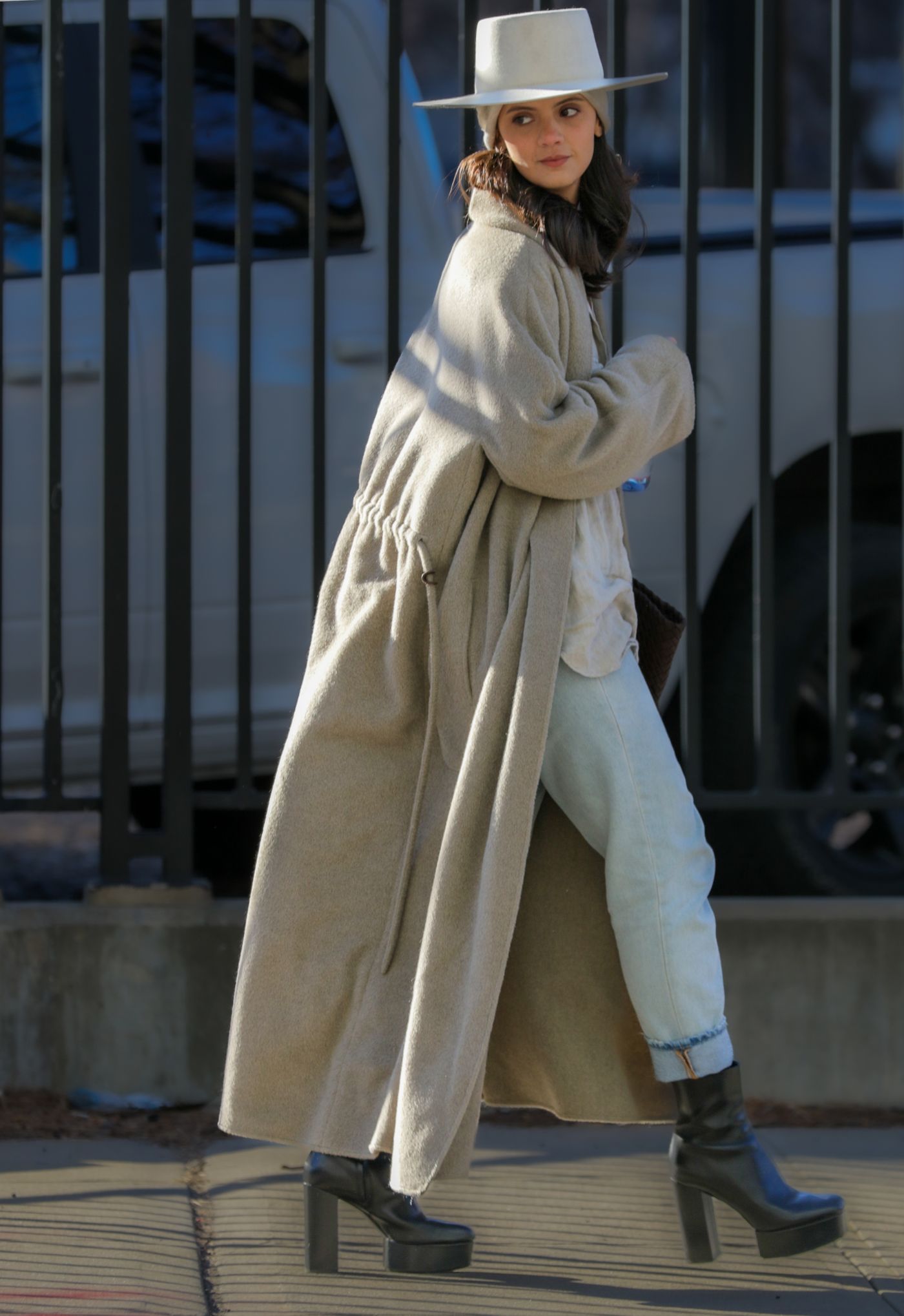
A hat and coat share the most visible part of a winter outfit. Try them together with the scarf and bag you will actually use before deciding that either piece is wrong.

Shoes & finishing touches
An umbrella, a bag and a coat have to work together on a wet day. A few checks before leaving can save you from carrying damp things awkwardly for the rest of the journey.

Shoes & finishing touches
A small shoe-care kit is most useful when it matches the shoes you own. Several targeted tools are better than a cupboard of products with unclear jobs.
Shoes & finishing touches
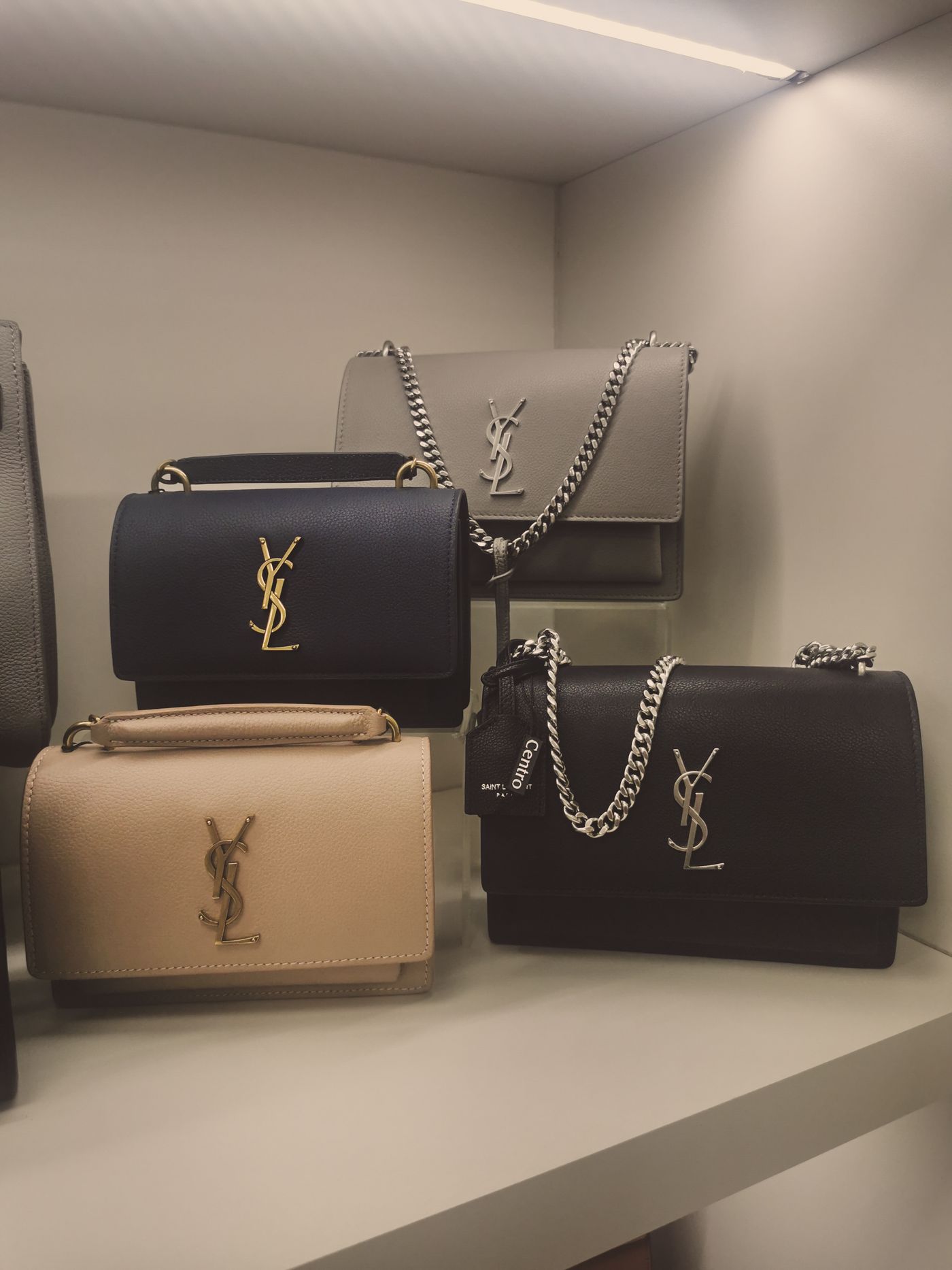
Bags keep their shape more easily when storage supports them without pressure. Start by removing what is inside, then choose a place that suits the material and construction.

Dressing for plans
The journey and the desk can feel like different seasons. Build an outfit that still looks complete when its warmest layer comes off.

Dressing for plans
A commute adds walking, seats, bag straps and weather to a work outfit. Those details deserve a place in the morning decision.

Dressing for plans
Casual Friday can mean different things in different workplaces. Use the people, tasks and meetings around you as clues before changing the whole outfit.

Dressing for plans
Choosing an interview outfit early leaves time to check fit, care and travel details. It also removes one avoidable decision from the morning.

Dressing for plans
The invitation, venue and travel plan are more useful starting points than a generic list of wedding guest outfits.

Dressing for plans
A garden gathering puts the ground under your feet into the outfit decision. Start there, then consider shade, seats and changing temperatures.

Dressing for plans
You can make a daytime outfit feel ready for dinner by changing one or two details. Begin with the clothes that already fit the day's plans.
Dressing for plans
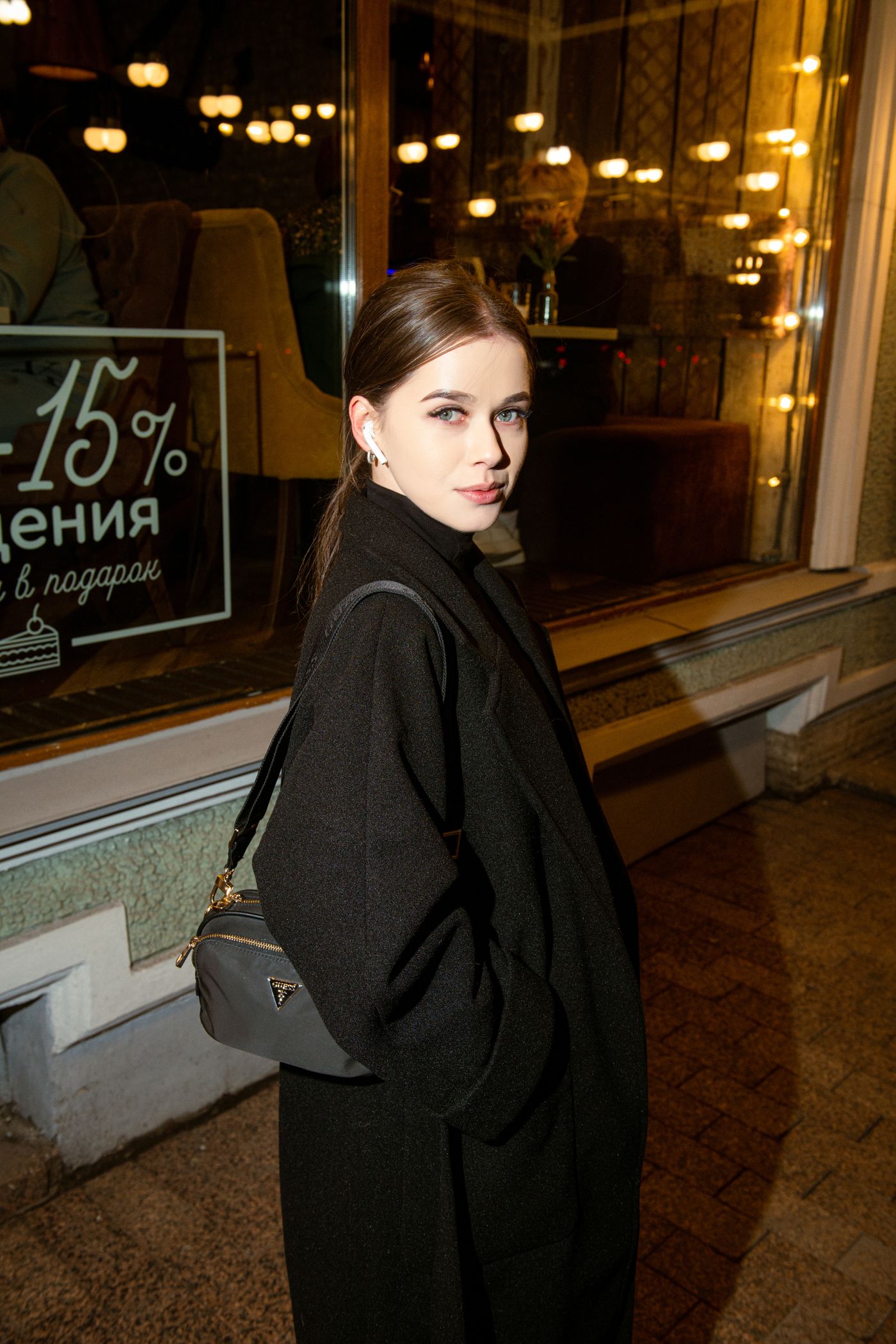
An evening at the theatre involves more than the seat: queues, travel and somewhere to put your coat all affect what feels comfortable.
Dressing for plans
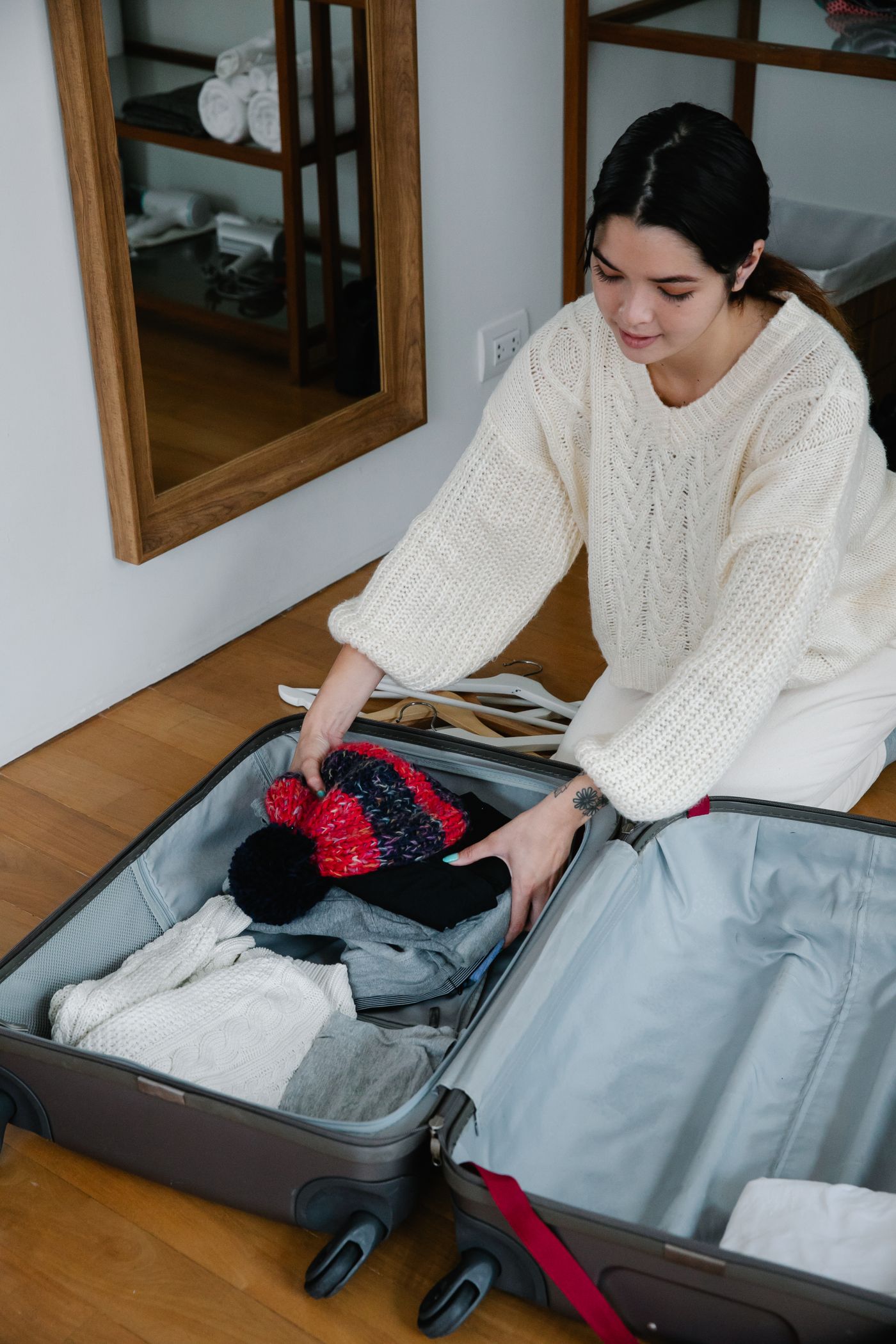
A city weekend usually needs fewer complete outfits than it first appears. Build around the walking, weather and booked plans rather than packing for every possible mood.

Dressing for plans
For a long train journey, choose clothes that remain comfortable while seated and layers you can remove without reorganising your luggage.

Dressing for plans
A flight outfit needs to work through the airport, in a seat and at the destination. A few familiar layers make those changes easier to manage.
Dressing for plans
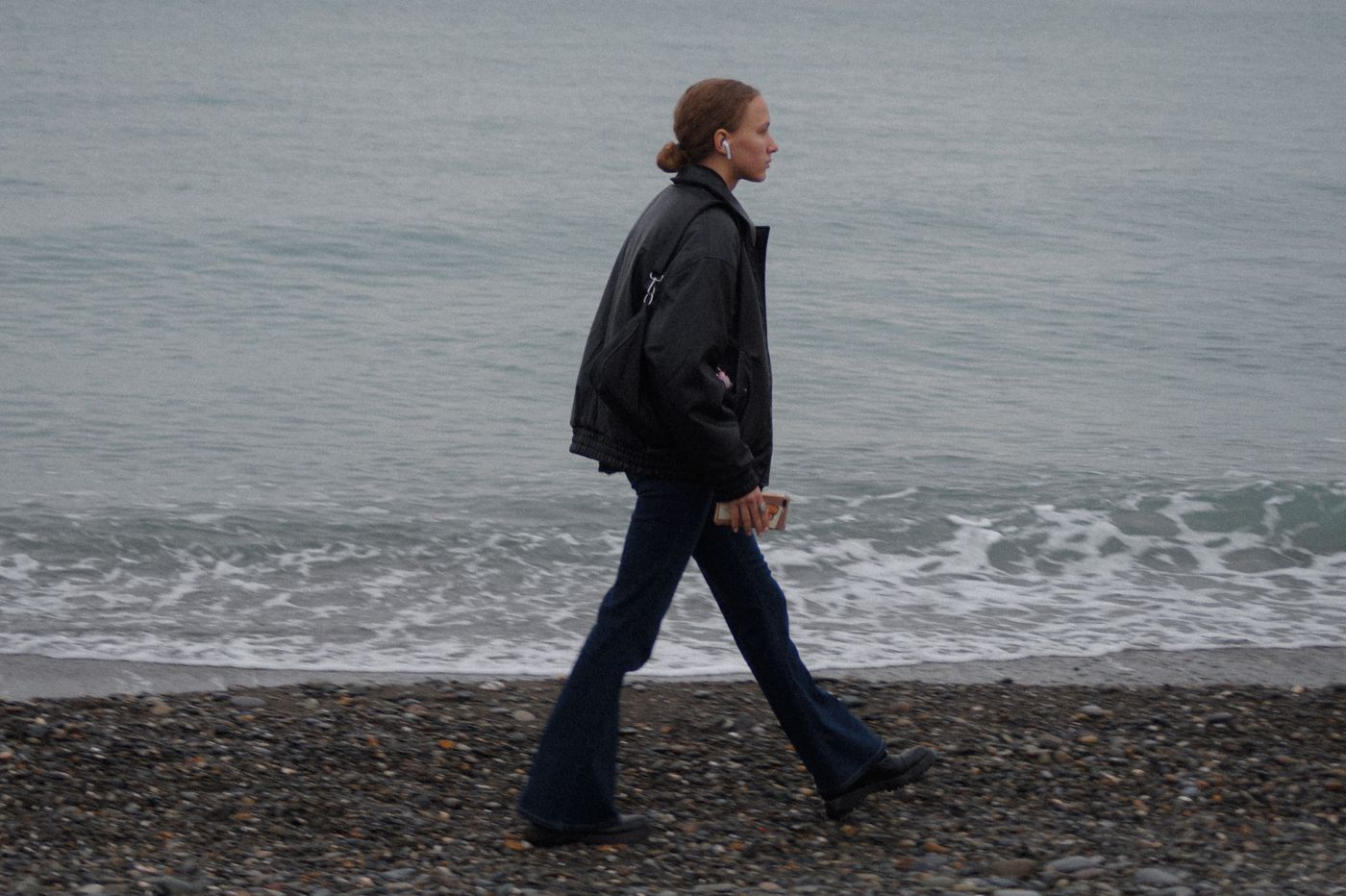
A day by the sea can include wind, sheltered cafés and a warm walk back. Choose layers around those changes instead of one imagined temperature.
Dressing for plans
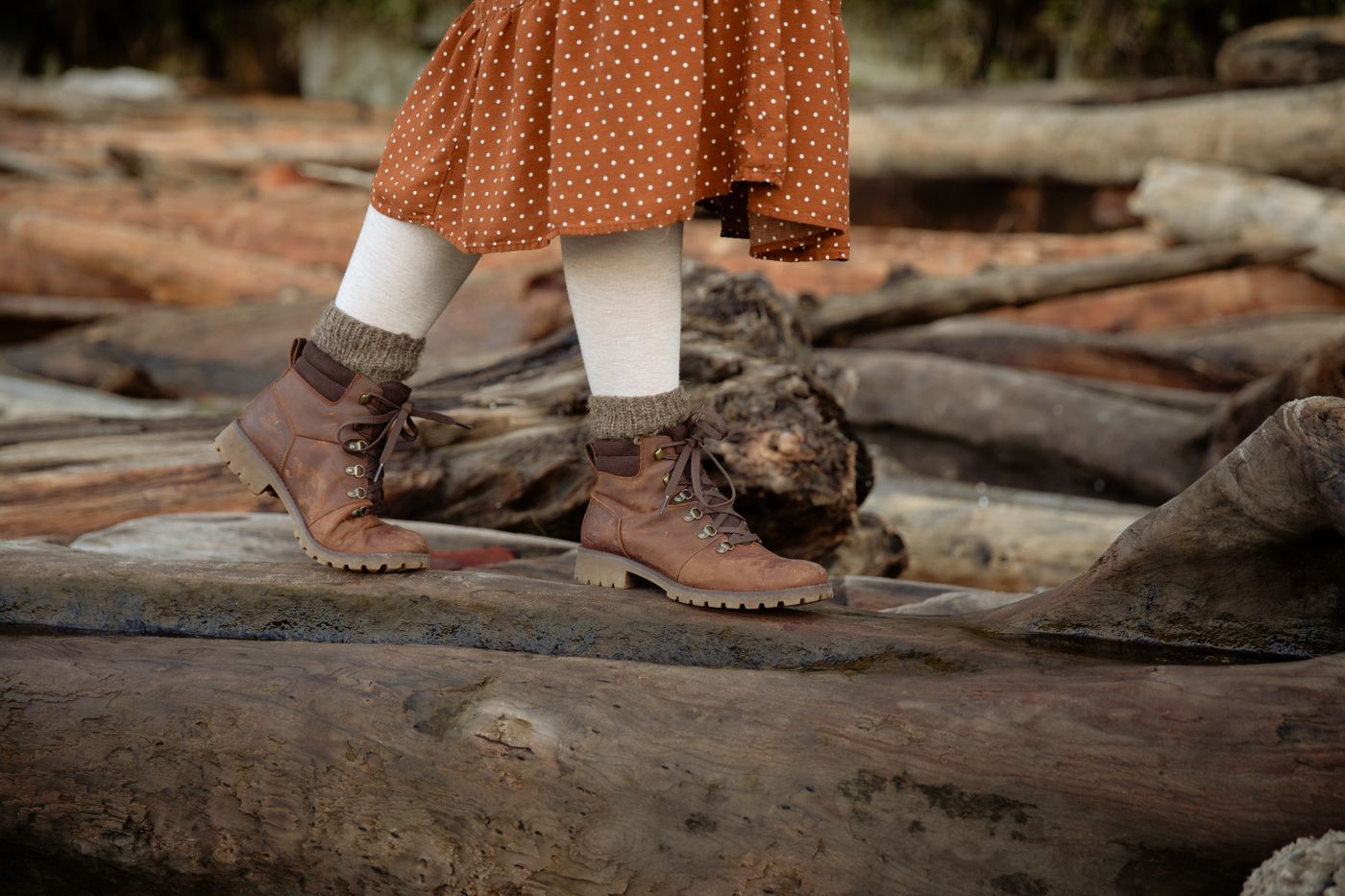
Pack for the activities on the invitation, not a general idea of country style. A muddy walk and a quiet lunch may need different shoes, but they can share much of an outfit.

Dressing for plans
Summer work clothes need to balance the journey, the workplace and the layers you may still want indoors. Start with fit and movement rather than a fixed fabric formula.

Dressing for plans
Persistent rain asks more of an outfit than a brief shower. Pay attention to hems, the outer layer and what happens when you arrive indoors.

Dressing for plans
A cold start can tempt you into an outfit that becomes too warm later. Build a lighter daytime version first, then add what the morning needs.

Dressing for plans
A family lunch can be relaxed, celebratory or somewhere between. Choose for the setting and the things you will be doing, then keep the outfit comfortable at the table.

Dressing for plans
A day of galleries often includes more standing and walking than expected. Choose clothes for moving between the street, the rooms and a café stop.

Dressing for plans
A festive gathering does not automatically need a new outfit. One deliberate detail can change the mood of clothes you already like wearing.
Dressing for plans
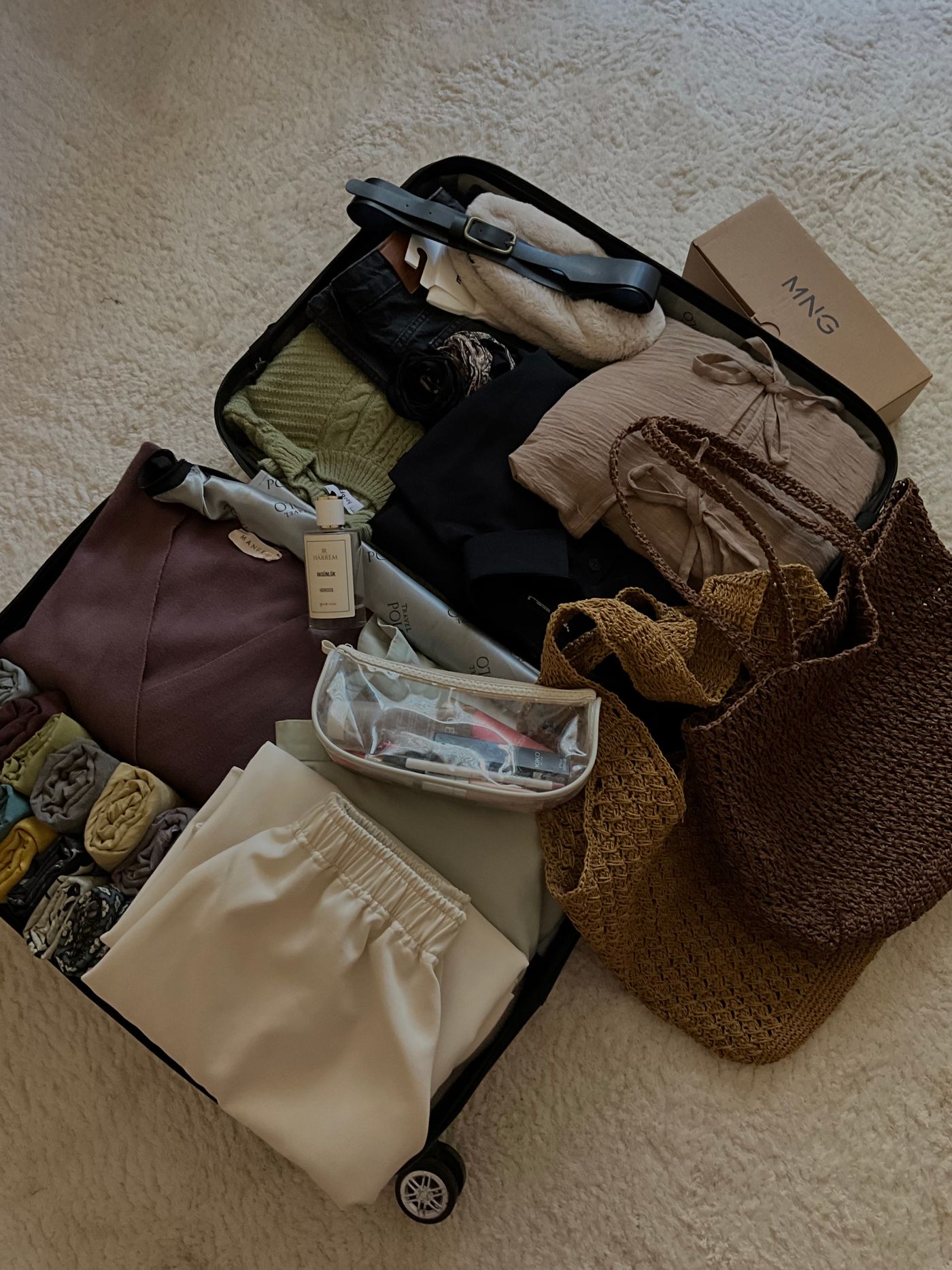
One night away can produce a surprisingly full bag. Pack for the actual overnight plan and let the travel clothes do more than one job.
Buying & fit
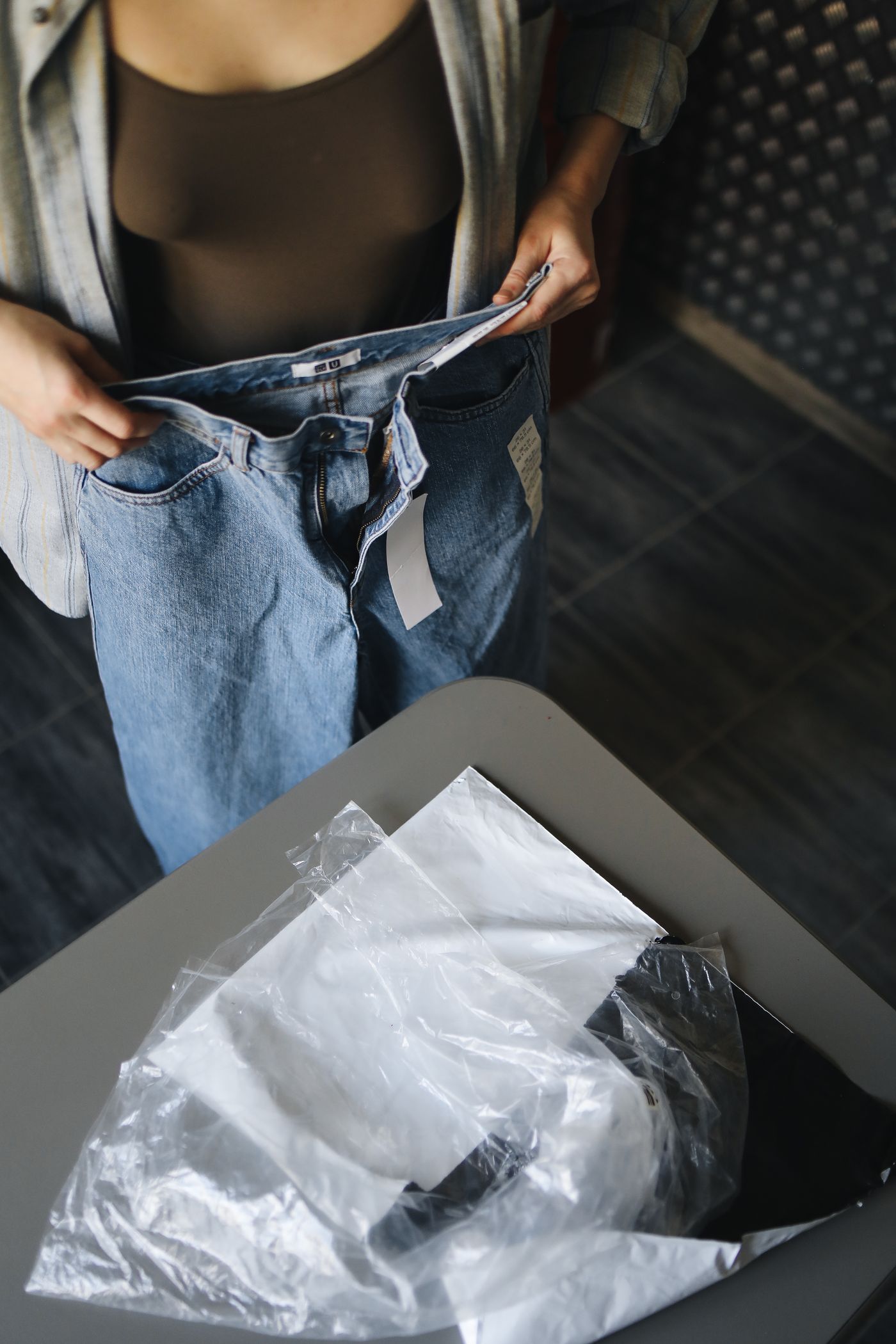
Trousers need to work while you sit, walk and reach, not just while you stand in front of a fitting-room mirror. A few ordinary movements reveal more than a label size.

Buying & fit
The shoulder area influences how a jacket hangs, but its correct position depends on the design. A tailored blazer and a deliberately dropped-shoulder jacket should not be judged by one rule.

Buying & fit
A shirt that gapes is giving you information about its cut and fastening. Find when and where the opening appears before choosing a bigger size or an improvised fix.
Buying & fit
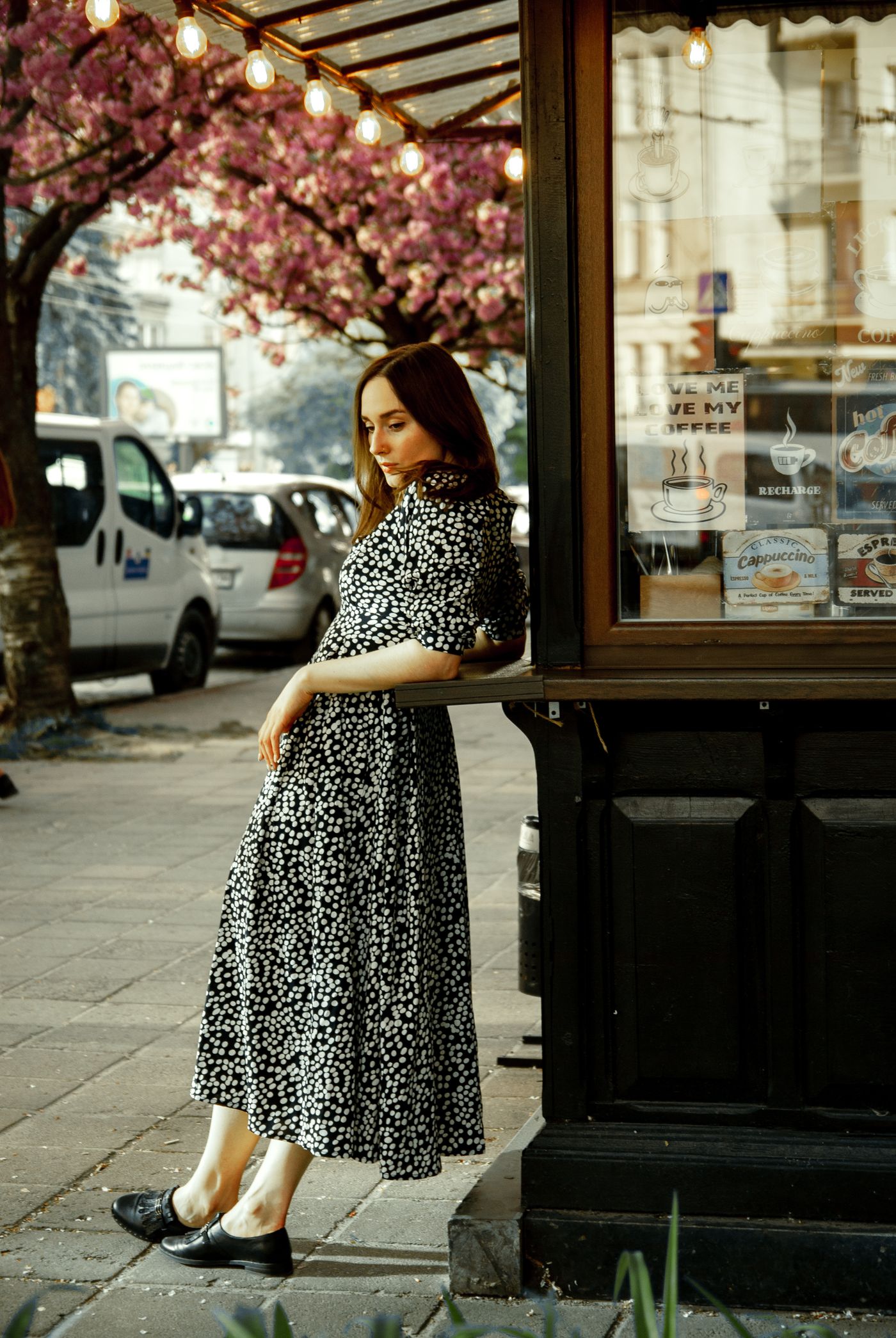
A useful dress length depends on where you go and how you move. The fitting-room question is less about a fixed flattering point and more about whether the dress works through your day.

Buying & fit
The right winter coat has to accommodate what you wear underneath it. Try it with a realistic layer before deciding that the size is correct.
Buying & fit
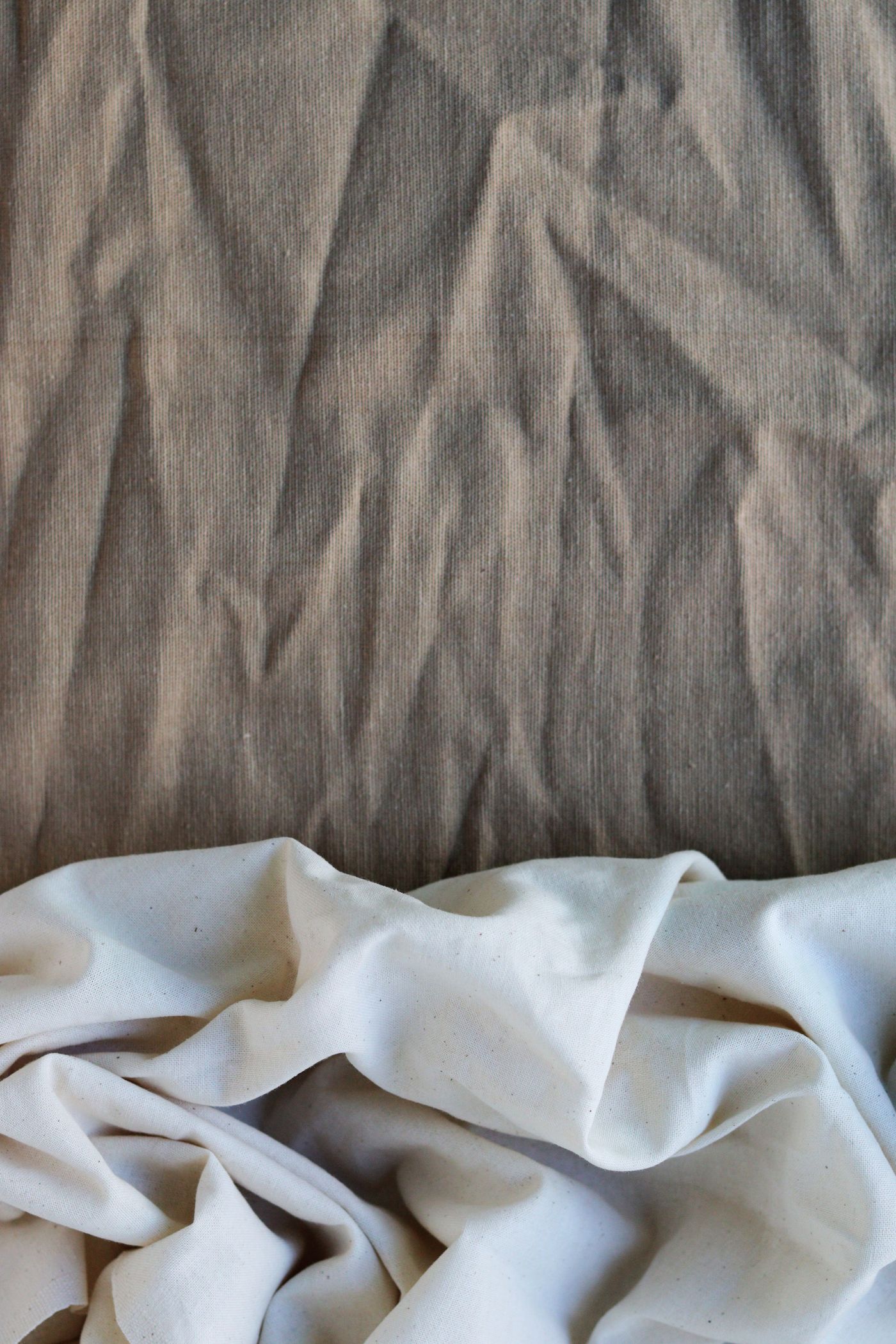
Fabric weight affects how a garment feels and falls, but heavier does not automatically mean better. Compare weight alongside weave, stretch, construction and the job you want the garment to do.
Buying & fit
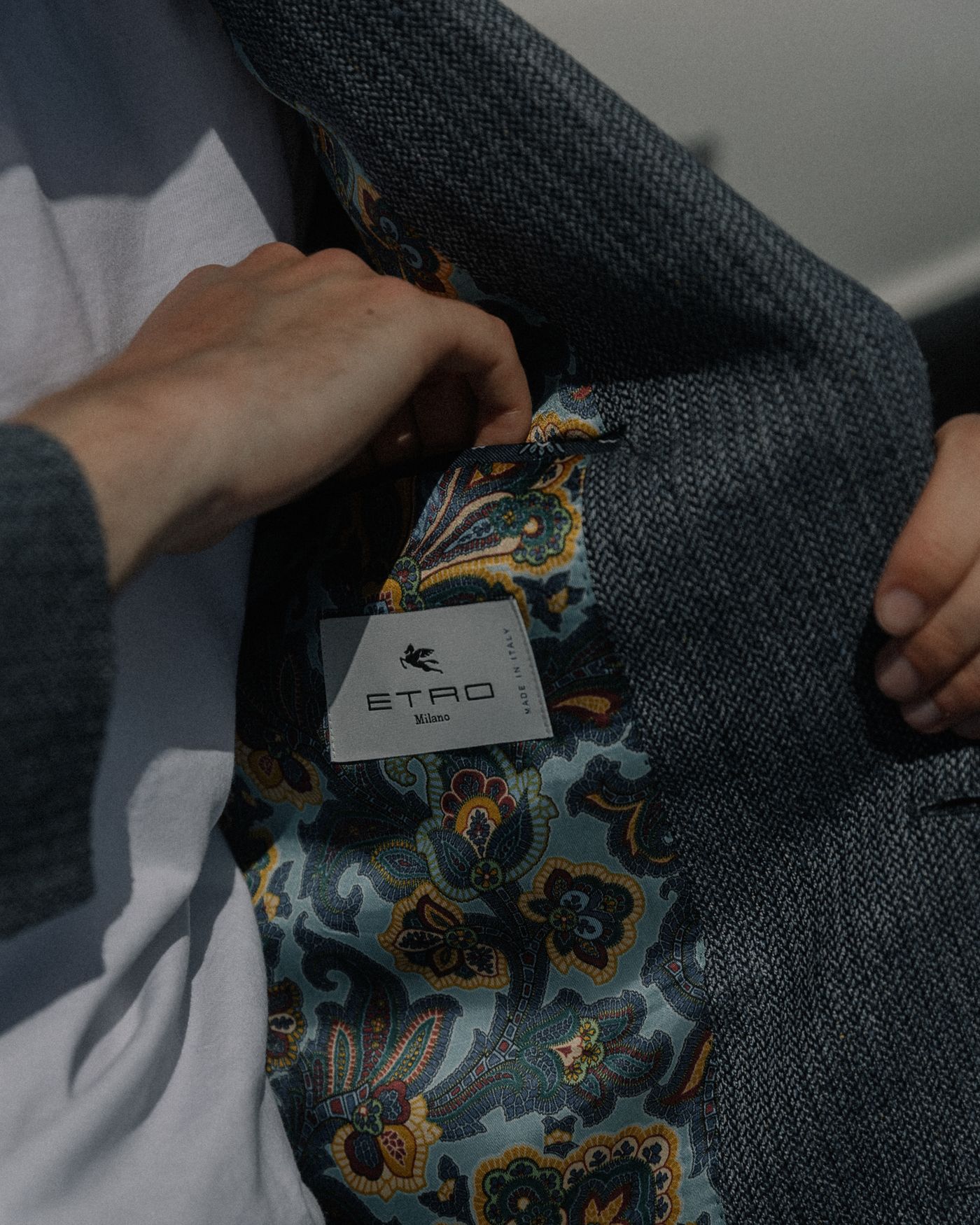
A lining can affect movement and comfort as much as the outer fabric. Turn the garment carefully and check the part that will spend the day against your other clothes.
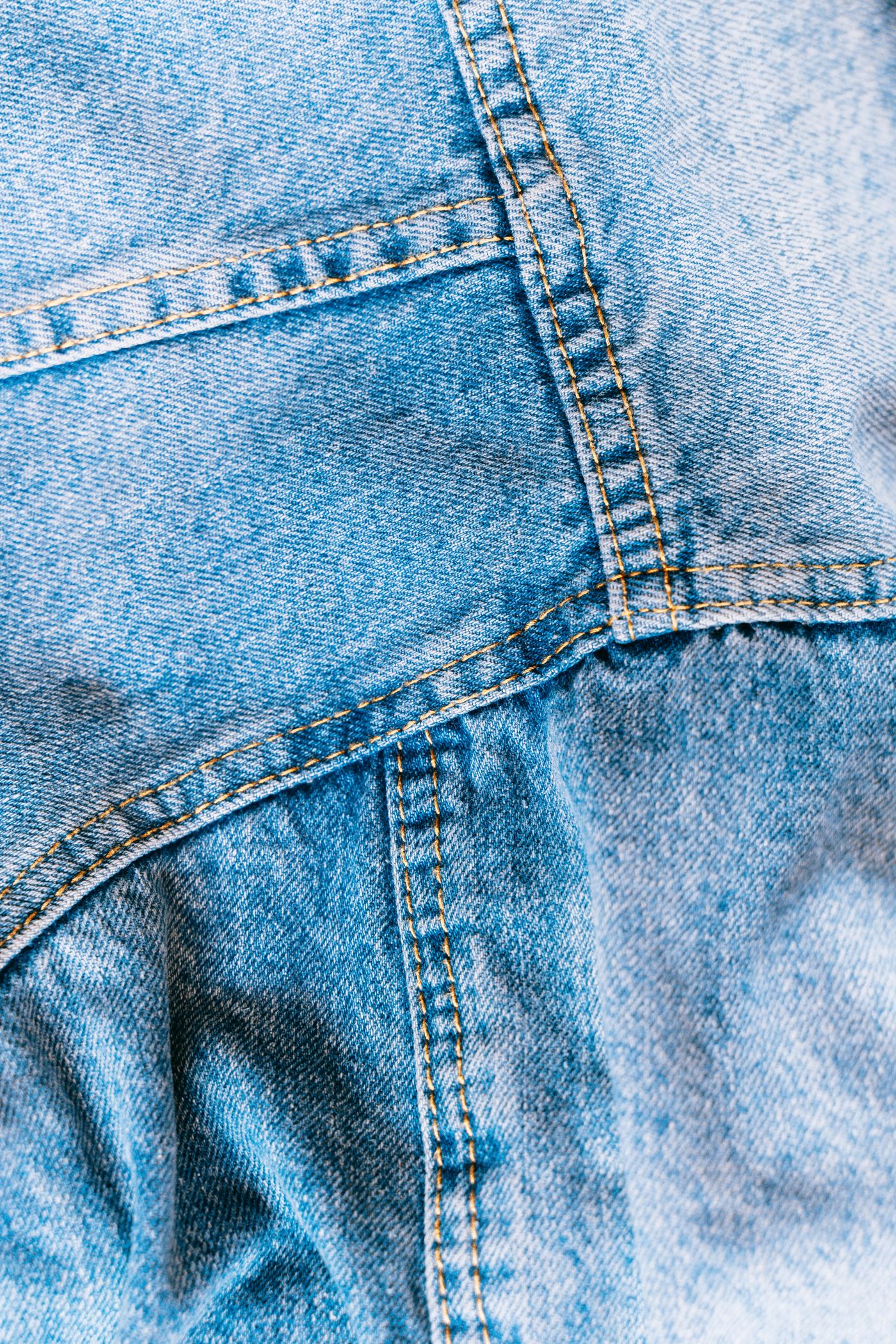
Buying & fit
A quick look inside a garment can reveal issues that are hard to see on the hanger. Focus on how the seams behave rather than trying to assign every stitch a quality score.

Buying & fit
Pockets can change the way a garment hangs once they hold something. Try them with the small items you actually carry, rather than judging usefulness from the opening alone.
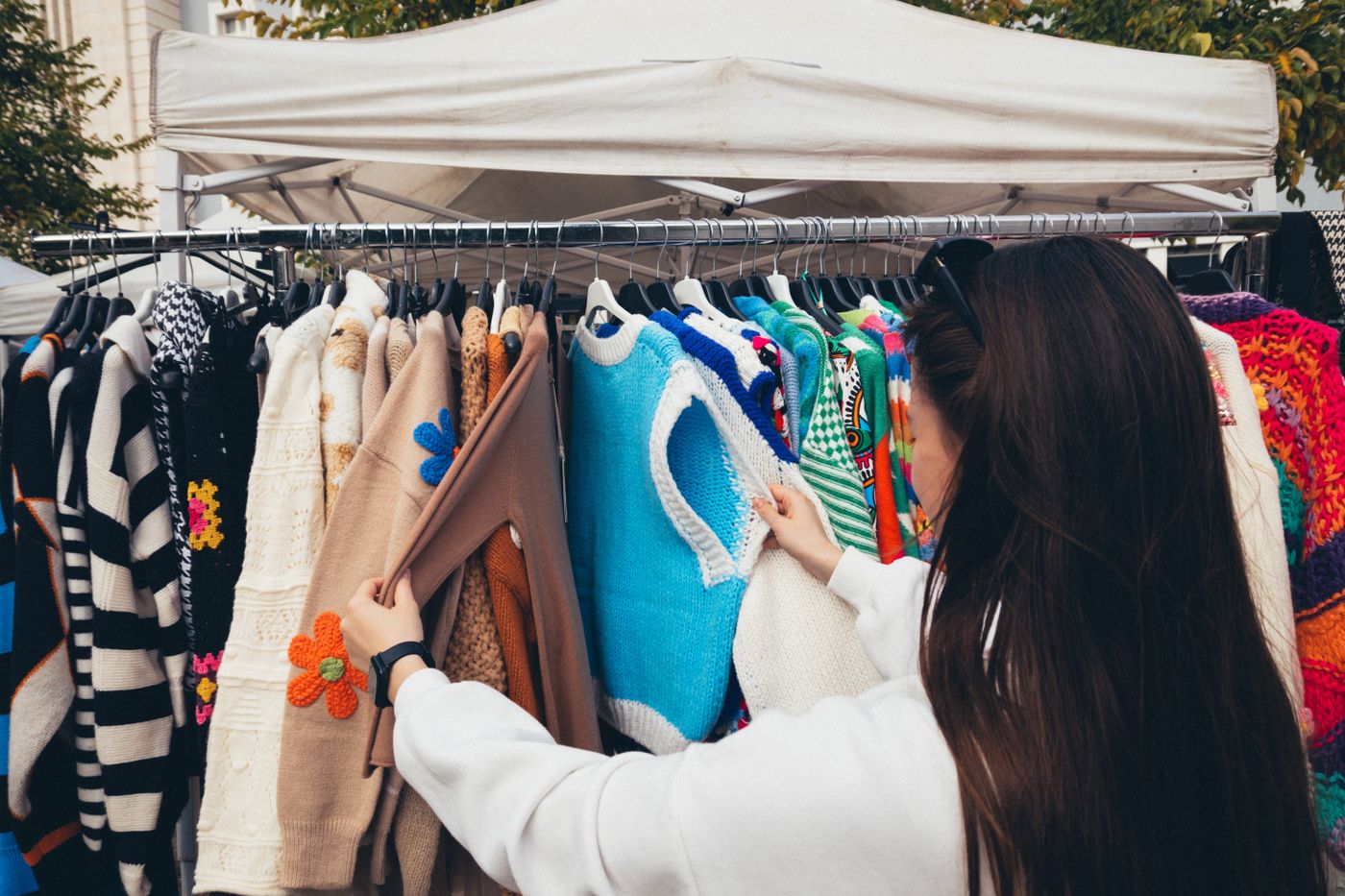
Buying & fit
Second-hand knitwear needs a close look at its structure, not just its colour. A few bobbles can be manageable; thinning, holes and stretched shaping ask different questions.
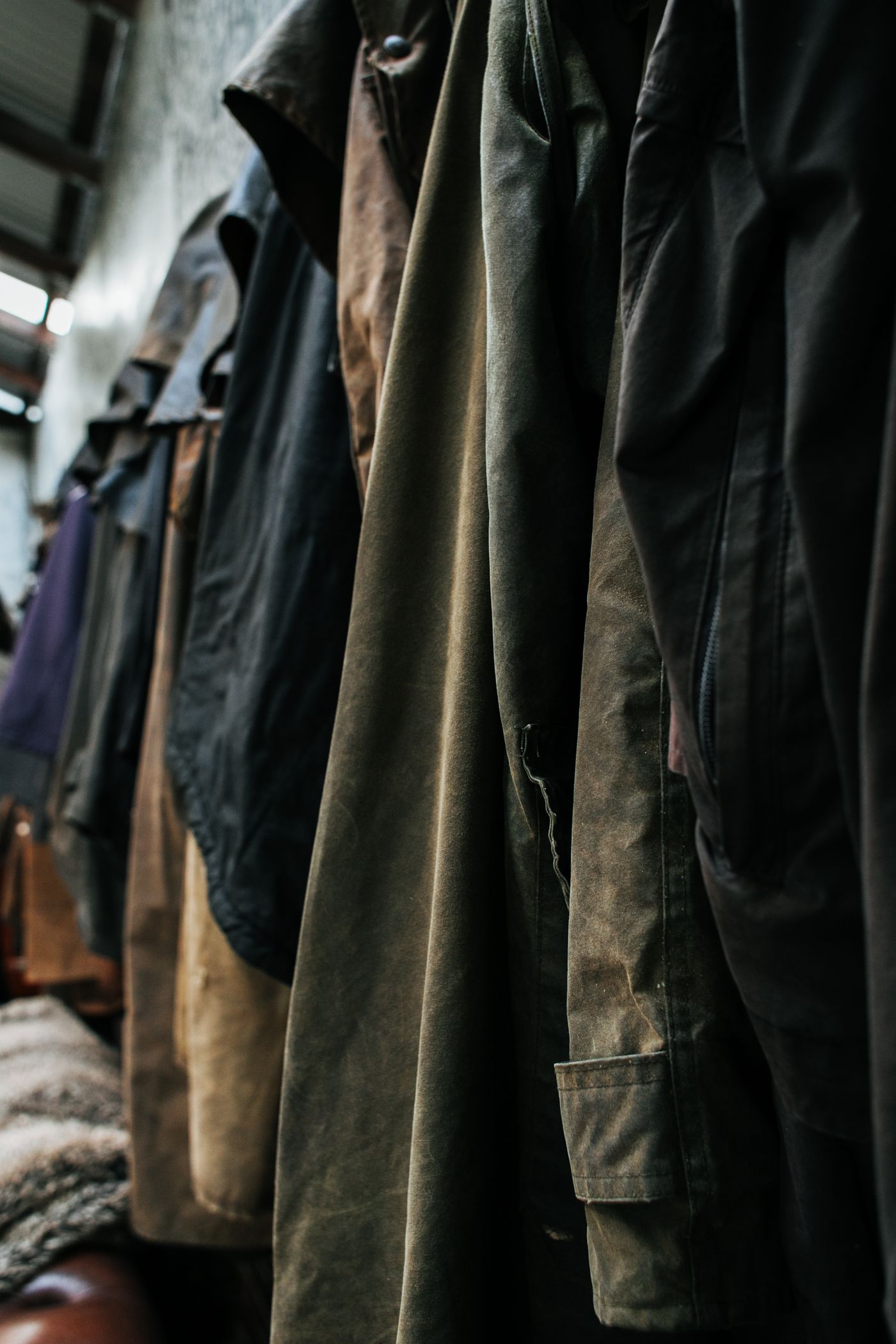
Buying & fit
A second-hand coat can offer plenty of useful wear, but its condition is often uneven. Inspect the parts that have handled the weather and daily movement before judging the whole piece.
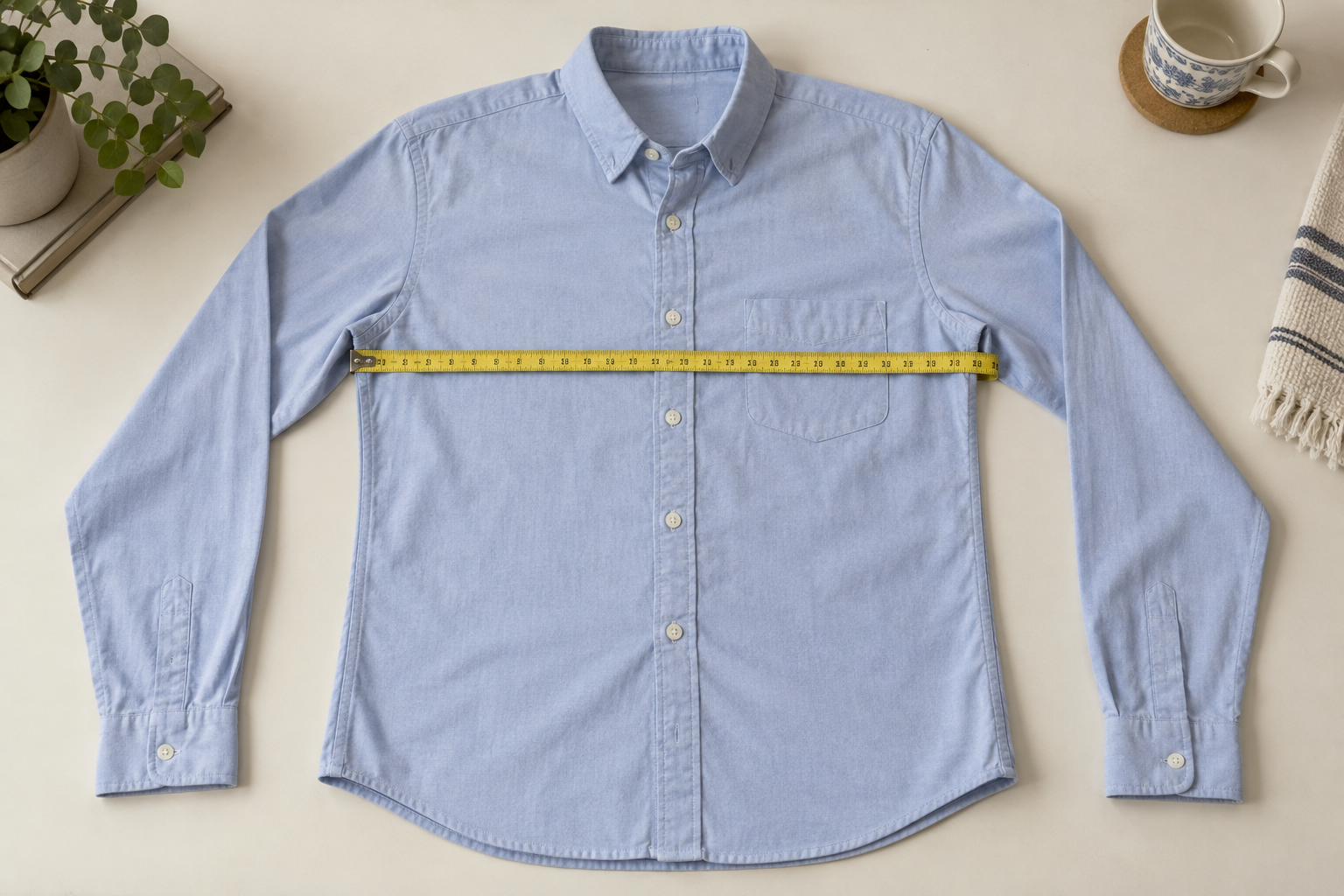
Buying & fit
Measurements are helpful online only when you know what has been measured. A body-size chart and a finished-garment measurement describe different things.

Buying & fit
A familiar size label is a starting point, not a promise that another garment will fit the same way. Measurements and the intended cut give you more useful information.
Buying & fit
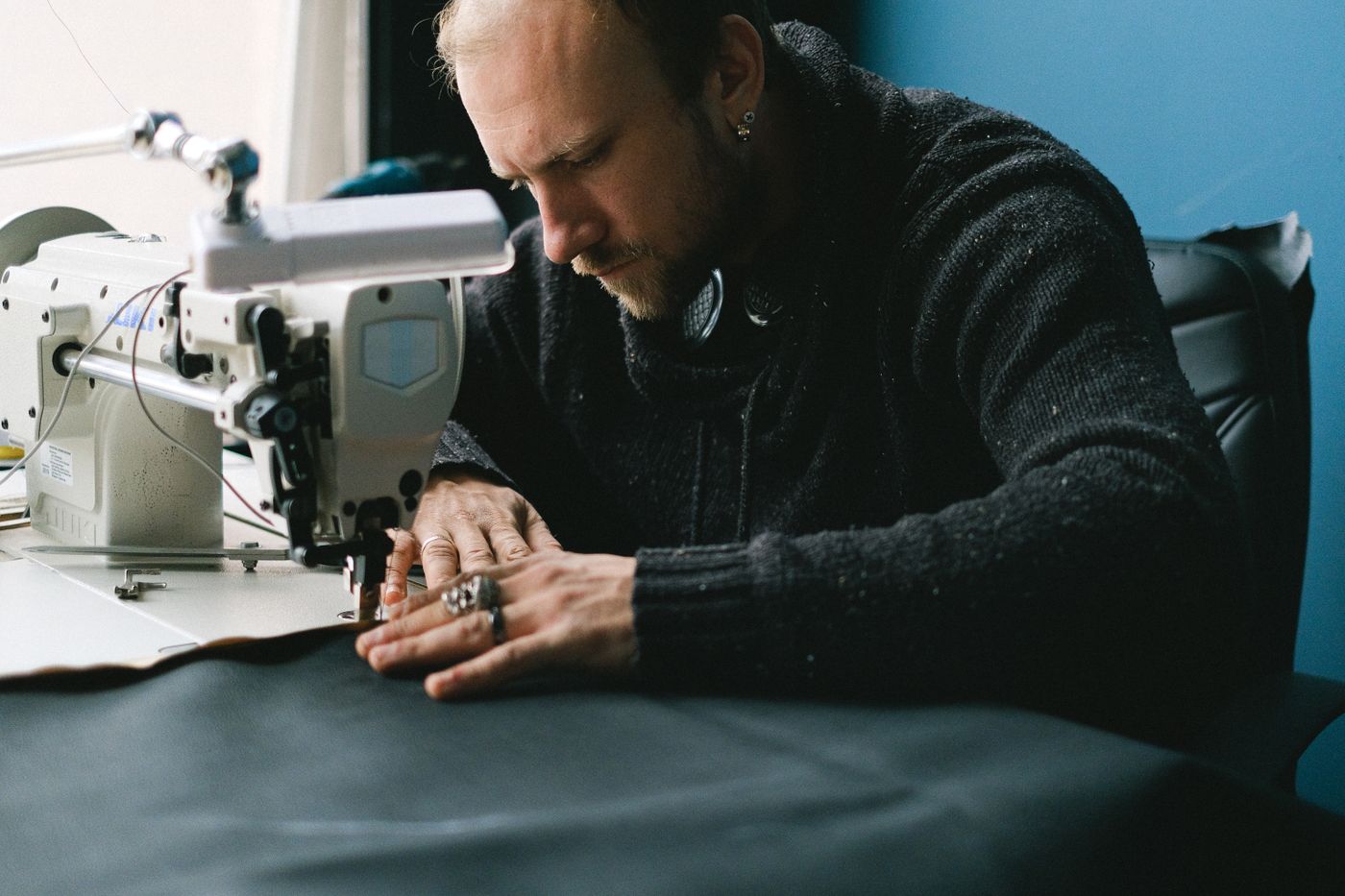
An alteration can make a promising garment more useful, but only if the change is feasible. Ask the questions before buying a piece that depends on being rebuilt.
Buying & fit
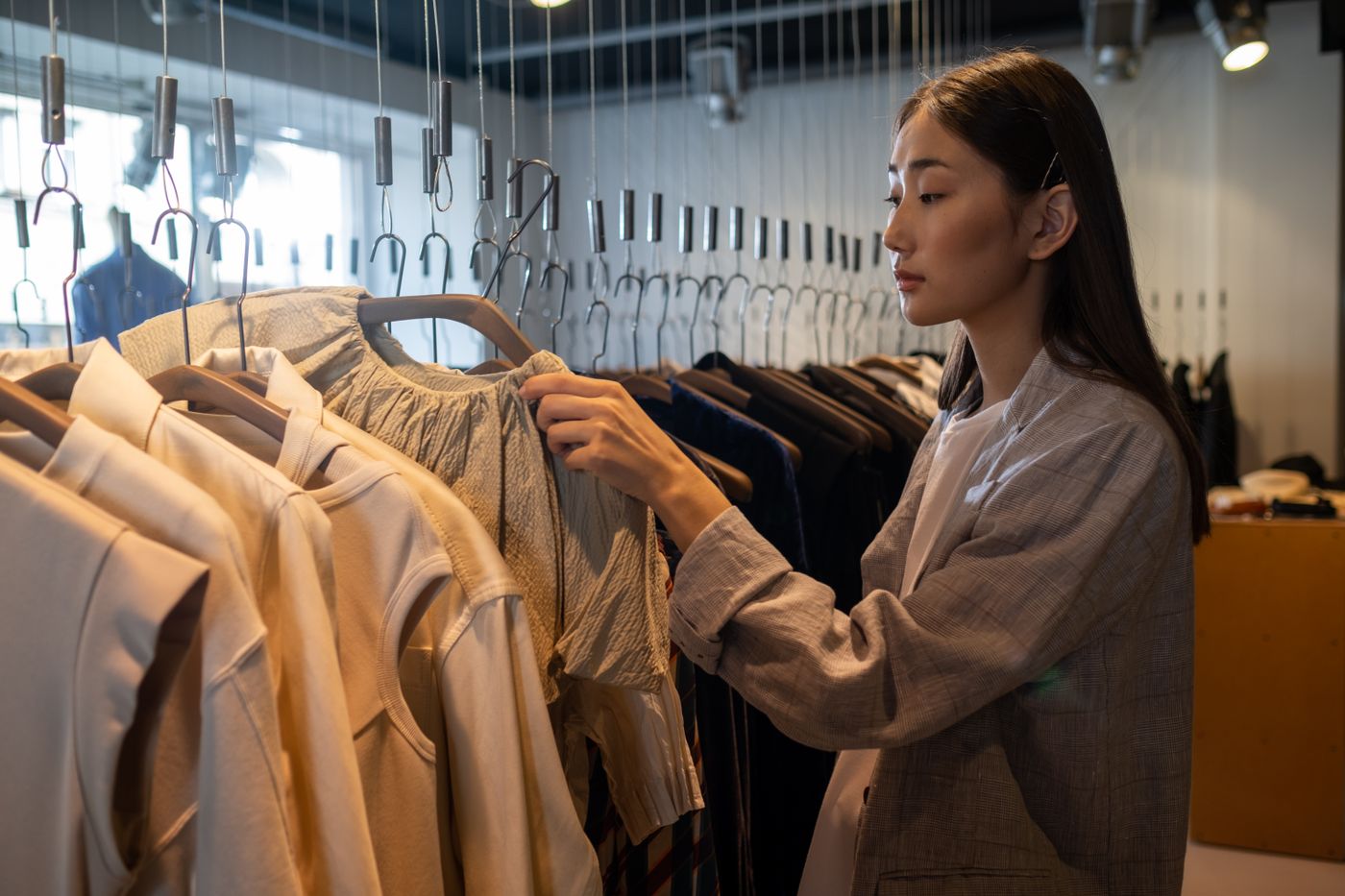
Cost per wear can help compare how clothes are used, but it is easy to turn an estimate into an excuse. Keep the arithmetic connected to real habits.
Buying & fit
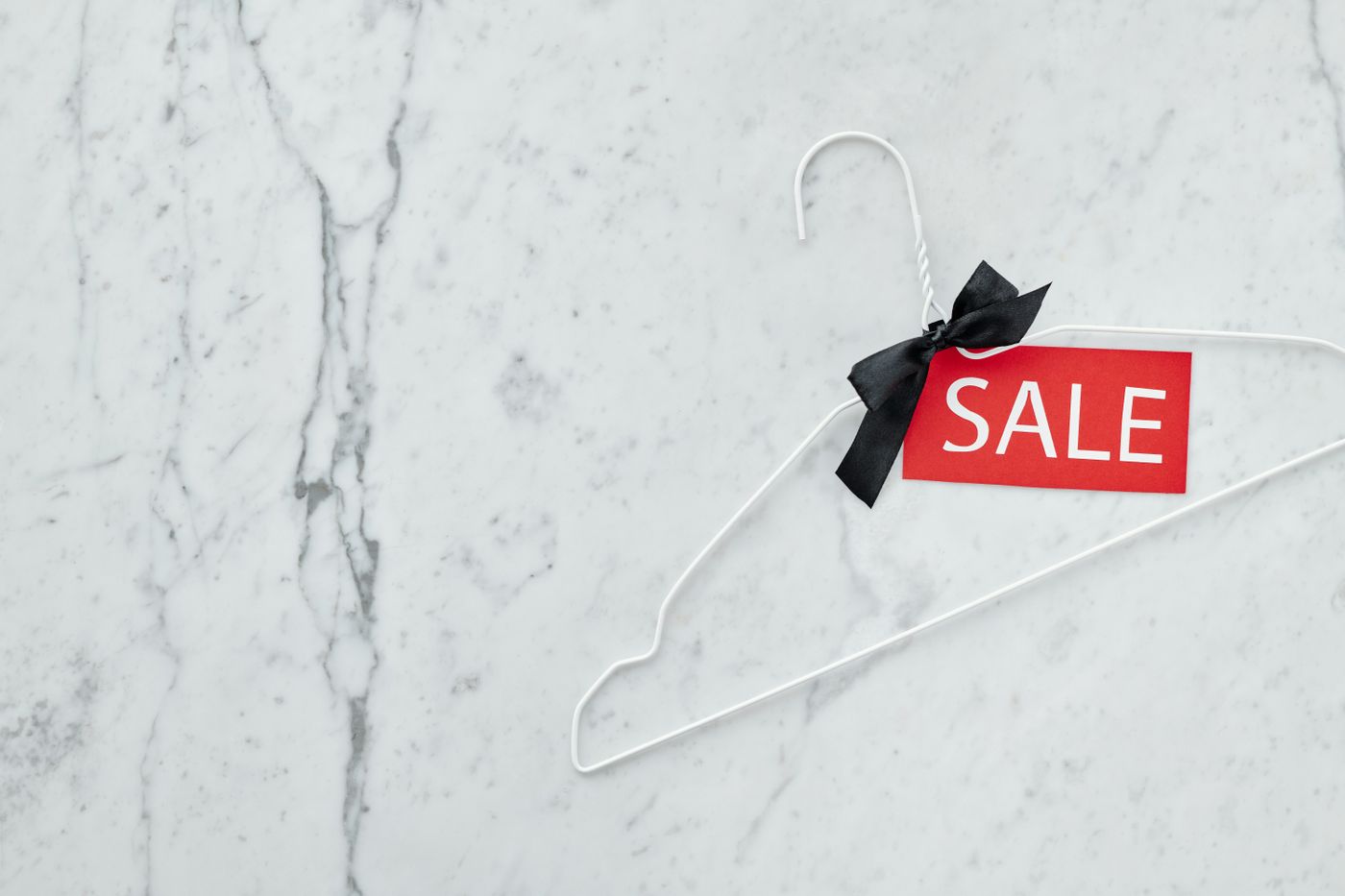
A sale price can make a decision feel urgent. A short pause gives you time to check whether the garment solves a real wardrobe need or simply looks attractive beside a reduction.
Buying & fit
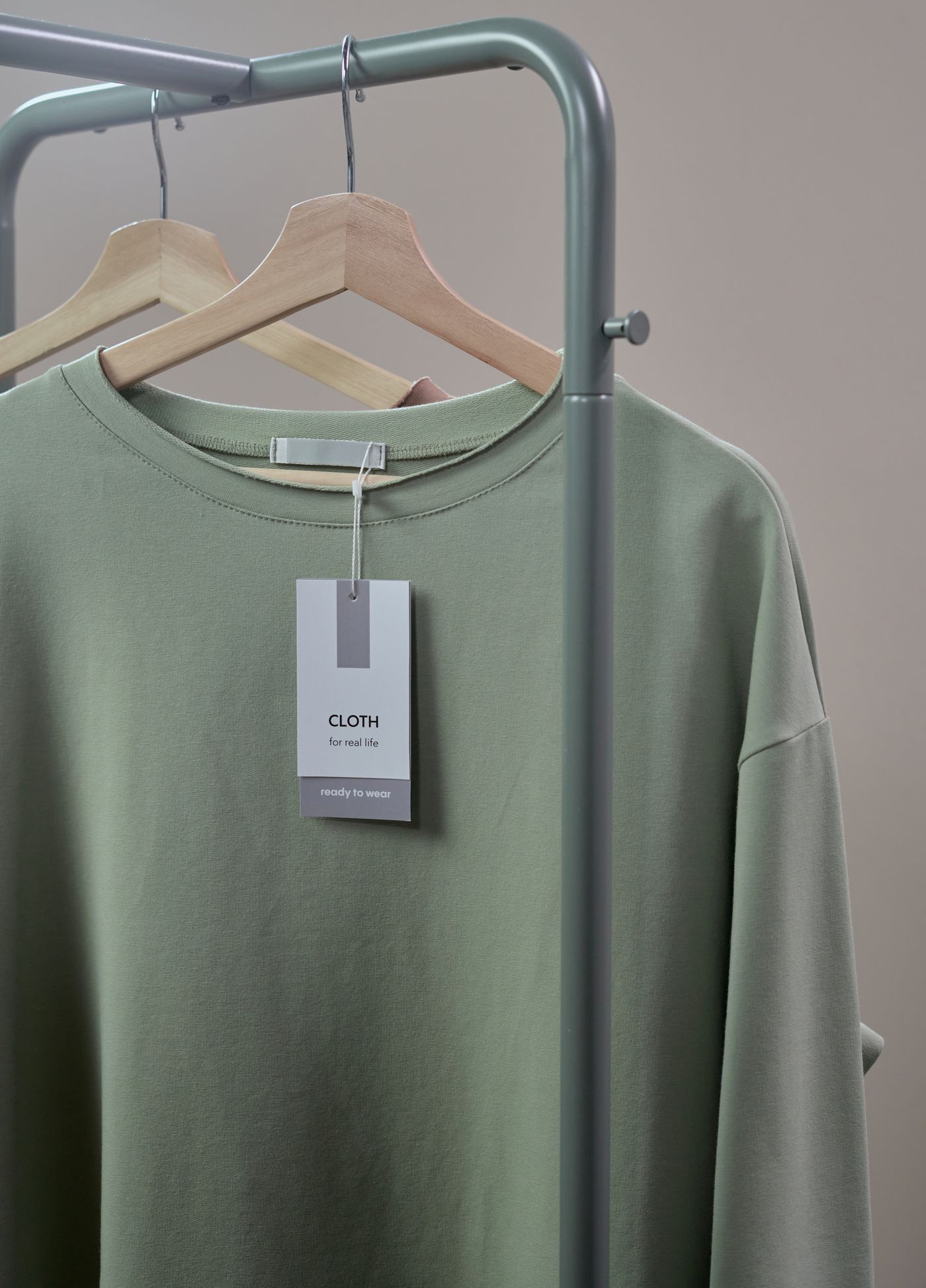
Keep the tags attached while you decide whether a new garment is right. A calm check at home can reveal details that were easy to miss in a shop or product photograph.
Buying & fit
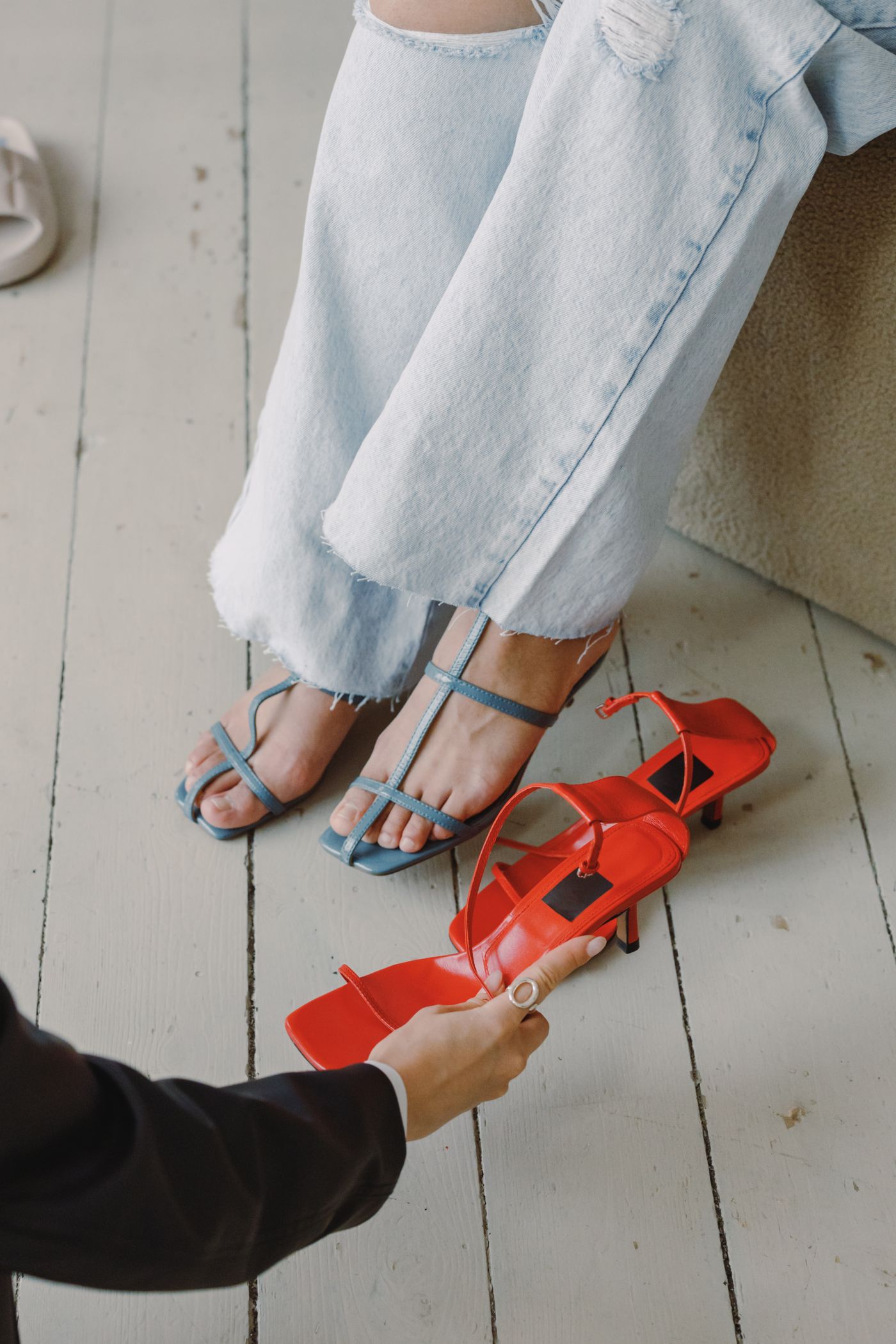
Trying on shoes is more useful when you recreate the way you will wear them. Bring the intended socks and give both feet a proper chance to move.
Buying & fit
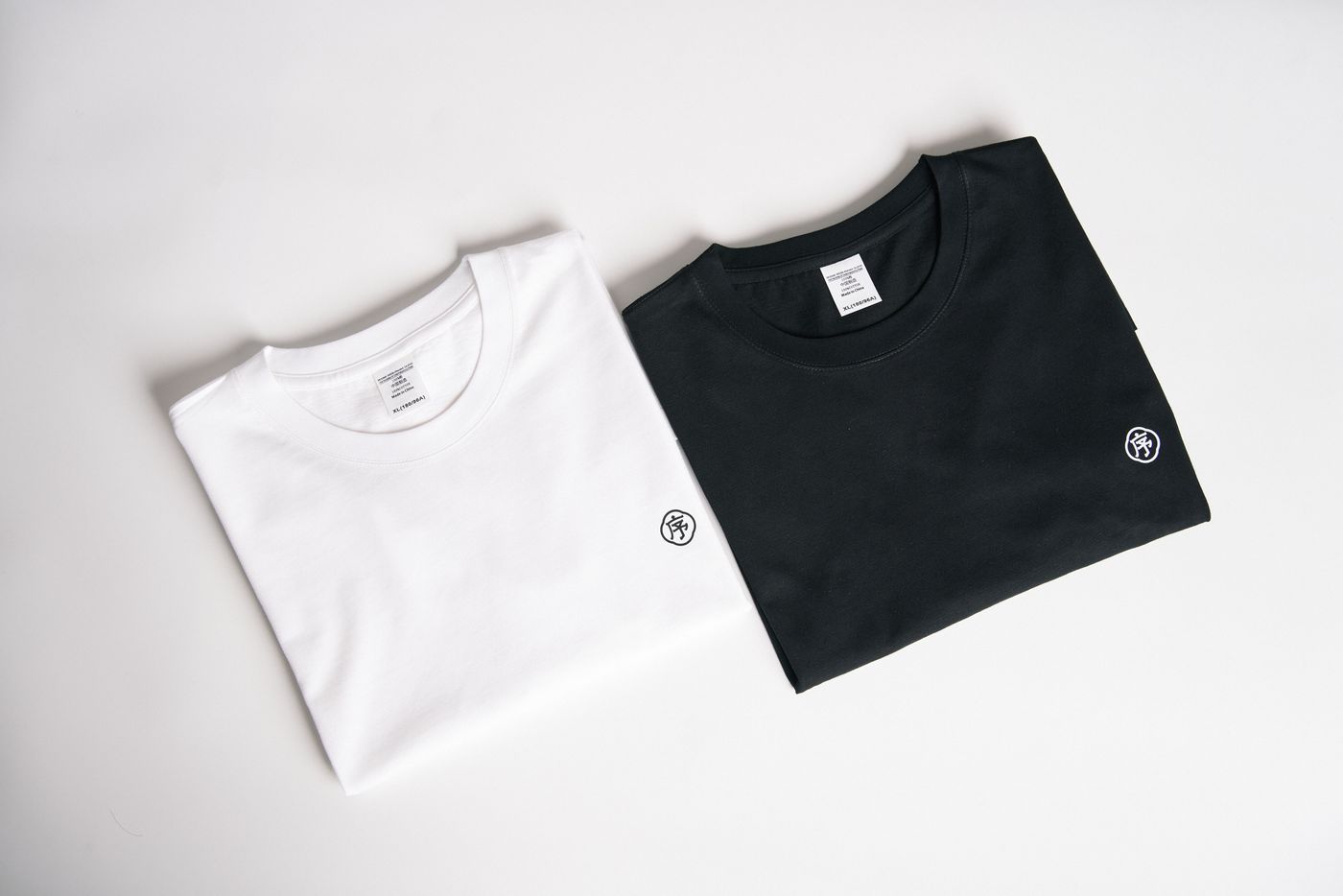
A duplicate basic can make a busy wardrobe easier to use. It is most convincing when the first version already proves its value, rather than when the second merely promises to be useful.