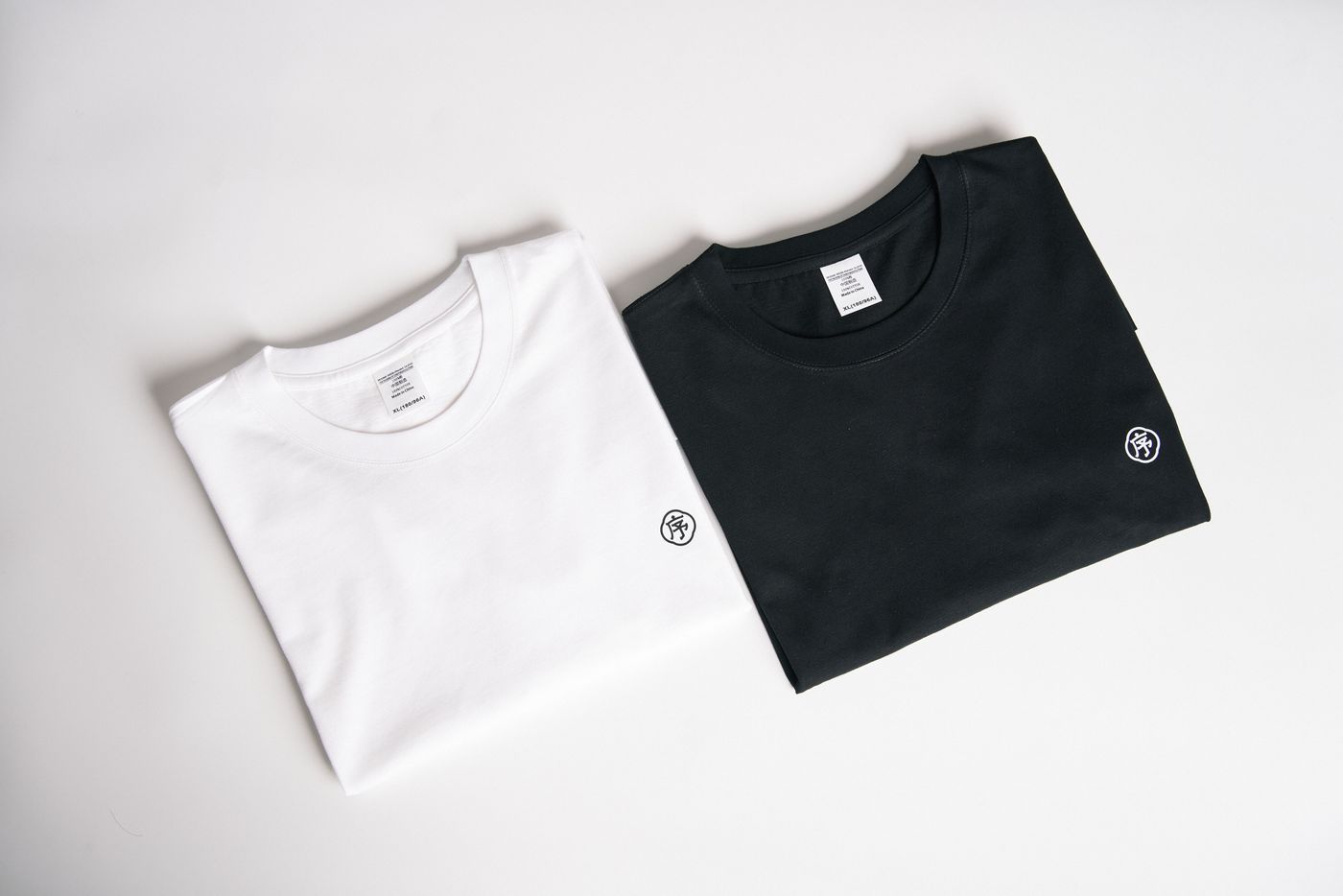
Look at the first one's working week
Notice how often you reach for the original and whether laundry time leaves a genuine gap. A shirt worn repeatedly for work may justify another. A plain top that waits untouched for a hypothetical outfit does not become more useful simply because it comes in a second colour.
Check why you like the first piece. Is it the neckline, the fabric weight, the sleeve shape or the way it layers? Naming those details helps you recognise whether the new version actually offers the same benefit.
Compare the new item directly
A familiar product name does not guarantee unchanged fabric or dimensions. Read the current description and care label, and try the new piece when possible. Compare measurements using the same method rather than assuming a remembered size will always work.
Colour can also affect how you use it. A pale version may require a different underlayer or show marks differently from the dark one you already wear. Think through an actual outfit and cleaning routine before treating the two as interchangeable.
Decide what the duplicate replaces
If the second version lets you rotate a frequently used garment while the first dries, its role is clear. If it only adds another option to an already crowded drawer, consider whether that choice will improve your mornings or make them more complicated.
You do not need to buy every available colour while a style is in stock. Start with the version that answers a specific need and reassess after wearing it. A small number of well-used basics can be more useful than a complete colour range whose appeal exists mainly when the pieces are lined up together in the shop.