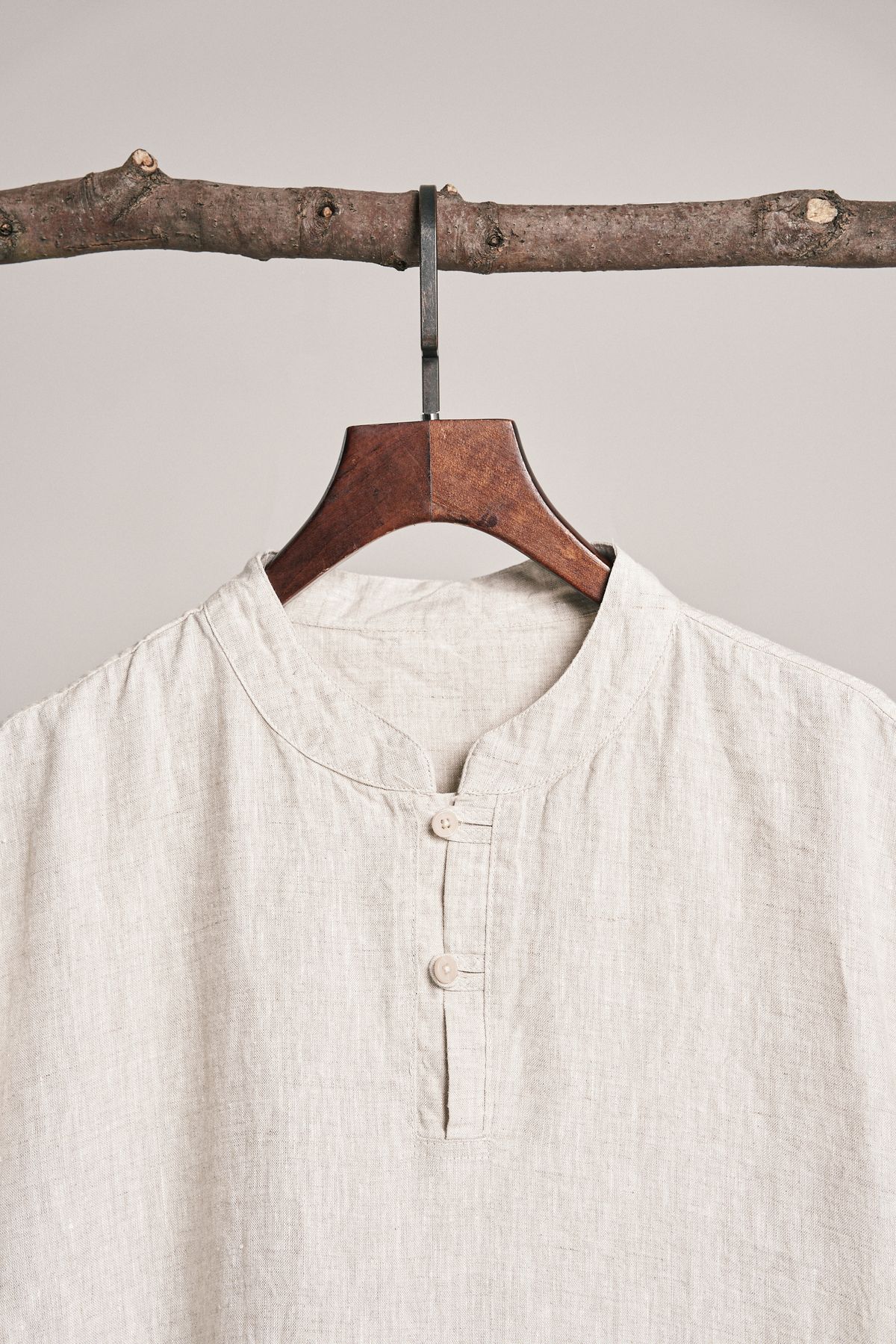
Empty and inspect
Check every pocket, including the inner ones. Remove receipts, tissues and forgotten small items, then look at the pocket linings, cuffs and collar. Test the fastening gently and note a loose button or lining tear before it disappears into storage.
Follow the coat's care label for cleaning. Woolmark recommends storing wool clean because food residue and body oils can attract moths. That does not mean putting every coat into a washing machine; structured or lined pieces may need professional treatment.
Wait for complete dryness
After cleaning or airing, make sure the coat is fully dry before enclosing it. Pay attention to thick seams and folded areas. Storing damp fabric can create a new problem even when the outside feels ready.
Choose support that suits the coat. A shaped hanger can help a tailored coat sit properly, while heavy knitted outerwear may require a different approach. Give the item space rather than compressing its shoulders and lapels between other garments. Check the maker's storage advice for specialised materials or finishes.
Make next season easier
Use a clean, dry storage area and inspect it periodically. Do not rely on a scented sachet as a guarantee against pests. If you see signs of damage or activity, address the storage problem rather than merely covering the smell or moving the coat to another crowded rail.
Keep a short note of any repair still needed, ideally attached to the hanger rather than to delicate fabric. A coat returned to service with sound fastenings and empty pockets is more useful than one stored beautifully with an unresolved broken zip. Deal with affordable repairs now if they would otherwise delay wearing it next winter.