Keep one part uncomplicated
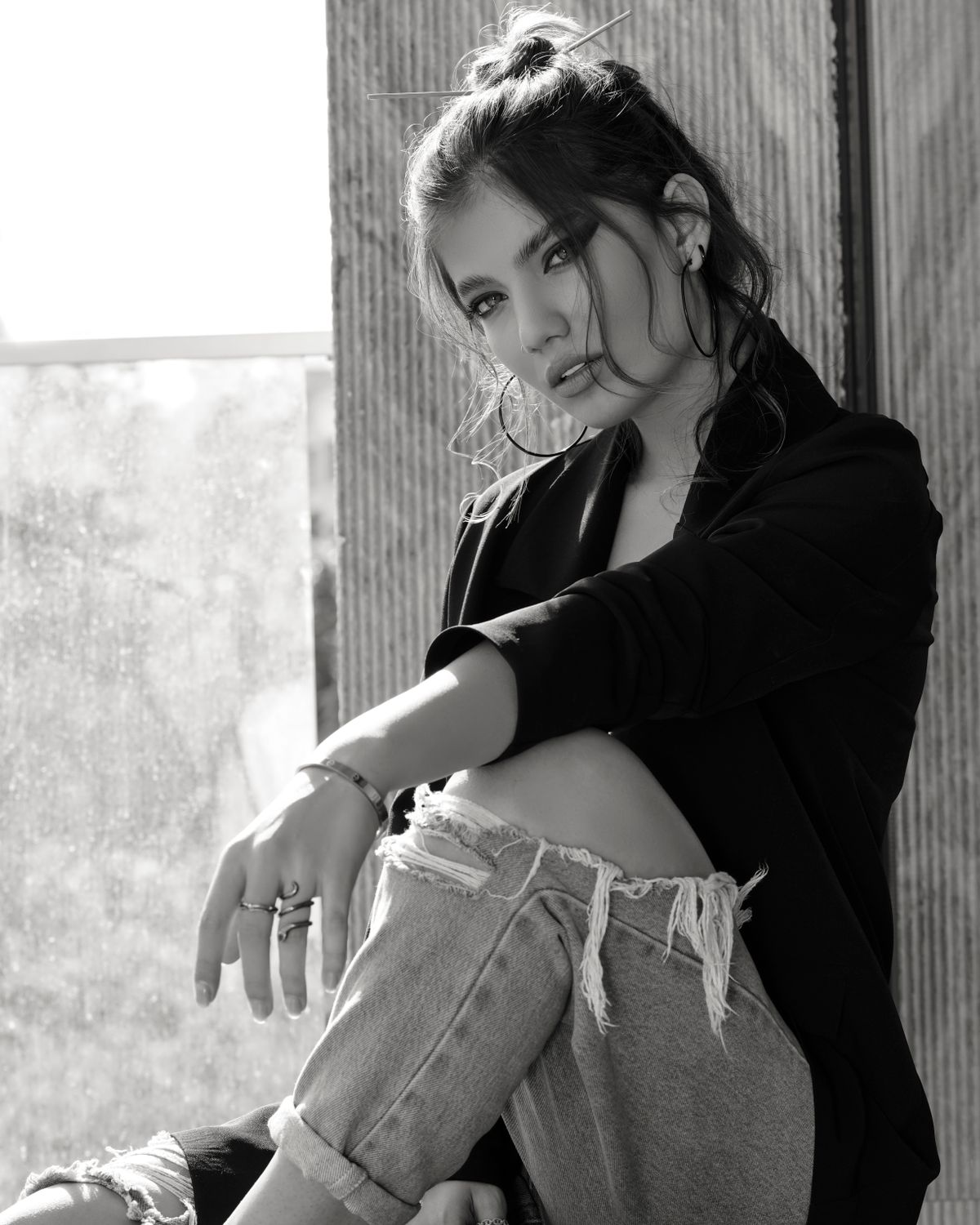
Try a familiar blazer over a plain cotton top and jeans. Leave the jacket open and check the shoulder line before adjusting anything else. If the shoulders pull or collapse uncomfortably, casual styling will not solve the fit.
A soft shirt can work just as well as a T-shirt. The difference comes from how the outfit feels together, not from a rule that blazers must be paired with something sporty. A structured jacket over a relaxed dress is another option if the sleeves have enough room.
Test the length against the bottom half
A longer blazer can look natural over straight trousers, while a shorter one may sit more easily over a full skirt. Treat these as starting points. Stand back and look at where the jacket hem crosses pockets, pleats or the widest part of a dress.
Avoid rolling lined sleeves so tightly that they form a bulky ring. If you prefer a pushed-up sleeve, check that it stays without constant adjustment. An alteration may be more useful for a jacket you wear often.
Add the practical pieces
Choose shoes for the amount of walking involved, then assess the outfit again. Trainers can make a blazer feel casual, but loafers or boots may be just as comfortable with the right pair of trousers.
Finally, put your usual things in the pockets or bag. A phone dragging down one jacket pocket changes its shape. If you need a coat over the blazer, try both on before committing to the outfit; sleeves and shoulders need space for the extra layer.