List the materials first
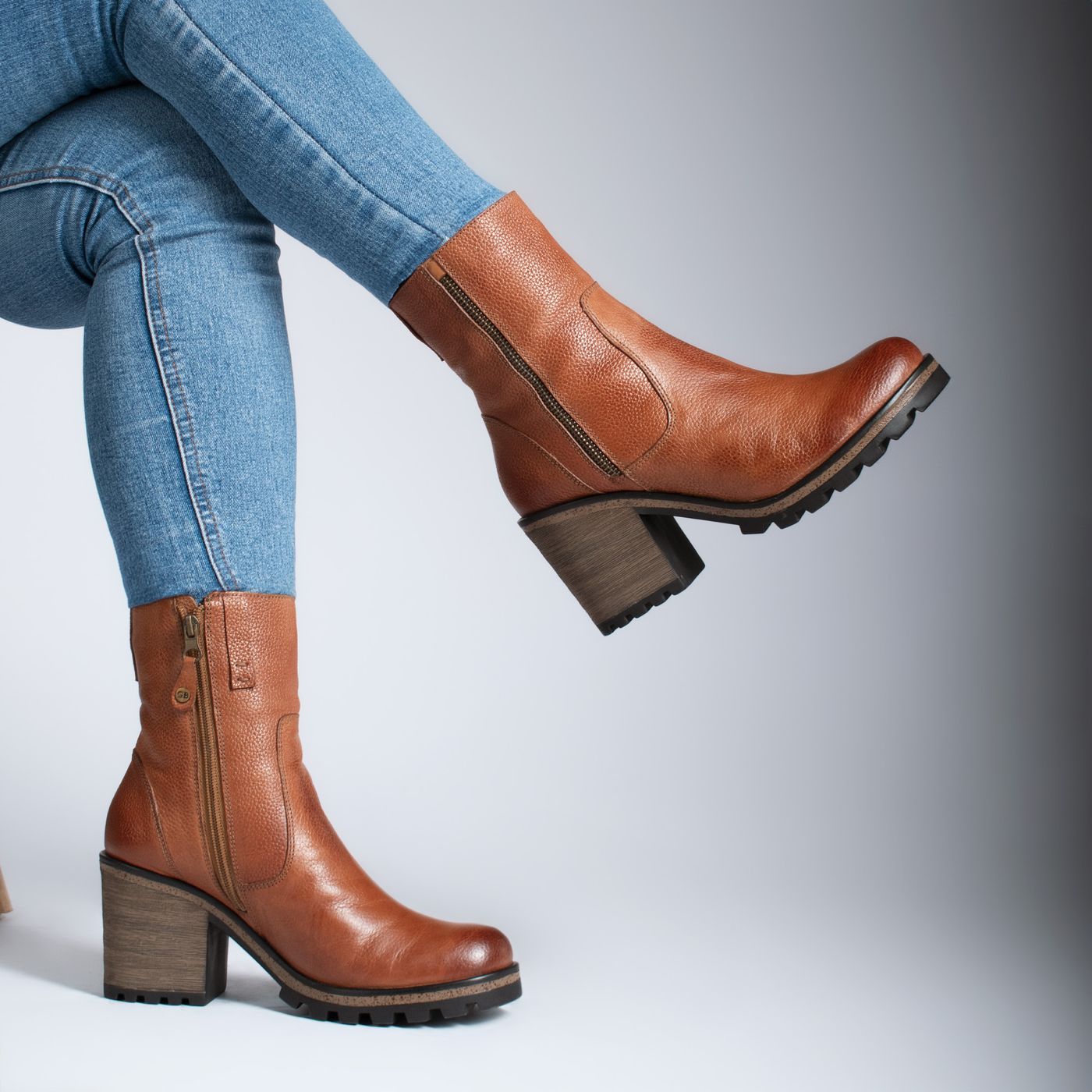
Check whether your shoes are smooth leather, suede, fabric, synthetic or a mixture. Look up the maker’s care instructions before choosing a cleaner. A product intended for one surface may mark or damage another, especially where finishes and coatings are involved.
If you own mostly mixed-material trainers, a traditional polish kit may not be the useful starting point. If you wear polished leather regularly, separate brushes or cloths for different colours can help avoid unwanted transfer.
Give each tool a clear purpose
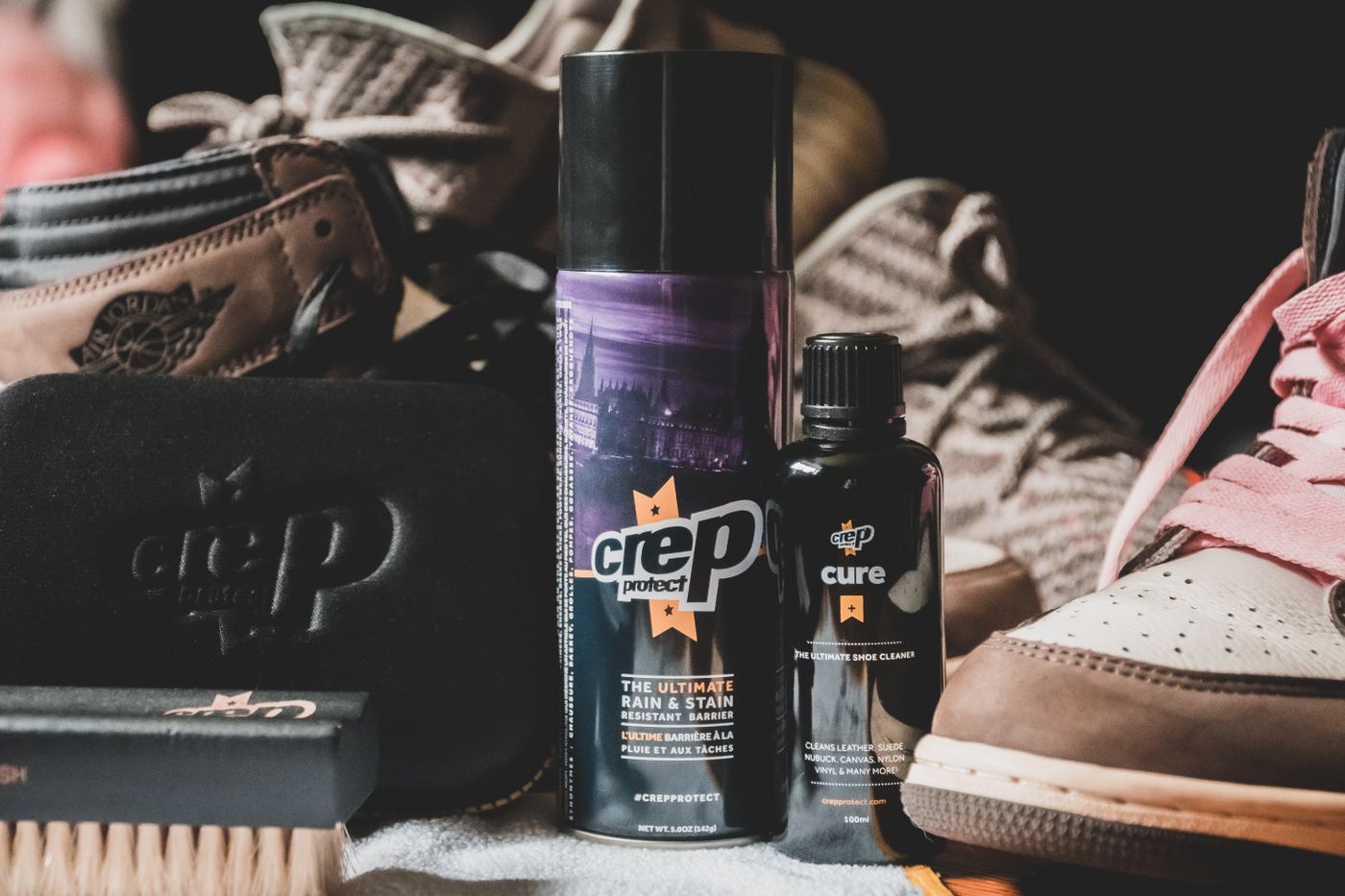
A suitable soft brush can remove loose surface dirt. A clean cloth may help with a permitted wiping method. Any cleaner, conditioner or protective product should be appropriate to the specific material and used according to its instructions. More product is not automatically better.
Test an approved product in an inconspicuous place where the instructions recommend it. Do not combine several unfamiliar treatments in an attempt to fix a stain quickly. For valuable or badly marked shoes, a specialist may be the better next step.
Store the kit ready for use
Keep brushes dry and separate dirty cloths from clean ones. Close product containers properly and store them according to the label, away from children and pets. A small tray or box can contain the kit without making it difficult to find.
After cleaning, allow shoes to dry as directed before wearing or putting them away. Avoid direct heat unless the manufacturer specifically permits it. Keeping the routine simple makes it easier to deal with ordinary dirt before it becomes a bigger job.