Start with the largest item
Measure the laptop or document folder you need to carry, including any protective case. Compare that with the bag’s usable interior and opening. A wide exterior does not guarantee that a stiff folder will pass through the closure.
If a bag has a laptop compartment, check the stated dimensions rather than relying only on a screen-size label. Decide how you will protect the device from the other contents and follow any guidance supplied with the bag or case.
Add the things around it
A charger, water bottle, lunch container and umbrella can turn a light-looking tote into a substantial load. Make a realistic list and remove items that already live at work. Where possible, test the bag with an equivalent weight before committing to it.
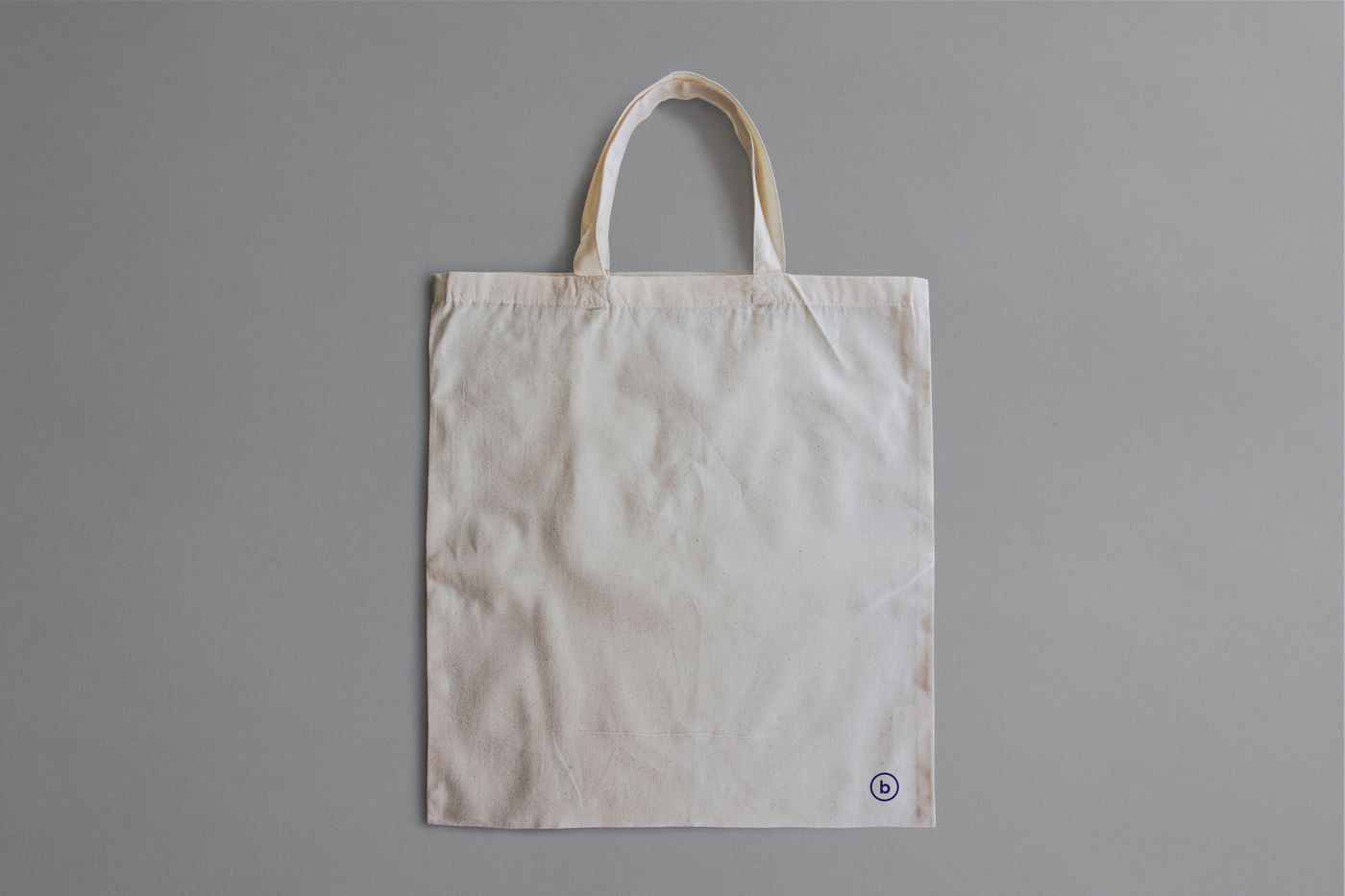
Try the straps over your coat. Short handles may work in the hand but not comfortably on the shoulder. Long handles can make a heavily loaded bag hang awkwardly; neither arrangement is universally better.
Check the small practical details
Look at the base, seams, closure and strap attachments. Consider whether a bottle has a suitable separate space and whether keys can be found without emptying the bag. A lining that falls into the opening may become irritating every time you reach inside.
Finally, think about the commute. If the load is uncomfortable in a tote, another carrying format may suit you better. The aim is not to make one fashionable shape perform every task. It is to choose a bag that you can use comfortably and keep organised through the day.