Make room around the neck
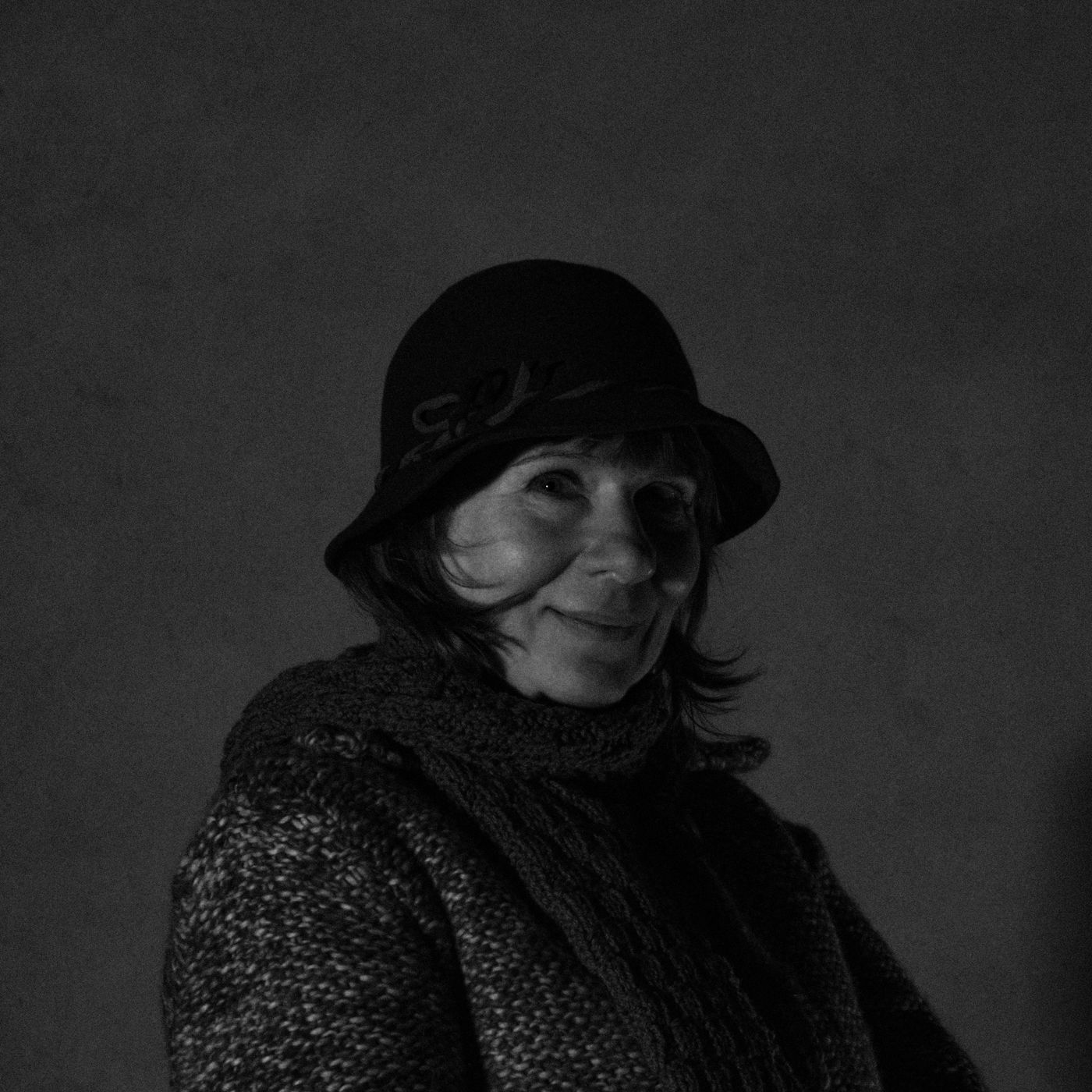
Put on the coat and arrange the scarf loosely. If the collar already sits high, a thick scarf may feel crowded. A finer or shorter scarf can be easier to use than forcing a bulky one into the remaining space.
Check that you can turn your head comfortably and that the fabric does not interfere with a zip or press against your face in a way you dislike. The right amount of wrapping depends on the scarf and the coat, not a universal number of turns.
Decide where the ends belong
Ends tucked inside the coat stay contained. Ends worn outside create another visible line and may show more of the colour or pattern. Keep them away from anything they could catch on, particularly when travelling or using moving equipment.
If the scarf is very long, a simpler wrap may use the length more comfortably than a large knot. If it is short, do not stretch it into an arrangement it cannot hold.
Choose the colour in the complete outfit
Lay the scarf against the actual coat in daylight. A patterned scarf can connect a plain coat with a top underneath, while a single colour gives a quieter result. Add the hat and bag before deciding whether another accessory is useful.
After wearing in damp weather, let the scarf dry appropriately before folding it away. Follow the care instructions for its fibre blend and finish. A scarf that looks like wool may contain other materials, so appearance alone is not enough to choose a washing method.