List the few things that change
Think through the arrival, evening, sleep and next morning. Note anything specific, such as a booked dinner with a dress code or a planned walk. Those details create a short packing list. Without them, it is easy to add a spare outfit for a situation that nobody has planned.
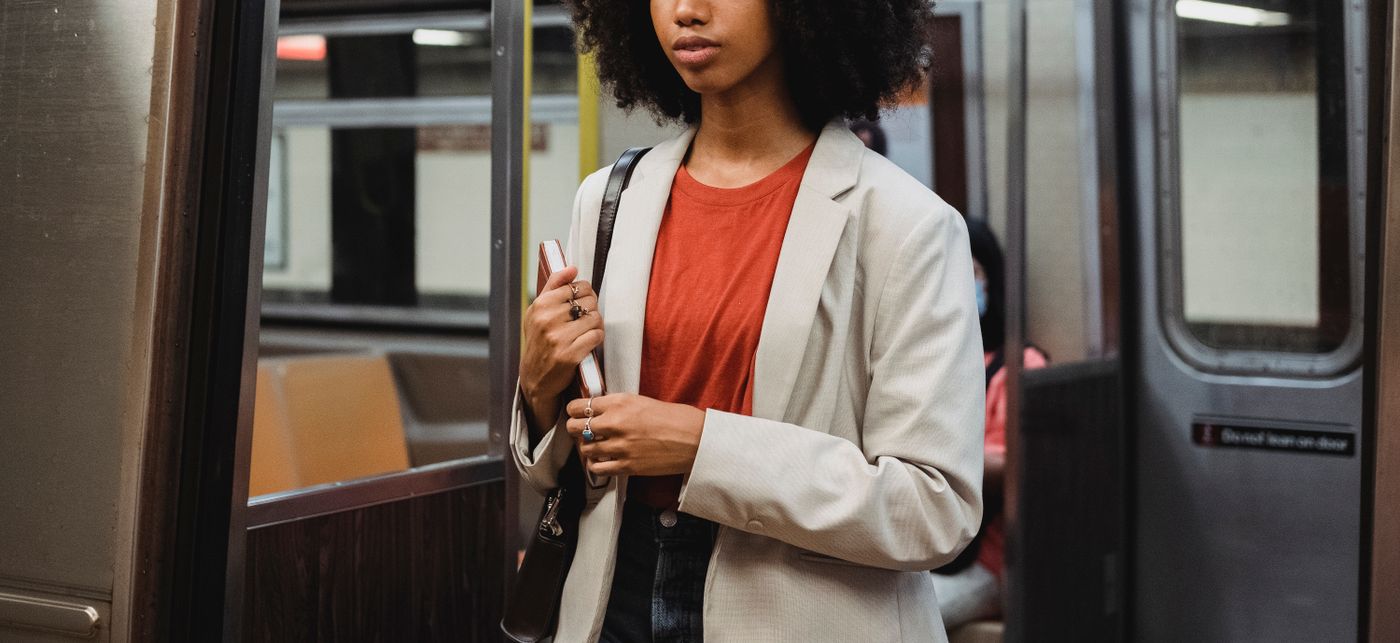
Wear the bulkiest suitable pieces for the journey if that is comfortable. Trousers or jeans, familiar shoes and a useful outer layer may serve again the next day with a fresh top. A dress can be a compact evening option, but only if it works with shoes and layers you are already taking.
Pack the small essentials deliberately
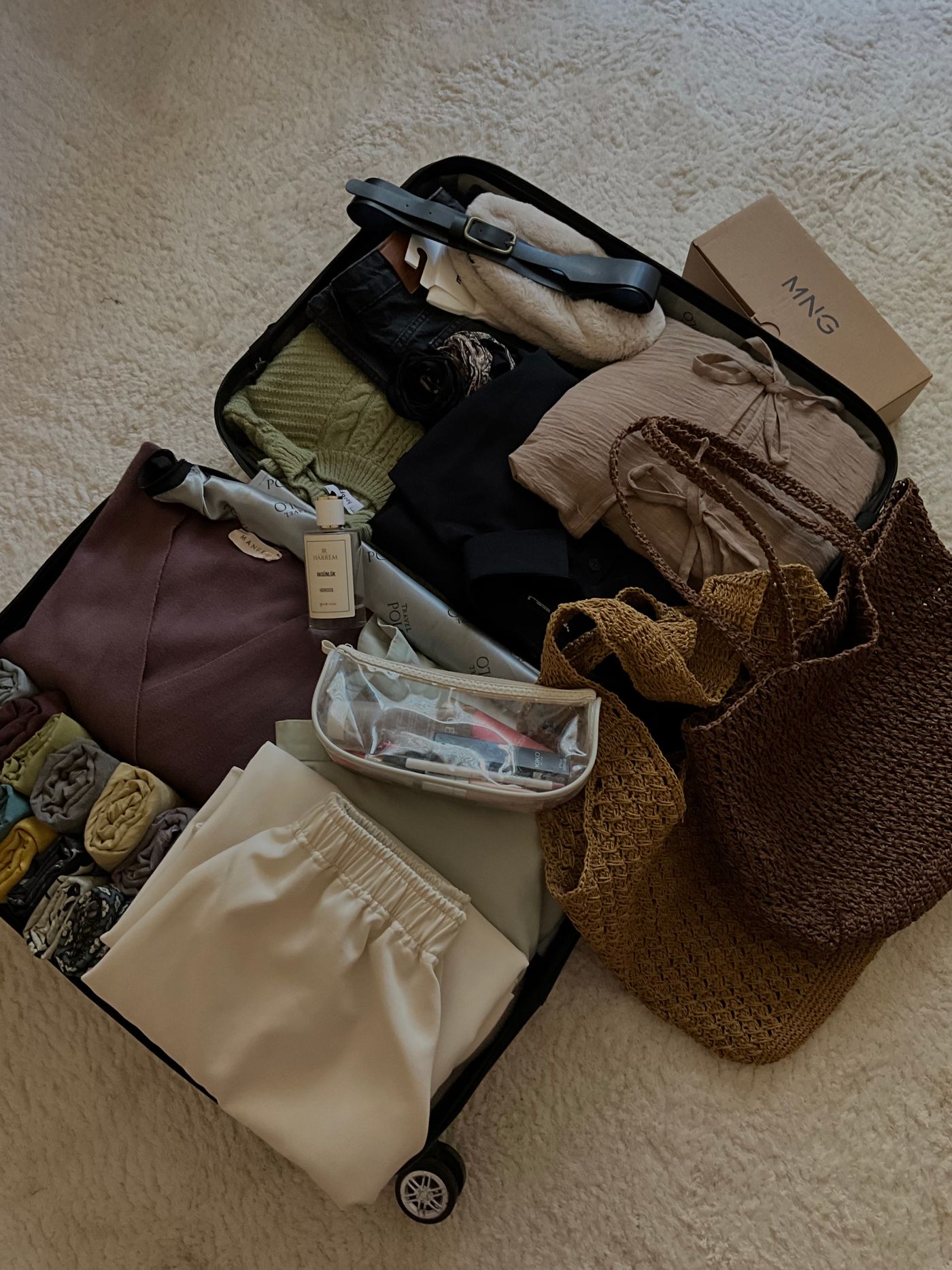
Set out underwear, sleepwear and any personal items before adding optional clothes. These are easier to forget when you concentrate on the visible outfit. Keep small pieces together so you do not have to empty the whole bag to find them. Use separate pouches for items that should not touch clean fabric.
Lay out the next morning's combination and check that it is complete. Do you have the socks that go with those shoes? Does the chosen top work under the travelling jacket? A second outfit is less useful if it depends on something still hanging at home. Keep worn clothing apart from the remaining clean pieces on the return journey.
An extra top might be sensible for your plans, but several alternative trousers can make a small bag unnecessarily heavy. Remove the duplicate that serves no different purpose. Close the bag and carry it around the room once. If it is uncomfortable, reducing a spare pair of shoes may help more than folding everything more tightly. Leave enough space to put things back without needing to recreate an exact packing arrangement.