Watch the cloth move
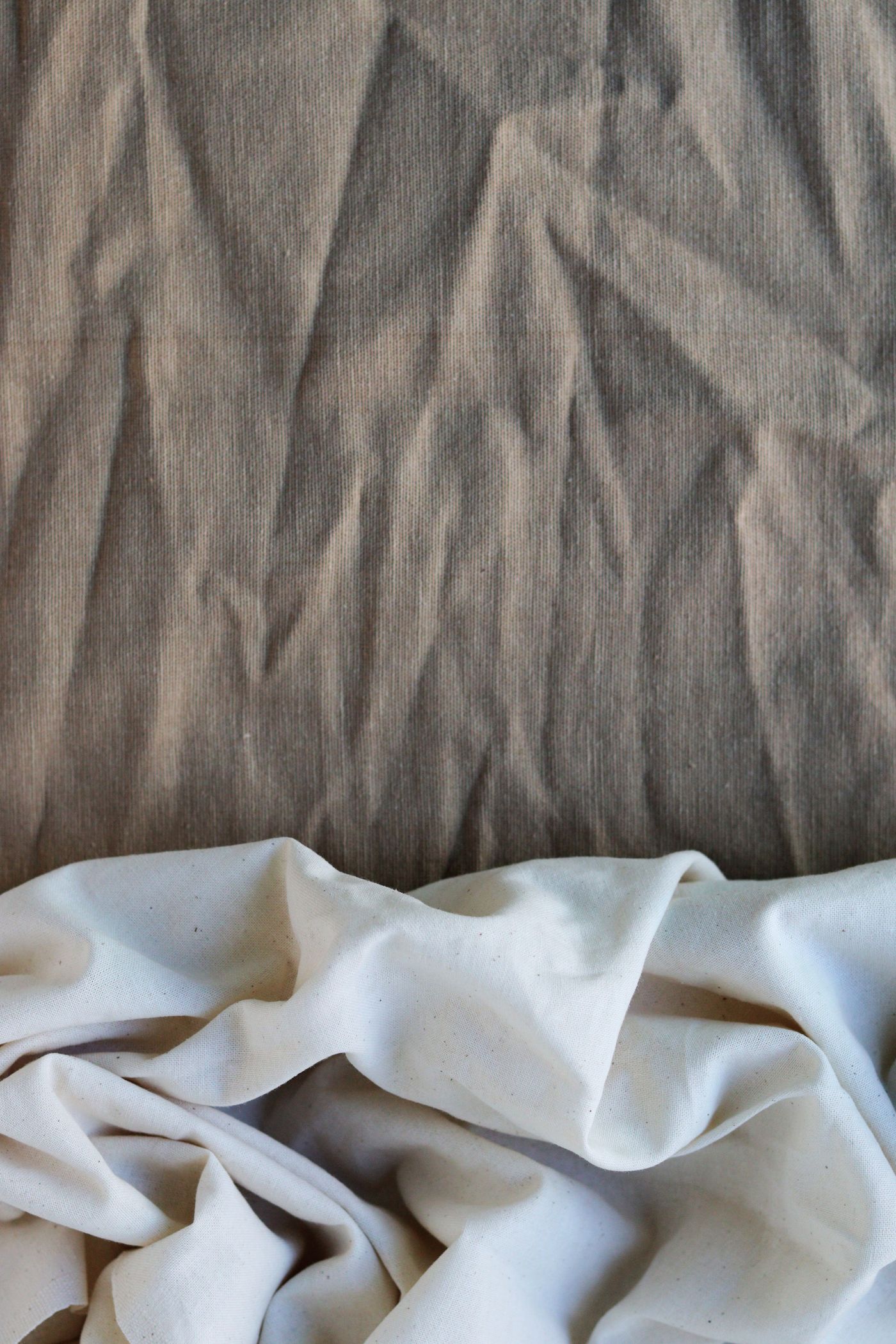
Lift part of the garment gently and let it fall. Does it hold a shape, follow the body softly or collapse into fine folds? Compare a structured cotton shirt with a fluid blouse: their different behaviour may be intentional rather than evidence that one is better made.
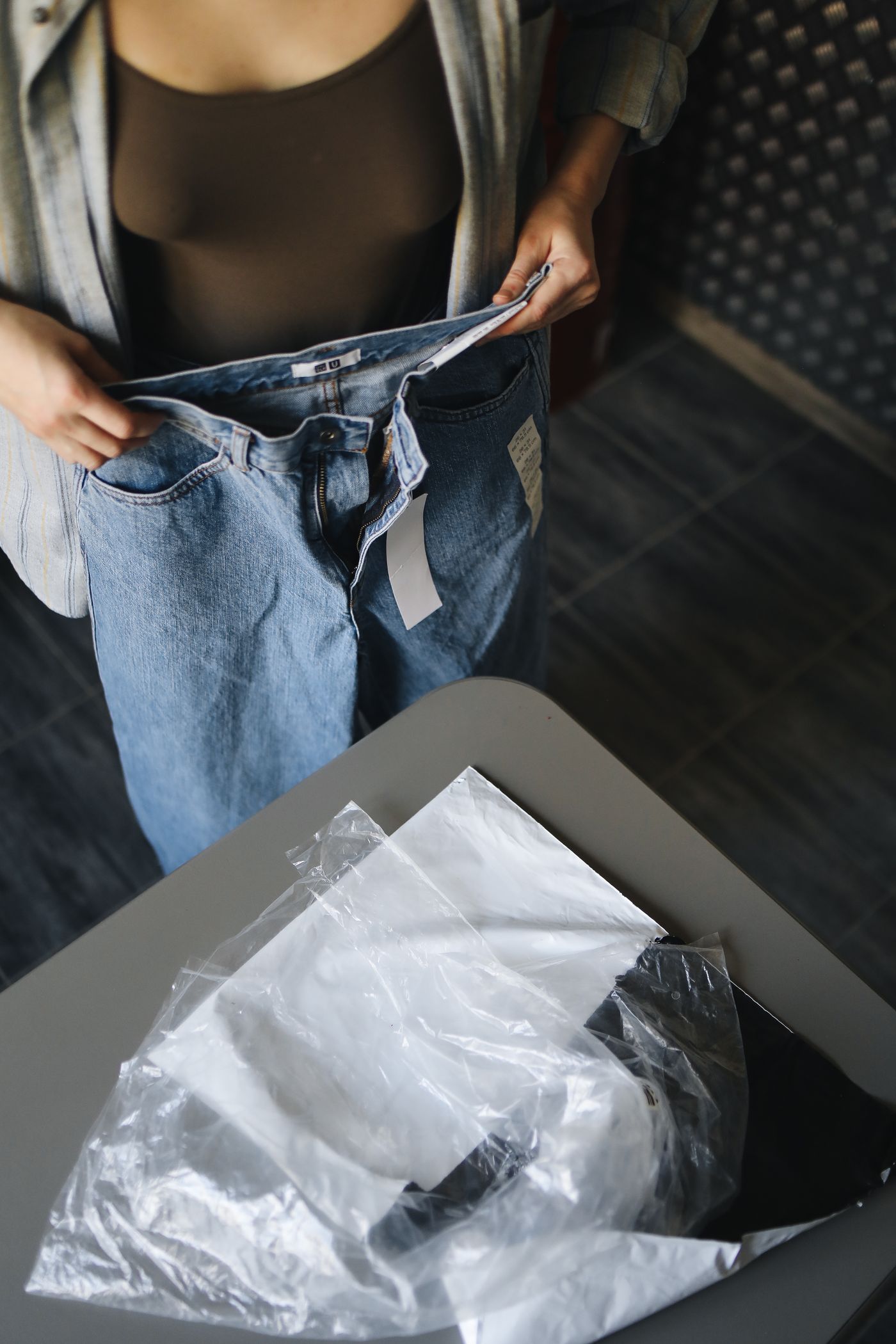
Try the item on before deciding from touch alone. A weighty skirt can hang attractively but feel cumbersome for your day, while a lighter layer may be exactly what you need beneath a jacket. The right choice depends on the outfit and conditions.
Check the practical details
Look at opacity in ordinary light, including areas where the cloth stretches or folds. A heavier fabric is not automatically opaque, and a lightweight fabric is not automatically unsuitable. Lining, colour and construction can change the result.
Notice how seams, pockets and hems behave. Heavy cloth can make a thick waistband or bulky pocket; fine cloth can reveal internal construction. Neither is always a fault, but these details affect comfort and appearance once the garment is worn rather than held on a hanger.
Avoid a one-number quality test
If a seller gives a fabric weight, treat it as useful information about that material, not a complete durability score. Fibre, yarn, weave, finishing and use also matter. Do not assume that the heaviest option will be warmest or last longest in every situation.
Compare the garment with something you already wear successfully for a similar purpose. That provides a practical reference without requiring specialist textile measurements. Choose the piece that moves and layers as you want, with care requirements that suit your routine, rather than paying more simply because it feels substantial in your hand.