Lay the pieces together first
Choose a starting colour from clothes you own, such as blue, brown or grey. Put two or three pieces next to one another in daylight. This is more useful than relying on the colour names in your memory: a warm grey and a cool grey can create a noticeable contrast.
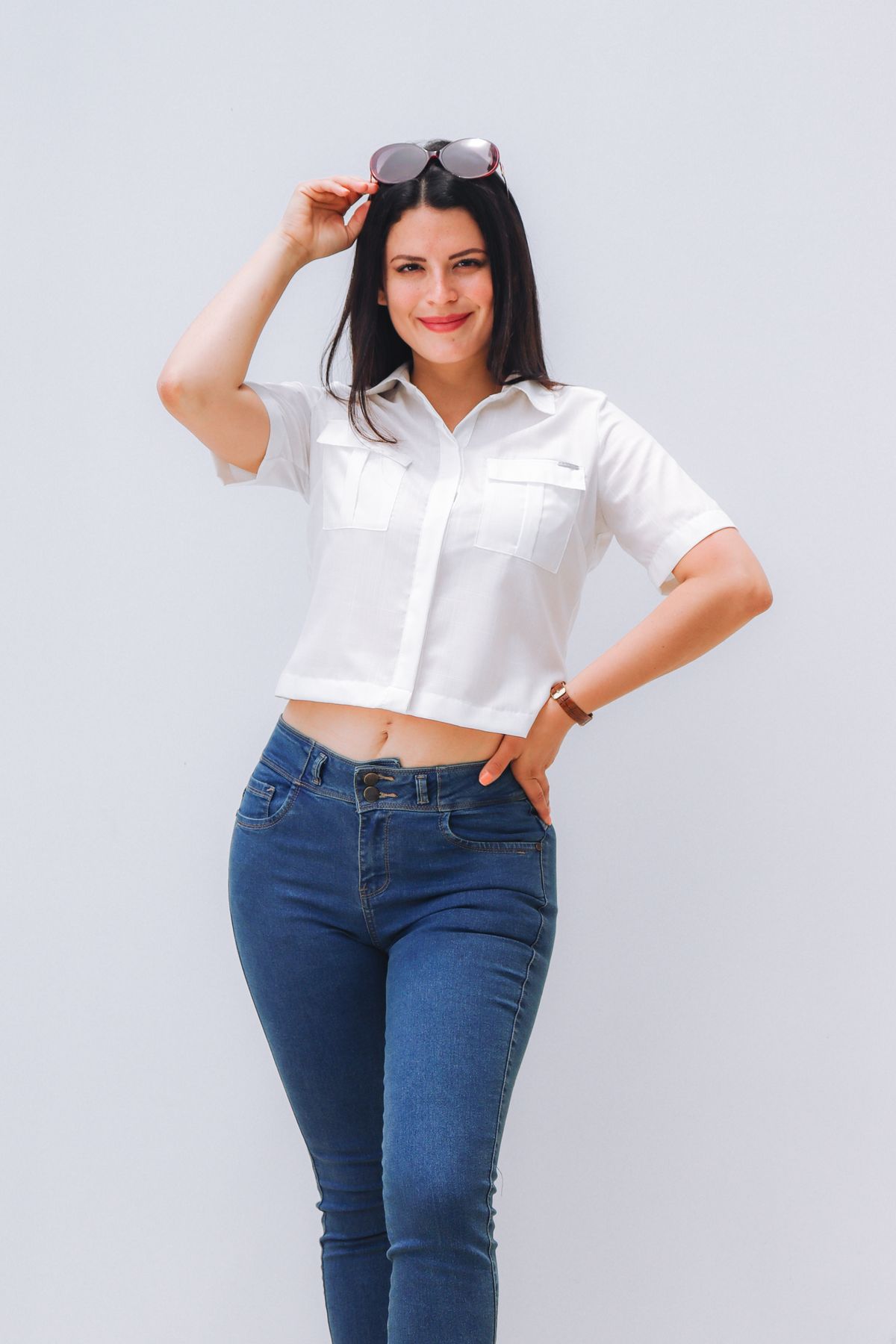
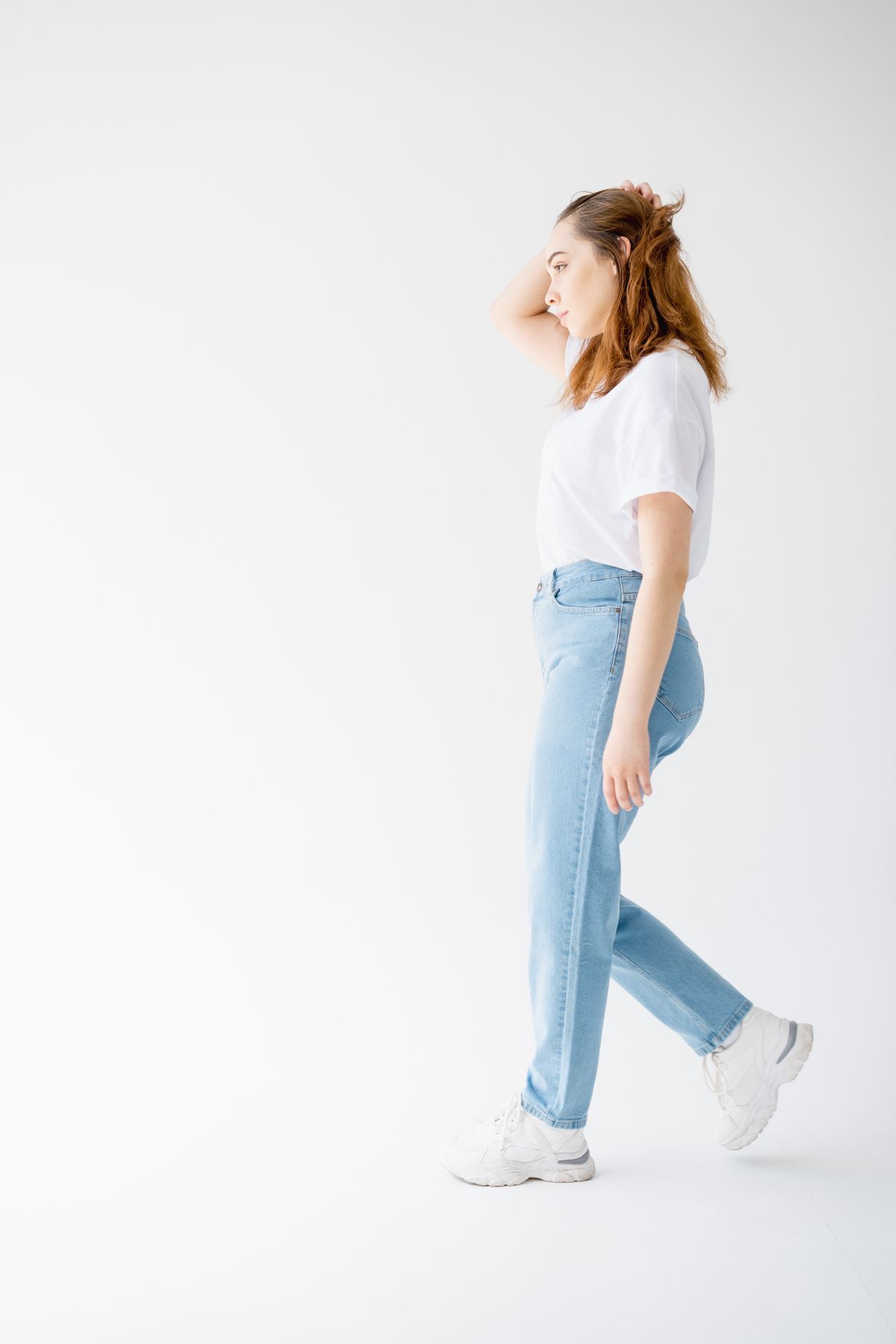
Decide whether you enjoy that contrast. There is no requirement that every undertone match. A visibly lighter top above darker trousers often provides enough separation for the outfit to feel clear.
Use the surfaces you already have
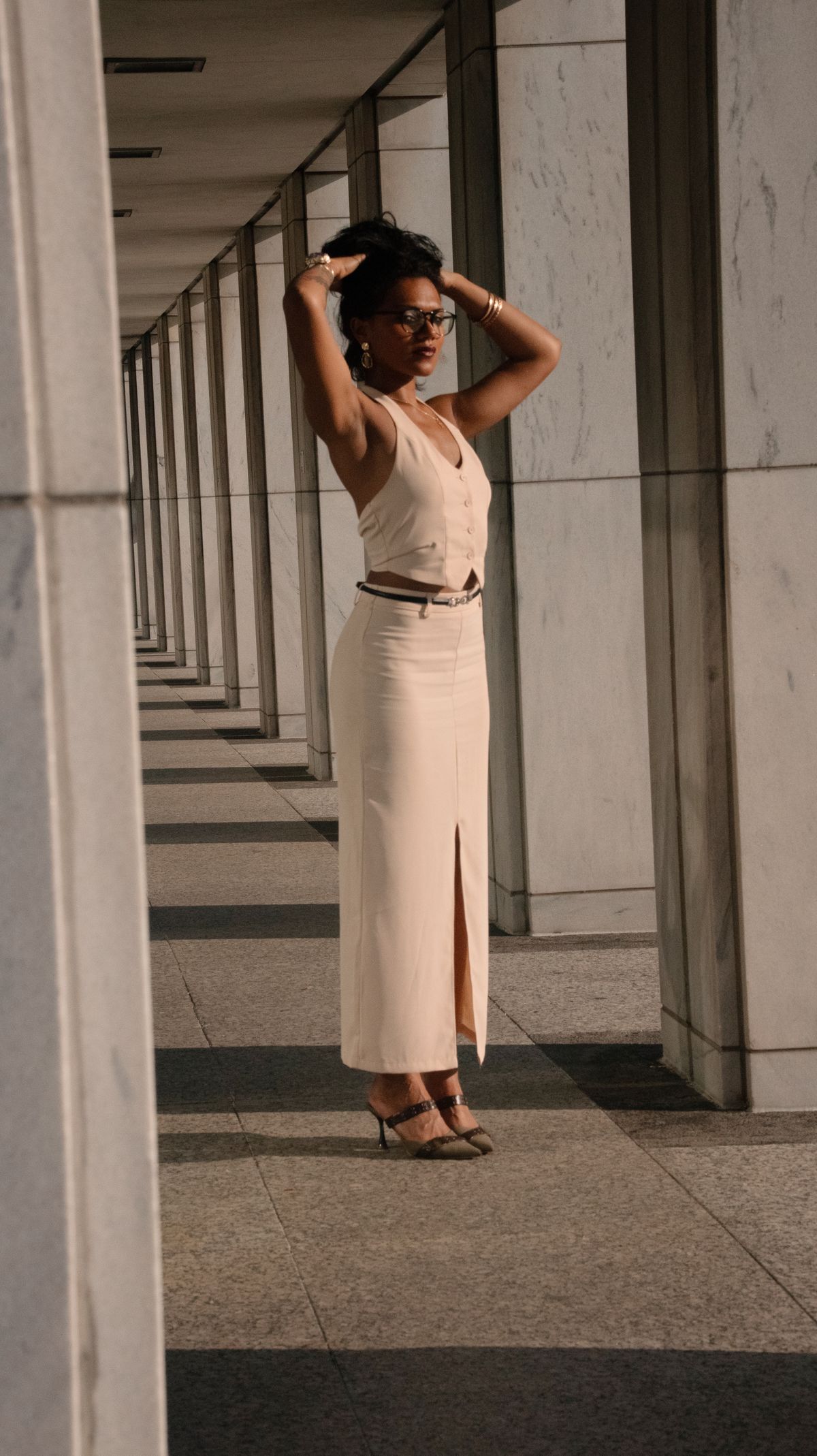
Denim, cotton, knitwear and smooth tailoring reflect light differently. Pairing two of these can stop similar colours from blending into one flat block. You do not need to collect several expensive textures; a cotton shirt and a knitted cardigan can do the job.
If everything is both similar in colour and loose in shape, try changing one hem or opening one layer. A visible shirt front or a shorter jacket can make the proportions easier to understand.
Let the shoes be a practical decision
Your shoes do not have to continue the colour scheme. A familiar neutral may connect comfortably with the outfit while remaining useful for the weather. Do not buy a matching pair solely to complete a combination that already works.
Take one final look with the bag and outer layer included. A coat in a different shade can become part of the tonal arrangement, or simply sit over it. Keep the outfit if you like how it feels through a normal day, not only in a carefully lit photograph.